

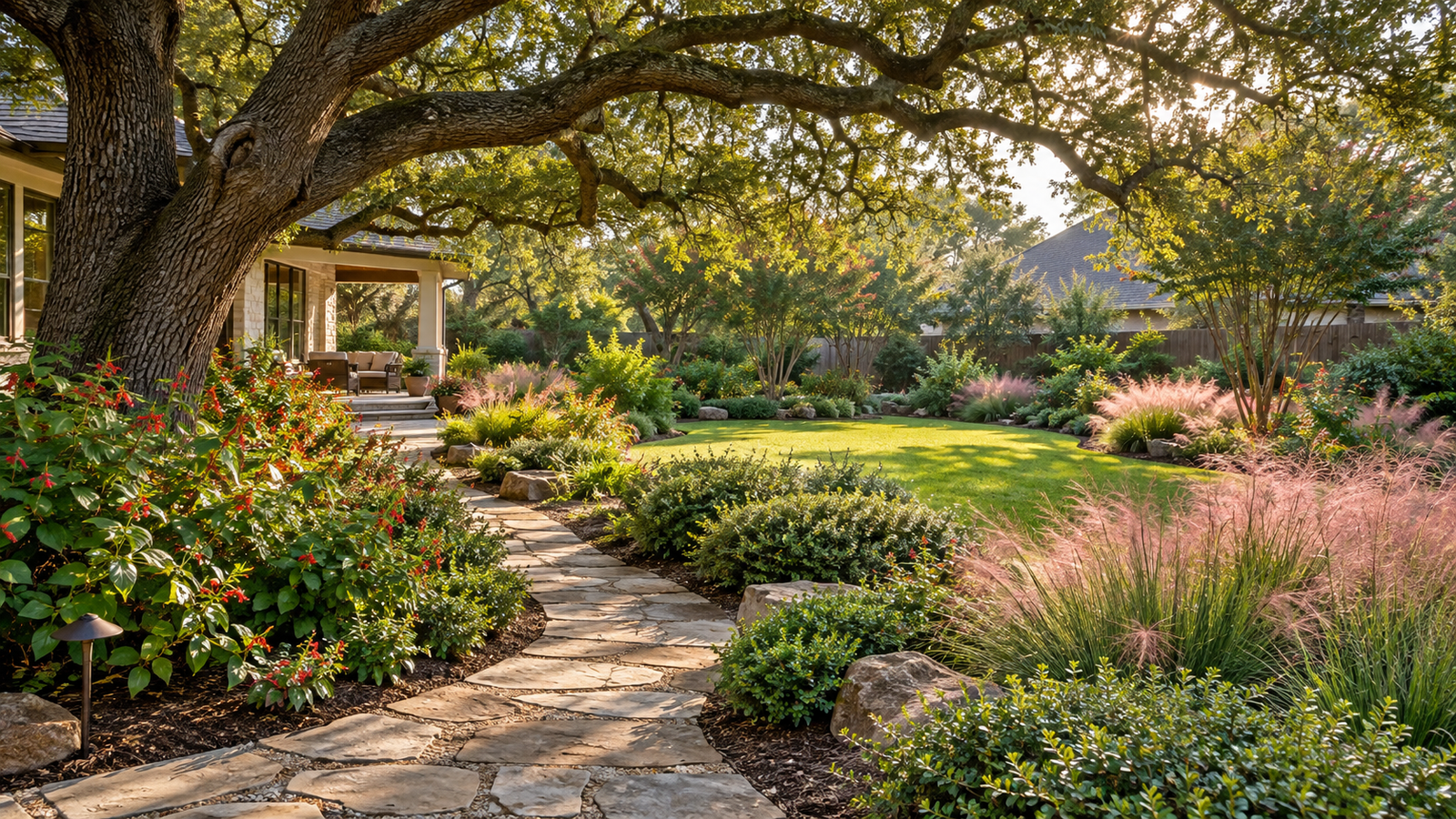
The best Houston backyard plant ideas combine heat-tolerant flowers, dependable evergreen shrubs, shade-friendly natives, and plants matched to local soil. Yaupon holly provides structure, southern wax myrtle creates privacy, Turk’s cap flowers in partial shade, and Gulf muhly adds texture. Success depends on matching each plant to sunlight, drainage, space, and winter exposure.
Houston landscapes face humid summers, intense afternoon sun, occasional drought, heavy downpours, and sudden freezes. A sunny fence line, shaded oak canopy, and low-lying clay bed may require entirely different plants. This guide helps you choose practical combinations rather than buy attractive plants that will struggle later.
What Do Houston Backyard Plants Need?
Houston backyard plants need suitable light, drainage, root space, and consistent care while becoming established. Even species described as drought-tolerant can fail in persistently wet soil or when a newly planted root ball dries out.
Check Sunlight and Drainage
Observe your yard during morning and afternoon. Full-sun beds generally receive six or more hours of direct sunlight; shaded borders may receive filtered light or little direct sun. West-facing walls and pavement intensify heat, while mature trees create shade and compete for moisture.
After substantial rain, note where puddles form and how long the ground stays muddy. Clay soil can support many healthy landscapes, but compaction and prolonged saturation restrict oxygen around roots. Avoid choosing plants solely by their heat rating.
Know Your Hardiness Zone
Much of Houston lies in USDA Hardiness Zones 9a and 9b, but zones vary by location. Check your ZIP code on the USDA Plant Hardiness Zone Map. Zones describe average annual extreme winter minimum temperatures; they do not rule out unusually damaging freezes.
Protected courtyards, exposed corners, and containers experience different temperatures. Select permanent trees and shrubs for the site’s likely cold exposure, then assess summer conditions separately.
What Are the Best Houston Backyard Plant Ideas?
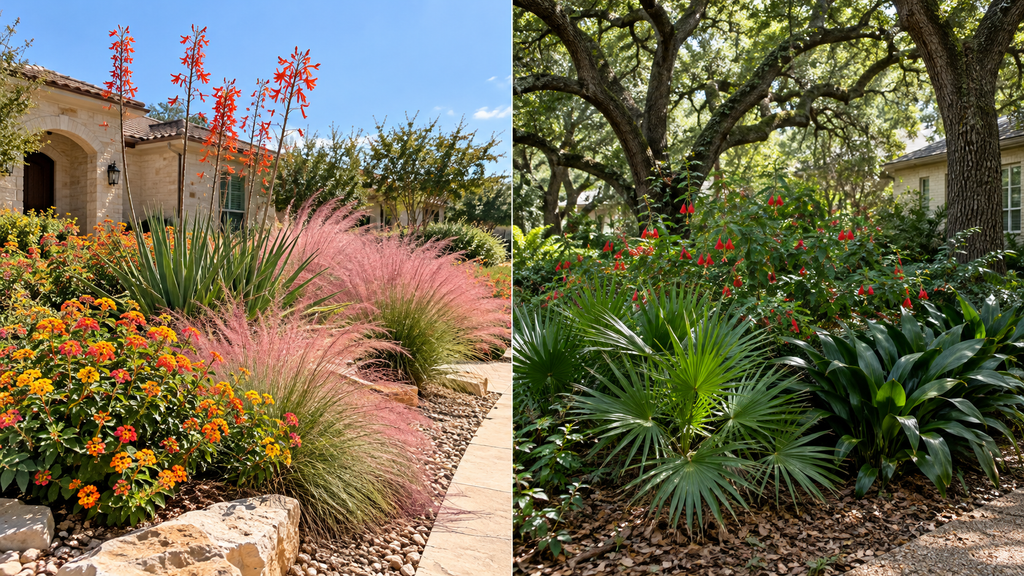
The best choice depends on what your backyard needs most: flowers, privacy, shade, wildlife habitat, or easier maintenance. Use the following matrix as a starting point, then check the exact plant or cultivar before purchasing.
| Backyard condition | Suitable plant | Main purpose |
|---|---|---|
| Sunny, well-drained border | Gulf muhly | Fine texture and fall color |
| Sunny, sharply drained bed | Texas sage | Silver foliage and flowers |
| Partial shade | Turk’s cap | Flowers and hummingbird interest |
| Spacious privacy boundary | Southern wax myrtle | Evergreen screening |
| Small structured bed | Dwarf yaupon holly | Compact greenery |
| Seasonally wet depression | Buttonbush | Moisture-tolerant flowering |
| Sunny pollinator bed | Texas lantana | Nectar-rich color |
| Moist, shaded border | Dwarf palmetto | Bold foliage |
Choose by Function, Not Appearance
Measure planting areas before visiting a nursery. A privacy plant needs room for mature width; a flowering accent needs enough sun; a rain-garden plant must tolerate wet periods. Group plants with similar water needs and preserve space around paths, fences, and foundations.
Botanical names matter. Different species sold under a shared common name may vary in hardiness, toxicity, or invasive potential. Favor locally suitable species over a one-size-fits-all plant list.
Which Plants Handle Houston Heat?
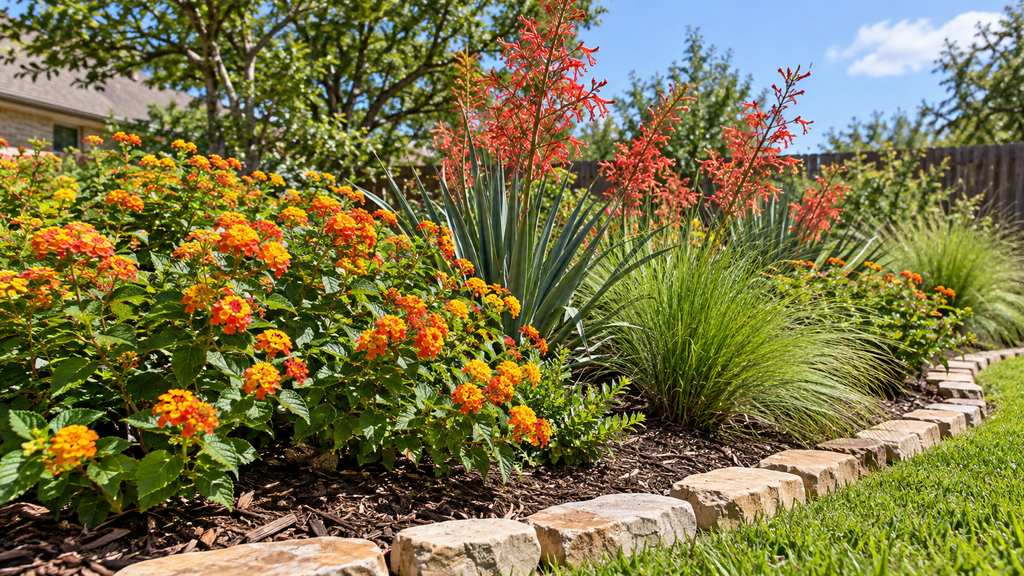
Texas lantana, esperanza, Gulf muhly, red yucca, and Texas sage can handle demanding sunny locations. Their water and drainage needs differ, so a plant thriving in a raised bed may fail in the wet clay directly beside it.
Texas Lantana
Texas lantana (Lantana urticoides) offers clusters of warm-colored flowers visited by butterflies. Use it in well-drained, sunny borders or pollinator beds. Confirm the species: some non-native forms of Lantana camara can spread invasively, and lantana presents pet-toxicity concerns.
Esperanza
Esperanza (Tecoma stans) carries showy yellow trumpet flowers and suits sunny patios or tropical-style beds. It tolerates summer heat but may die back in freezes. Place it where seasonal loss of foliage will not compromise year-round screening.
Gulf Muhly
Gulf muhly (Muhlenbergia capillaris) supplies fine foliage and airy pinkish plumes, especially attractive when backlit. Plant in well-drained soil with enough room for a mature clump. It pairs well with sturdier evergreen shrubs.
Red Yucca and Texas Sage
Red yucca (Hesperaloe parviflora) adds arching leaves and hummingbird-friendly flower stalks. Texas sage (Leucophyllum frutescens) offers silvery foliage and purple blooms. Both prefer excellent drainage; Texas sage is especially vulnerable to persistently wet conditions. Use raised or naturally draining sites instead of soggy beds.
Which Native Plants Grow in Houston?
Native plants can contribute habitat, local character, and resilient landscape structure. However, “native to Texas” does not always mean adapted to Houston’s rainfall and heavy soil. Choose species that naturally fit the specific site.
Native Versus Climate-Adapted
Houston-area natives occur naturally in regional ecosystems. Climate-adapted non-natives, such as cast iron plant, may also perform well in gardens but do not provide identical ecological benefits. Prioritize locally native choices when supporting wildlife is a goal, while checking drainage and growth habit for every species.
Yaupon Holly
Yaupon holly (Ilex vomitoria) provides evergreen leaves and comes in tree, upright shrub, and dwarf forms. It is useful for structure, screening, and wildlife-friendly planting. Check cultivar size carefully: a dwarf selection serves a different purpose from a full-size specimen.
Turk’s Cap
Turk’s cap (Malvaviscus arboreus var. drummondii) produces red flowers in partial shade and attracts hummingbirds. It suits informal borders and open tree canopies. Allow for spreading growth, and expect some cold-season dieback in exposed locations.
What Grows in Houston Clay Soil?
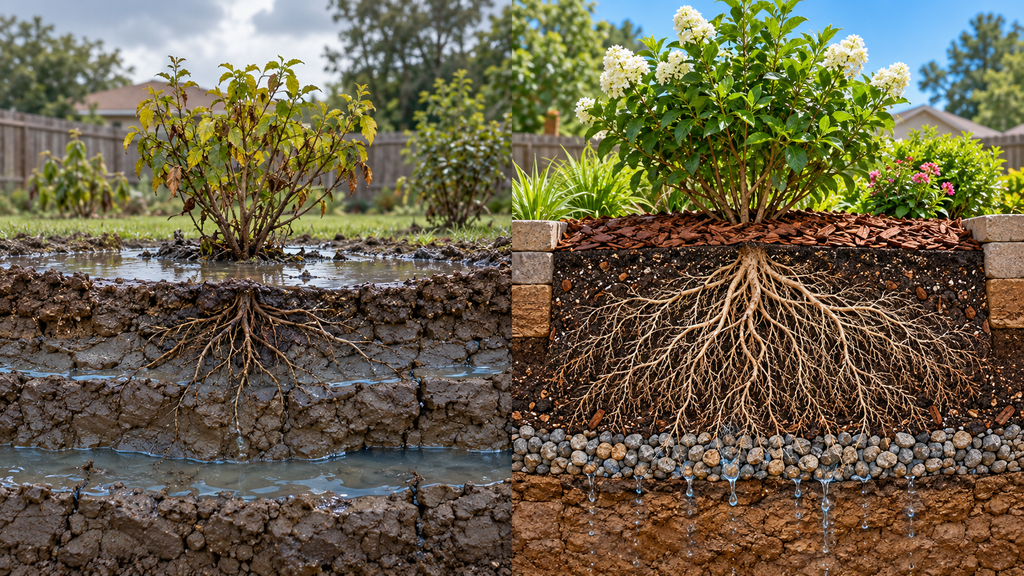
Yaupon holly, southern wax myrtle, and Turk’s cap are reasonable starting choices for many clay-rich yards when drainage is adequate. The critical distinction is between clay that drains after storms and ground that stays saturated around roots.
Prepare Clay Without Overcorrecting
Avoid digging a small hole of loose potting mix inside dense clay; water may collect in the surrounding soil. Improve an entire planting bed where practical, use appropriate organic mulch, and avoid working clay while it is soaking wet. Raised beds can help plants that demand sharper drainage, provided runoff has an appropriate outlet.
Plants for Wet Spots
Buttonbush (Cephalanthus occidentalis) tolerates seasonally wet conditions and offers rounded flowers useful to pollinators. Dwarf palmetto (Sabal minor) can suit moist, partly shaded areas. Virginia sweetspire and swamp sunflower are additional options when their light and soil requirements match the location.
Do not mistake a rain garden for a permanent pond. Designed rain gardens temporarily hold runoff and generally should drain within about 24–48 hours. If water repeatedly pools against a foundation or remains for long periods, address drainage and grading before planting.
Which Houston Trees Provide Shade?
Trees shape a backyard for decades, so mature size matters more than the dimensions of a nursery specimen. Consider overhead lines, root space, distance from buildings, and the area where shade will eventually fall.
Live Oak
Southern live oak (Quercus virginiana) develops a wide canopy suited to larger properties. It offers substantial shade and wildlife value but needs generous room above and below ground. It is rarely the best choice for a cramped planting strip.
Southern Magnolia
Southern magnolia (Magnolia grandiflora) combines evergreen leaves with fragrant white flowers. Large forms need space, while some cultivars have more compact habits. Verify mature dimensions rather than assuming every magnolia suits a small lot.
Cedar Elm
Cedar elm (Ulmus crassifolia) is a deciduous Texas native with useful shade and seasonal interest. It can be a practical choice for appropriately sized yards, provided planting distance and access to water during establishment are considered.
Which Plants Offer Backyard Privacy?
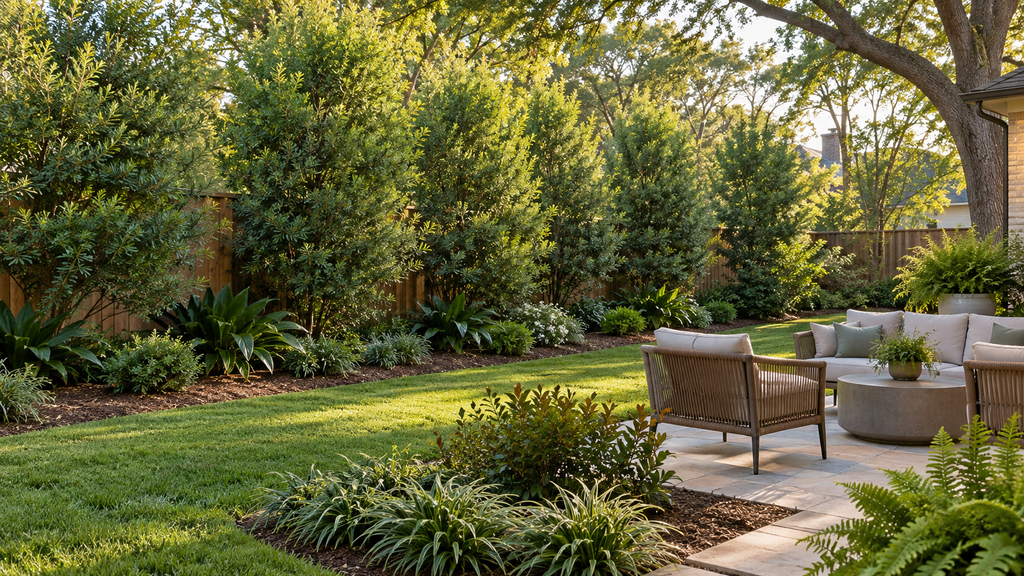
Evergreen screens soften fences, reduce sight lines, and create defined outdoor rooms. The best privacy plant is not necessarily the fastest-growing one; it is the one whose eventual width and care requirements fit the space.
Southern Wax Myrtle
Southern wax myrtle (Morella cerifera) provides leafy, informal screening and wildlife benefits. It may grow into a substantial shrub or small tree, making it most useful along boundaries with adequate depth.
Podocarpus and Sweet Viburnum
Suitable podocarpus (Podocarpus macrophyllus) cultivars produce a tidy formal hedge when maintained. Sweet viburnum (Viburnum odoratissimum) creates dense foliage but can become large. Neither should be planted without checking cultivar dimensions and pruning access.
Space Shrubs for Mature Growth
Measure the bed width and the mature spread listed for your selected cultivar. Allow clearance from fences, walkways, and walls. Close spacing may fill gaps quickly, but crowding can mean constant pruning later. For narrow yards, choose naturally upright or compact forms instead of forcing a large shrub into a small space.
Which Plants Grow in Houston Shade?
Shaded Houston beds can support foliage, flowers, and texture when plants receive appropriate moisture. Beneath mature trees, root competition may matter as much as limited sunlight.
Cast Iron Plant and Ferns
Cast iron plant (Aspidistra elatior) tolerates deep shade and adds broad, durable leaves. Autumn fern (Dryopteris erythrosora) offers softer texture where soil stays suitably moist but drains. Neither belongs in harsh afternoon sun.
Japanese Aralia and Dwarf Palmetto
Japanese aralia (Fatsia japonica) creates a bold tropical look in protected shade. Native dwarf palmetto provides fan-shaped foliage and tolerates suitable moist sites. Allow space for mature leaves and protect sensitive specimens from exceptional cold.
Under Mature Oak Trees
Consider Turk’s cap, inland sea oats, or suitable native sedges toward the outer canopy where roots permit small planting holes. Avoid cutting major roots or piling soil around the trunk. Sometimes a mulched area is healthier and more attractive than struggling turf or densely planted groundcover.
Which Flowers Thrive in Houston?
Flowering plants add seasonal color but should not all be treated as permanent evergreens. Combine reliable structural shrubs with flowers that suit the site’s sun and cold exposure.
Hibiscus and Firebush
Tropical hibiscus (Hibiscus rosa-sinensis) produces large blooms near sunny patios but may need winter protection. Firebush (Hamelia patens) offers orange-red flowers attractive to hummingbirds and can die back in freezing weather.
Pentas and Blue Plumbago
Pentas (Pentas lanceolata) form clustered butterfly-friendly flowers in warm weather. Blue plumbago (Plumbago auriculata) brings soft blue blooms and an informal habit. Provide appropriate moisture and expect potential cold damage to tender growth.
Support Pollinators Across Seasons
Mix flowering periods rather than relying on one summer bloomer. Texas lantana, Turk’s cap, scarlet sage, and suitable local natives can provide varied resources when planted in their preferred conditions. Add appropriate butterfly host plants, avoid unnecessary insecticides on flowers, and leave some habitat undisturbed.
Which Edible Plants Grow in Houston?
Edible planting works best when crops are selected for their seasonal needs rather than placed wherever space remains. Containers and raised beds are useful when native soil is poorly drained or lacks the acidity a crop requires.
Herbs and Rosemary
Basil enjoys warmth with consistent moisture; oregano generally prefers good drainage. Rosemary (Salvia rosmarinus) offers fragrant evergreen leaves but can struggle in Houston’s saturated clay. Grow it in a sunny, freely draining container or raised bed when soil is unsuitable.
Figs and Citrus
Fig trees (Ficus carica) provide fruit and attractive foliage in sunny locations with adequate room. Suitable citrus, including selected satsuma mandarins, can also grow in Houston, but freezes remain a concern. Match cultivars to local conditions and protect vulnerable young trees.
Blueberries Need Acidic Media
Blueberries need acidic root conditions, usually around pH 4.0–5.5, along with consistent moisture and drainage. Rabbiteye cultivars are worth investigating, but chilling and pollination requirements vary. Containers or specially prepared beds are often easier than trying to transform unsuitable garden soil.
How Do You Plant a Small Houston Backyard?
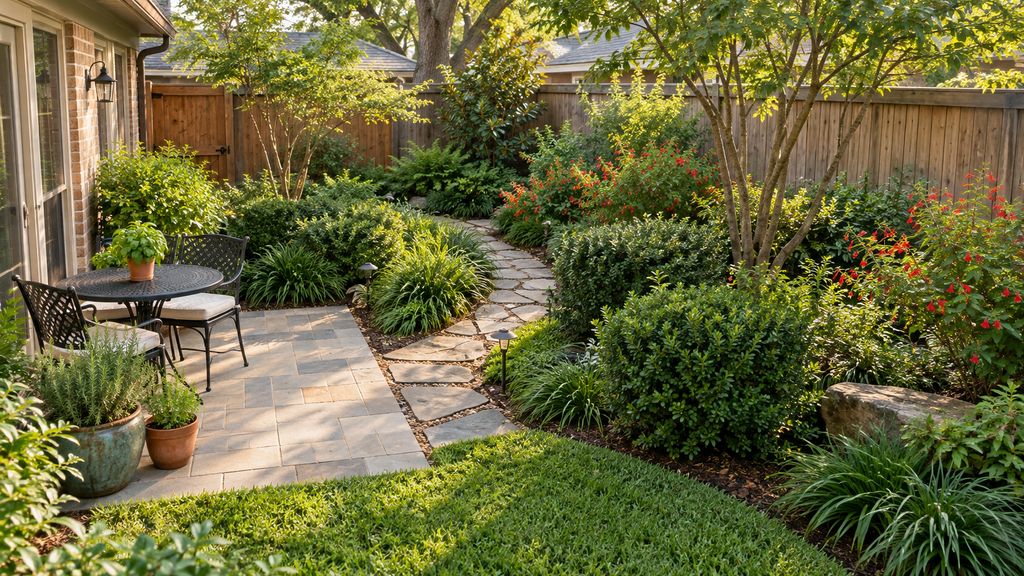
Small backyards look more intentional when each plant serves a purpose. Begin with one compact evergreen for structure, then add a few compatible flowering or textural plants rather than crowding the entire perimeter.
Build a Simple Layered Bed
Place taller plants behind lower ones without blocking windows, gates, or pathways. A partly shaded bed might pair dwarf yaupon holly with Turk’s cap and suitable sedges. A sunny, well-drained border could combine Gulf muhly with a modest selection of native flowers.
Use containers for herbs and plants needing specialized growing media. Repeat a limited palette across the yard for visual continuity. Check mature dimensions before placing planters beside seating or doors.
How Do You Create a Low-Maintenance Backyard?
Low maintenance starts with compatible plants, practical spacing, and fewer competing care routines. Dwarf yaupon holly, Turk’s cap, and Gulf muhly are useful choices in matching sites, but even resilient plants require attention when newly installed.
Layer Structure, Color, and Texture
Use evergreen shrubs for year-round form, a suitable tree where space permits, flowering perennials for seasonal interest, and grasses or sedges for softer edges. Keep plants with similar moisture needs together. Mulch exposed soil, make irrigation accessible, and leave room to prune or inspect plants. A simpler landscape with healthy mature growth usually requires less intervention than an overcrowded collection of nursery favorites.
When Should You Plant in Houston?
Fall through early spring is generally favorable for establishing many hardy Houston trees and shrubs. Cooler conditions reduce heat stress and give roots time to develop before summer. Tender flowers and tropical ornamentals are better installed after significant freeze risk has passed.
| Season | Practical priority |
|---|---|
| Fall | Plant suitable trees, shrubs, and hardy perennials |
| Winter | Establish cold-hardy plants; watch freeze forecasts |
| Spring | Plant warm-season flowers when frost risk declines |
| Summer | Monitor moisture and limit unnecessary new planting |
These periods are guidelines, not guarantees. Avoid planting during extreme heat or into saturated soil. Plan irrigation before installing plants, especially if summer weather is approaching.
How Do You Protect Plants From Houston Freezes?
Freeze protection matters most for tropical ornamentals, citrus, containers, and newly planted specimens. Watch forecasts rather than relying on an average hardiness-zone label. Move portable plants into suitable shelter.
Cover vulnerable in-ground plants with breathable frost cloth secured against wind, and keep mulch around roots without piling it against stems. Water dry soil appropriately before cold weather, but never deliberately waterlog a planting bed. Remove or ventilate covers as temperatures rise.
Wait for signs of renewed growth before severely pruning freeze-damaged plants. Esperanza, firebush, and tender hibiscus may lose top growth while some established plants recover from their roots.
How Do You Care for New Houston Plants?
Plant establishment requires attention to root-zone moisture, drainage, and weather. A newly installed drought-tolerant shrub cannot immediately perform like one with a mature root system.
Water Based on Soil Moisture
Water the original root ball thoroughly at planting, then check it regularly. Hot, windy periods may demand closer monitoring; significant rainfall can reduce the need for irrigation. Avoid both complete drying and continuously saturated roots. Container plants often need separate checks.
Mulch and Prune Carefully
A roughly 2–3-inch layer of organic mulch helps moderate soil temperature and conserve moisture. Keep mulch clear of stems and the root flare. Remove broken growth when appropriate, but avoid excessive shaping during establishment.
Watch for Stress
Persistent wilting, yellowing, and declining shoots may signal water problems, transplant stress, pests, or disease. Check soil and planting conditions before adding fertilizer. Feeding cannot correct unsuitable light or drainage. Larger trees may need a longer establishment period than small perennials.
Which Plants Should You Avoid in Houston?
Avoid invasive plants, hazardous species in accessible areas, and ornamentals whose requirements conflict with the planting site. Some choices are unsuitable everywhere in a particular household; others simply need better placement.
| Plant or group | Main concern | Better decision |
|---|---|---|
| Some non-native Lantana camara | Invasive potential and pet toxicity | Verify species and alternatives |
| Texas sage in wet clay | Root stress | Choose a sharply drained bed |
| Rosemary in saturated ground | Poor root health | Use a draining container |
| Sago palm or oleander | Serious poisoning risk | Avoid accessible pet and child areas |
| Oversized screening shrubs | Crowding | Select suitable cultivars |
| Tender tropicals | Freeze injury | Plan protection or seasonal replacement |
Check botanical names and toxicity before buying. If a pet may have eaten a poisonous plant, contact a veterinarian promptly. Good plant selection protects both the landscape and its users.
How Were These Plants Selected?
Recommendations reflect Houston’s seasonal climate, soil and drainage conditions, sun exposure, mature plant size, wildlife value, and maintenance demands. The guide distinguishes regionally native plants from adapted non-natives and flags species requiring special conditions. For site-specific verification, consult Texas A&M AgriLife Extension, the Native Plant Society of Texas, the USDA hardiness map, Texas Invasives, and the ASPCA plant-toxicity database.
Actual performance varies by cultivar, microclimate, installation quality, and care. Seek local professional advice for serious drainage problems or large-tree placement.
What Are Common Houston Backyard Plant Questions?
What Are the Best Plants for a Houston Backyard?
Yaupon holly, wax myrtle, Turk’s cap, Gulf muhly, and Texas lantana suit different Houston landscaping needs. Choose according to sun, drainage, mature size, and purpose.
What Are the Easiest Low-Maintenance Plants?
Dwarf yaupon holly, Turk’s cap, and Gulf muhly can require relatively little care after establishment. All newly planted specimens still need moisture monitoring.
What Plants Survive Houston Summer Heat?
Texas lantana, esperanza, red yucca, and Gulf muhly tolerate hot sunny settings. Check drainage and winter hardiness before choosing.
What Plants Grow in Houston Clay Soil?
Yaupon holly, southern wax myrtle, and Turk’s cap can suit clay soil that drains adequately. Persistent saturation requires a different approach.
Which Plants Tolerate Standing Water?
Buttonbush handles seasonal wetness, while dwarf palmetto can suit some moist shaded locations. Long-lasting flooding may require drainage improvements.
What Grows in Shaded Houston Yards?
Turk’s cap, cast iron plant, dwarf palmetto, and suitable sedges grow in shade. Under trees, account for competing roots and moisture.
Which Plants Give Year-Round Privacy?
Southern wax myrtle, yaupon holly, and suitable podocarpus cultivars provide evergreen screening. Match mature width to the available boundary.
When Is the Best Time to Plant Shrubs?
Fall through early spring is generally best for many hardy Houston shrubs. Plant tender ornamentals after serious frost risk passes.
Which Plants Can Survive Houston Freezes?
Yaupon holly and suitable native shade trees are generally hardier than tropical ornamentals. Severe freezes can still damage exposed plants.
Which Plants Should Pet Owners Avoid?
Avoid accessible sago palm and oleander, both highly toxic. Lantana camara also poses a pet-toxicity risk; verify plant identities.
How Do You Plan a Houston Backyard?
Start with a simple site map showing sun, shade, wet spots, paths, and desired privacy. Select trees and structural shrubs first, then add flowers, grasses, and edible containers suited to each area. Leave space for mature growth and future maintenance.
The most successful Houston backyard plant ideas are not the longest plant lists. They are combinations that fit local conditions, support the way you use your outdoor space, and remain manageable through heat, heavy rainfall, and occasional freezes.

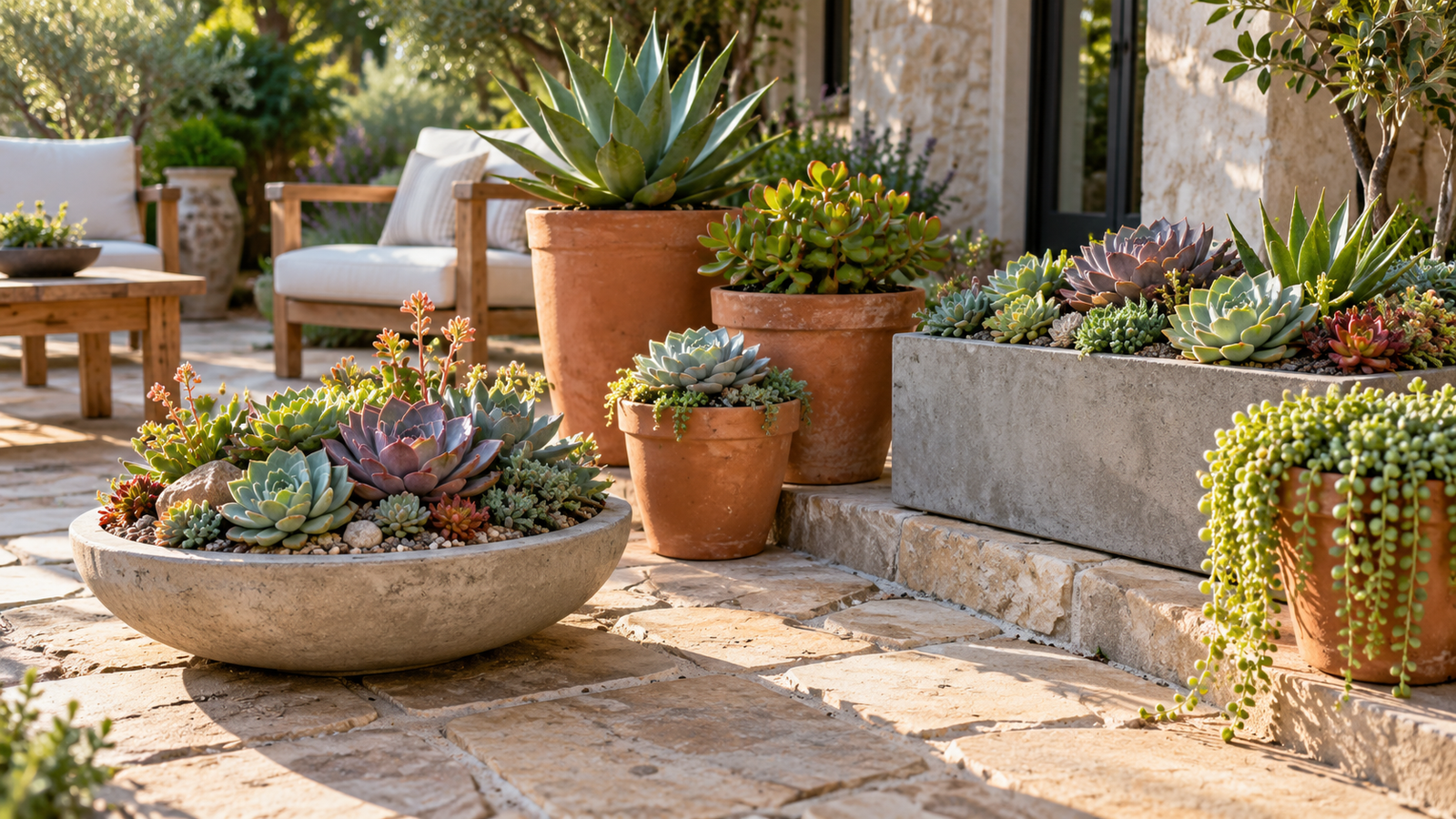
21 Outdoor Succulent Planter Ideas for Patios, Porches and Yards
Outdoor succulent planter ideas include mixed rosette bowls, terracotta groups, concrete troughs, vertical wall displays, and hanging baskets. Choose each design according to sunlight, rain exposure, drainage, and winter conditions. Explore 21 practical options, then use the planting and care...
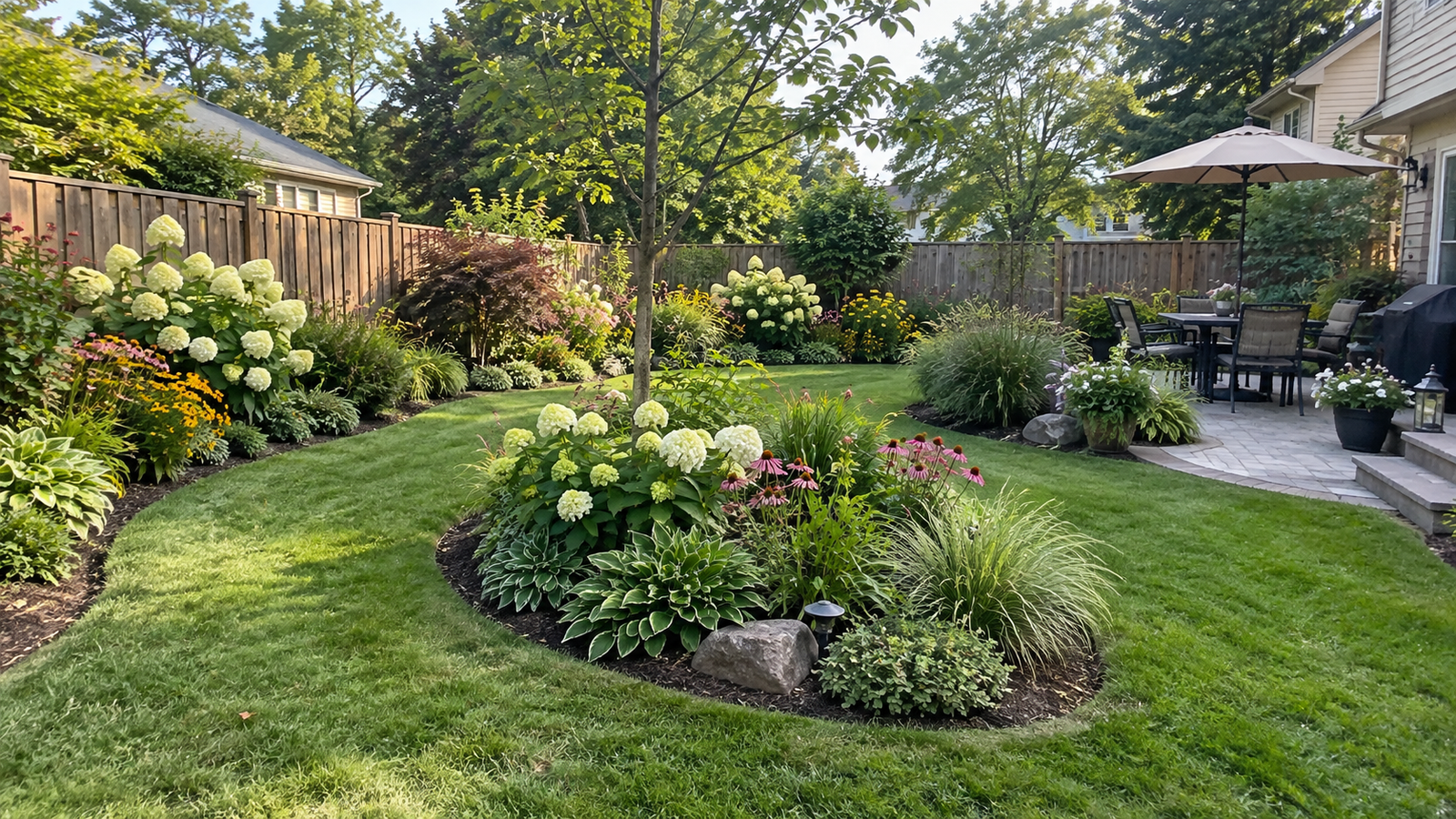
Backyard Plant Bed Ideas: 21 Layouts for Every Yard
The best backyard plant bed ideas preserve usable space while adding structure and color. Border beds frame lawns, island beds create focal points, fence beds offer screening, curved beds soften straight edges, and raised beds organize growing areas. Choose according...
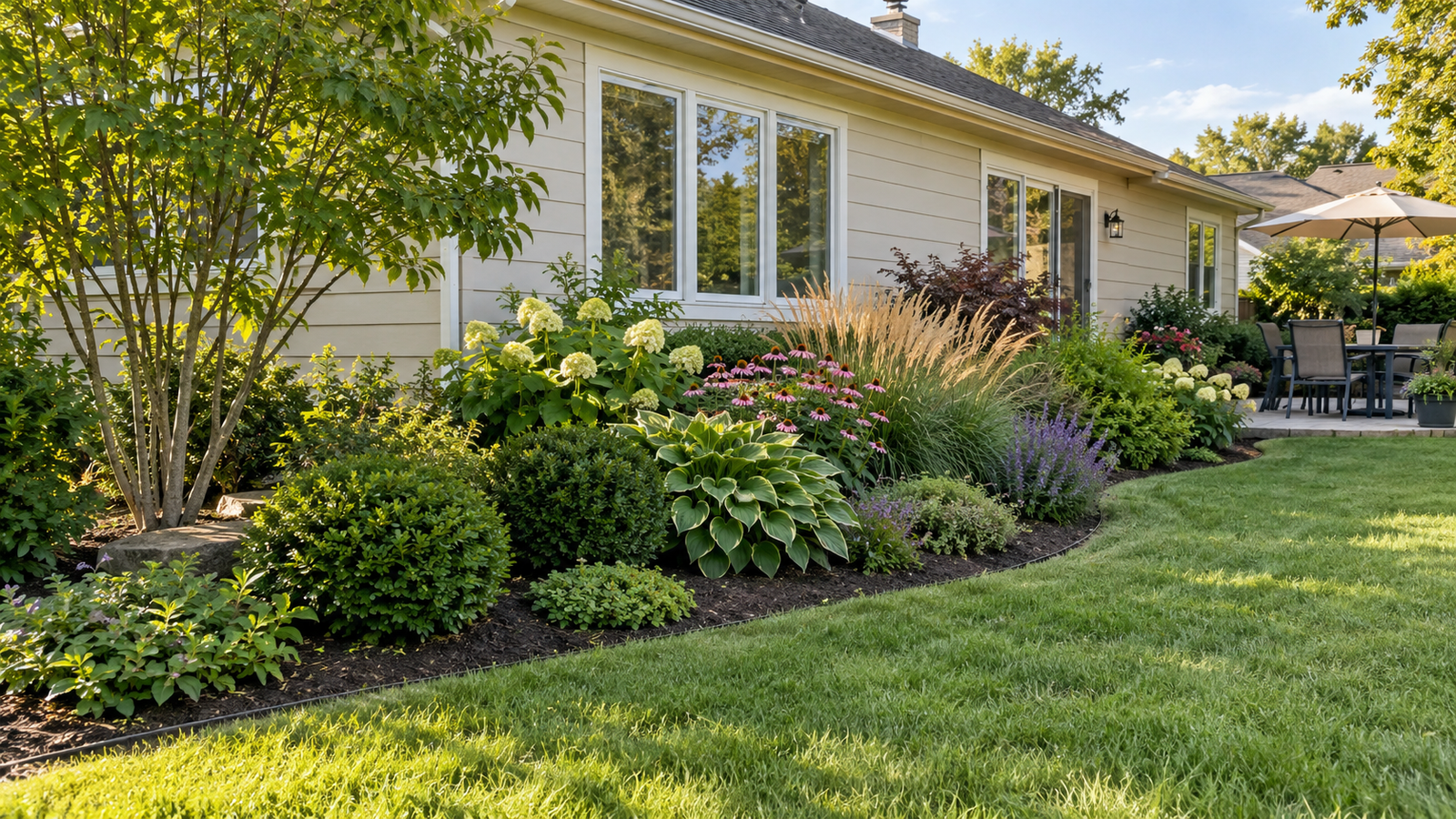
Backyard Foundation Planting Ideas: 21 Ways to Plant Along Your House
The best backyard foundation planting ideas use compact shrubs, flowering perennials, grasses, and groundcovers to soften exterior walls without obstructing windows, drainage, or access. Choose a layout that fits the available bed depth, then select plants for their mature size,...
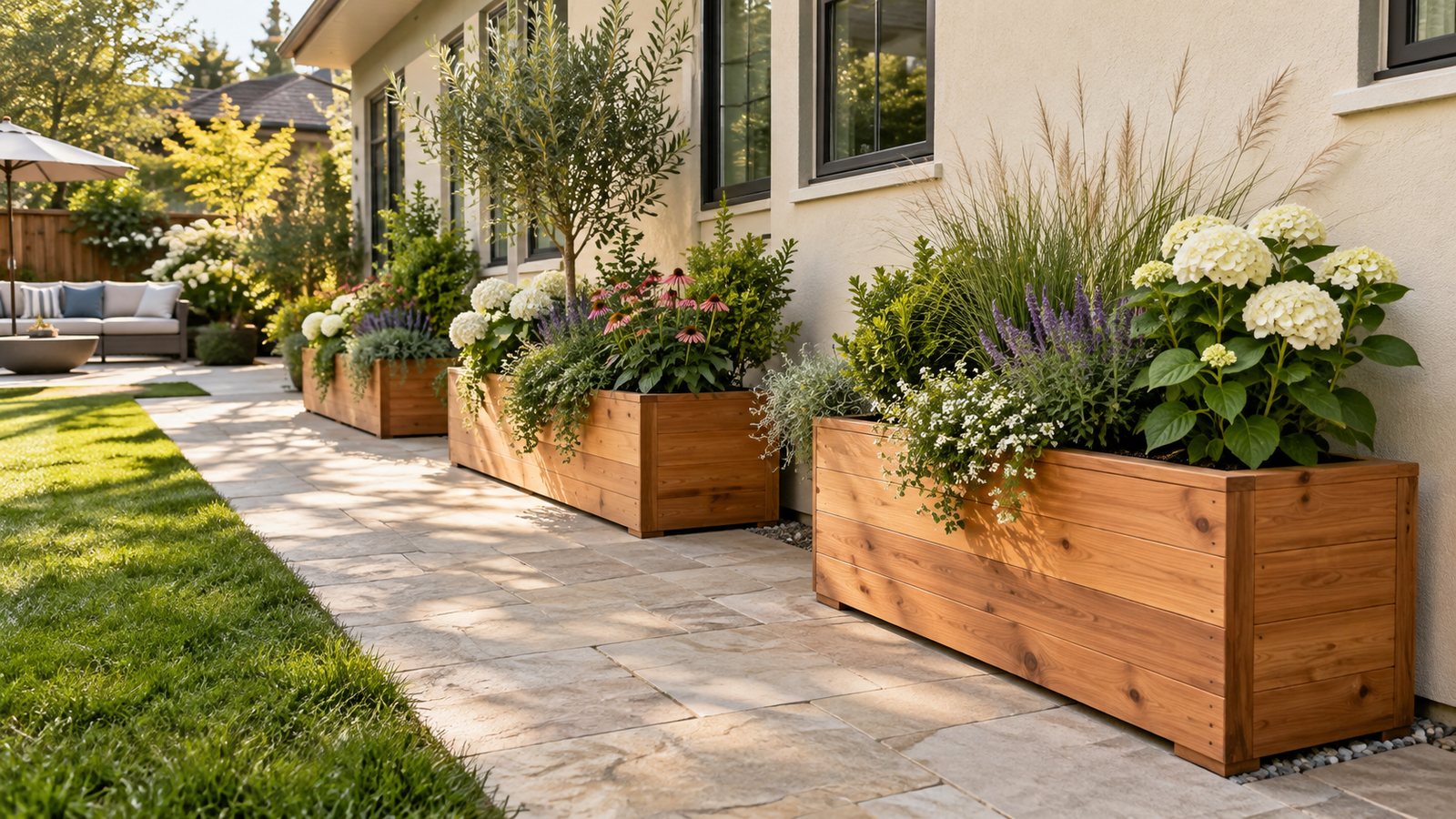
Backyard Planter Box Along House Ideas: 17 Practical Designs
The best backyard planter box along house ideas combine attractive planting with safe, practical placement. Freestanding troughs, cedar boxes, low window planters, and trellis containers can transform a plain wall without blocking access or trapping moisture. Choose a design that...
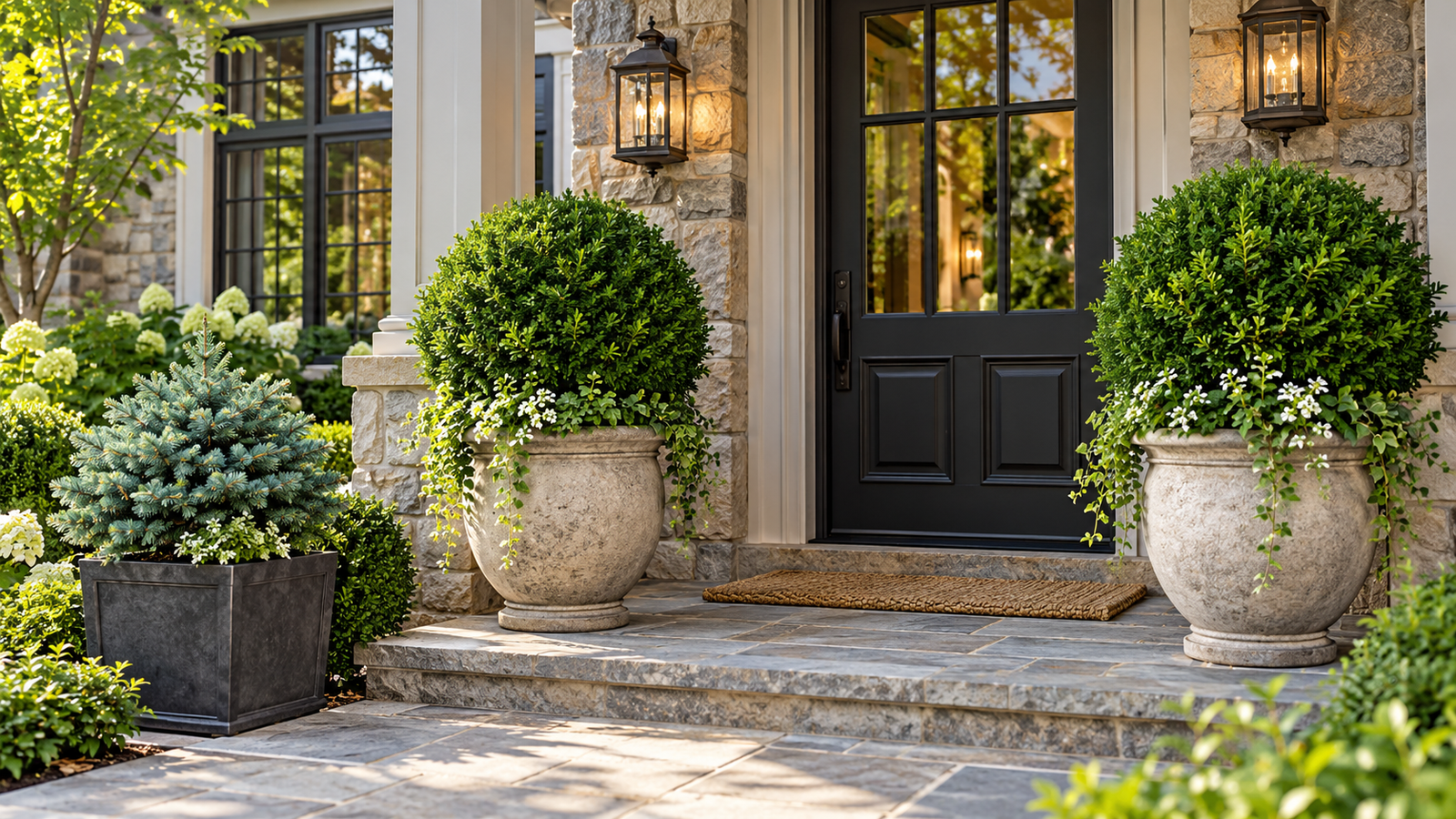
Evergreen Planter Ideas for Beautiful Outdoor Spaces Year-Round
Evergreen planter ideas bring lasting color, shape, and structure to front doors, patios, porches, and balconies. From paired entrance shrubs to low-growing junipers and decorative dwarf conifers, the right arrangement can make an outdoor space feel finished even when seasonal...
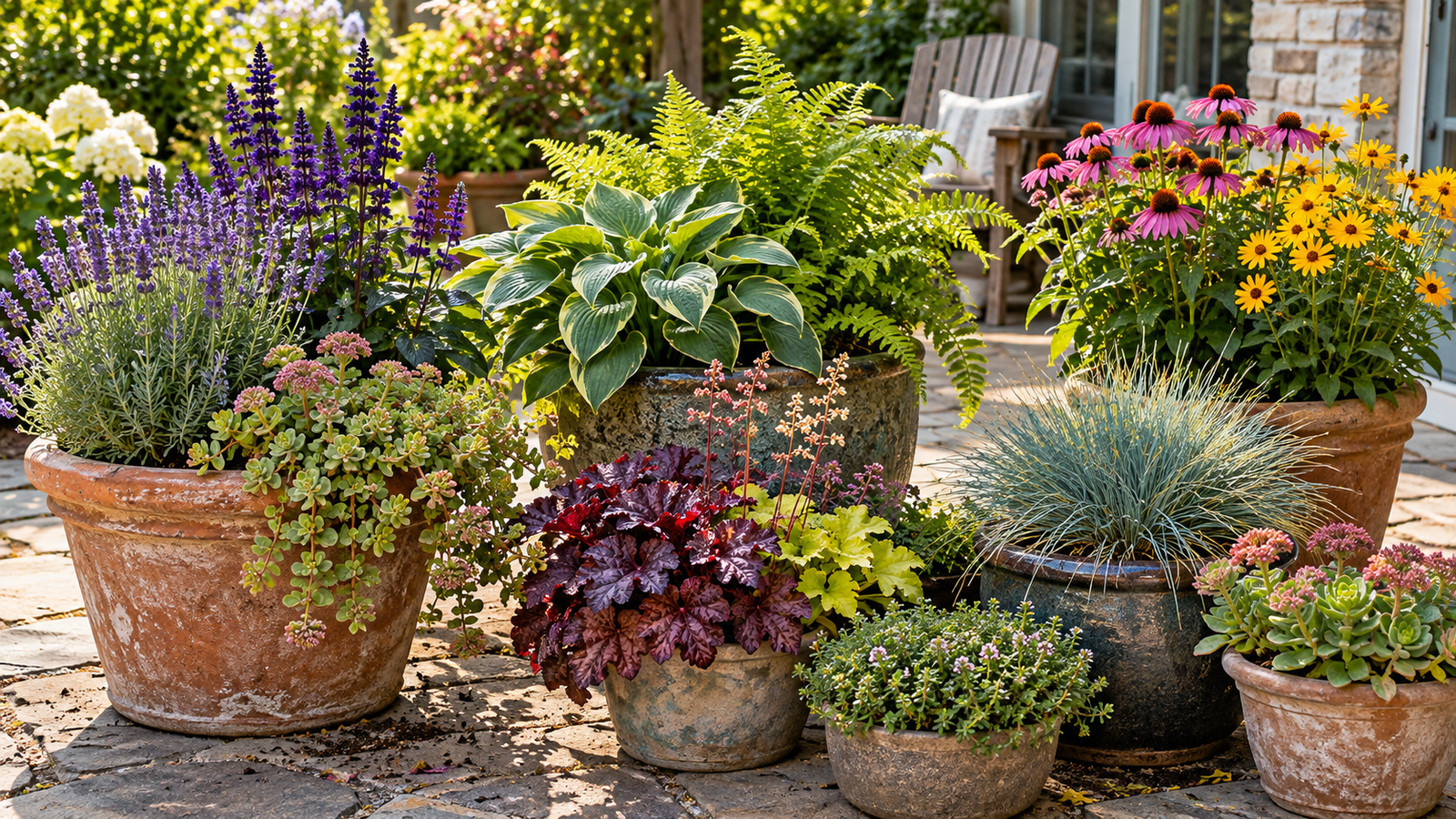
Perennial Planter Ideas
Perennial planter ideas work best when plants share the same sunlight, moisture, drainage, and growing-space requirements. Choose suitable plants and containers, and a display can return for several years with less seasonal replanting.
The secret is planning for mature growth rather...
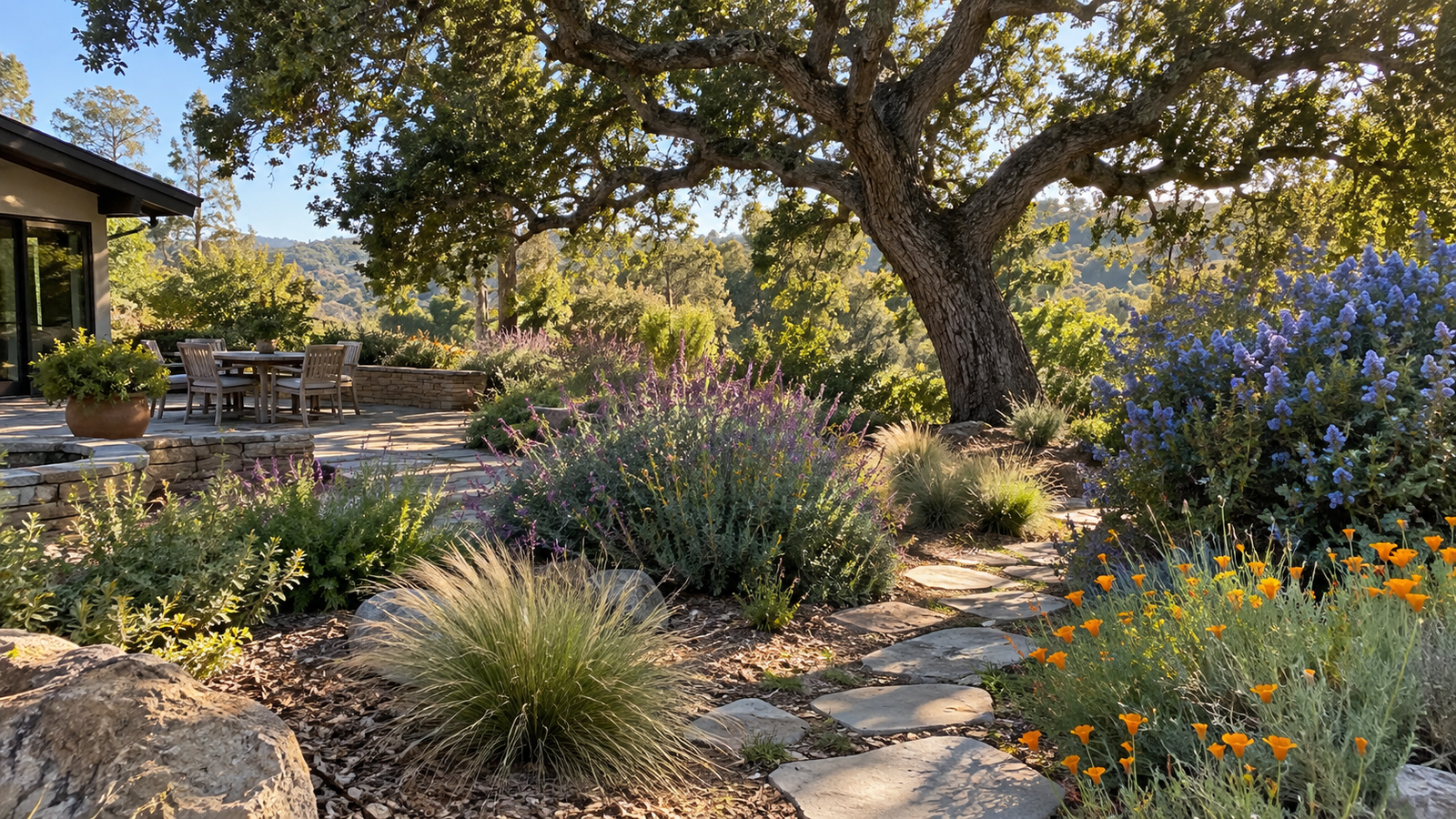
California Backyard Plant Ideas: 25 Water-Wise Choices
The best California backyard plants suit your local climate, soil, sunlight, and available water. Coast live oak, toyon, ceanothus, California fuchsia, deer grass, and native salvias can create attractive, functional landscapes where conditions match their needs. Group plants by water...
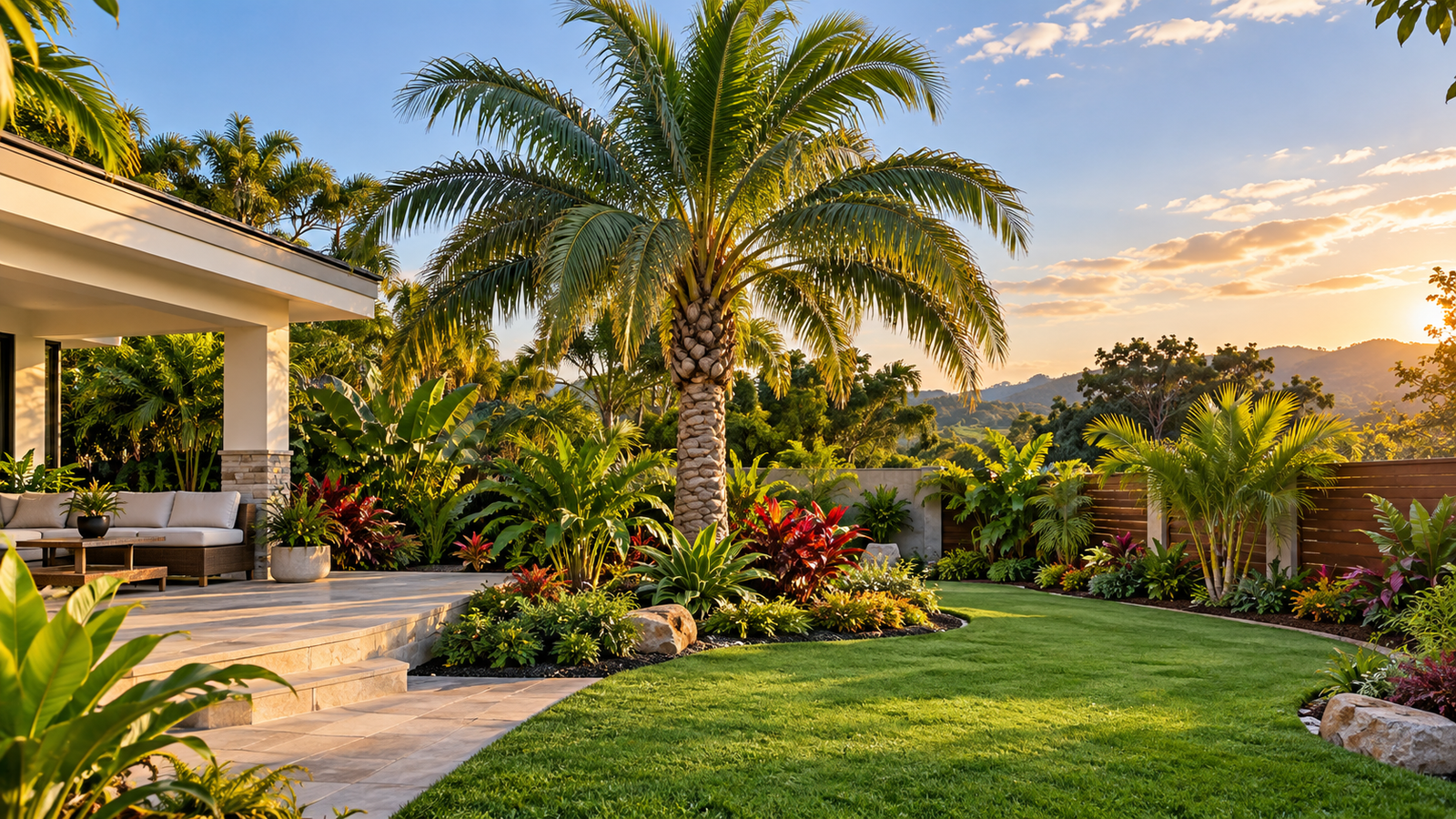
Palm Plant Ideas for Backyards: A Climate-Smart Planning Guide
Palm plant ideas for backyards work best when the palm matches your climate, mature space, sunlight, drainage, and landscape goal. Choose compact palms for small yards, clustering palms for privacy, container palms for flexibility, and solitary palms when you want...
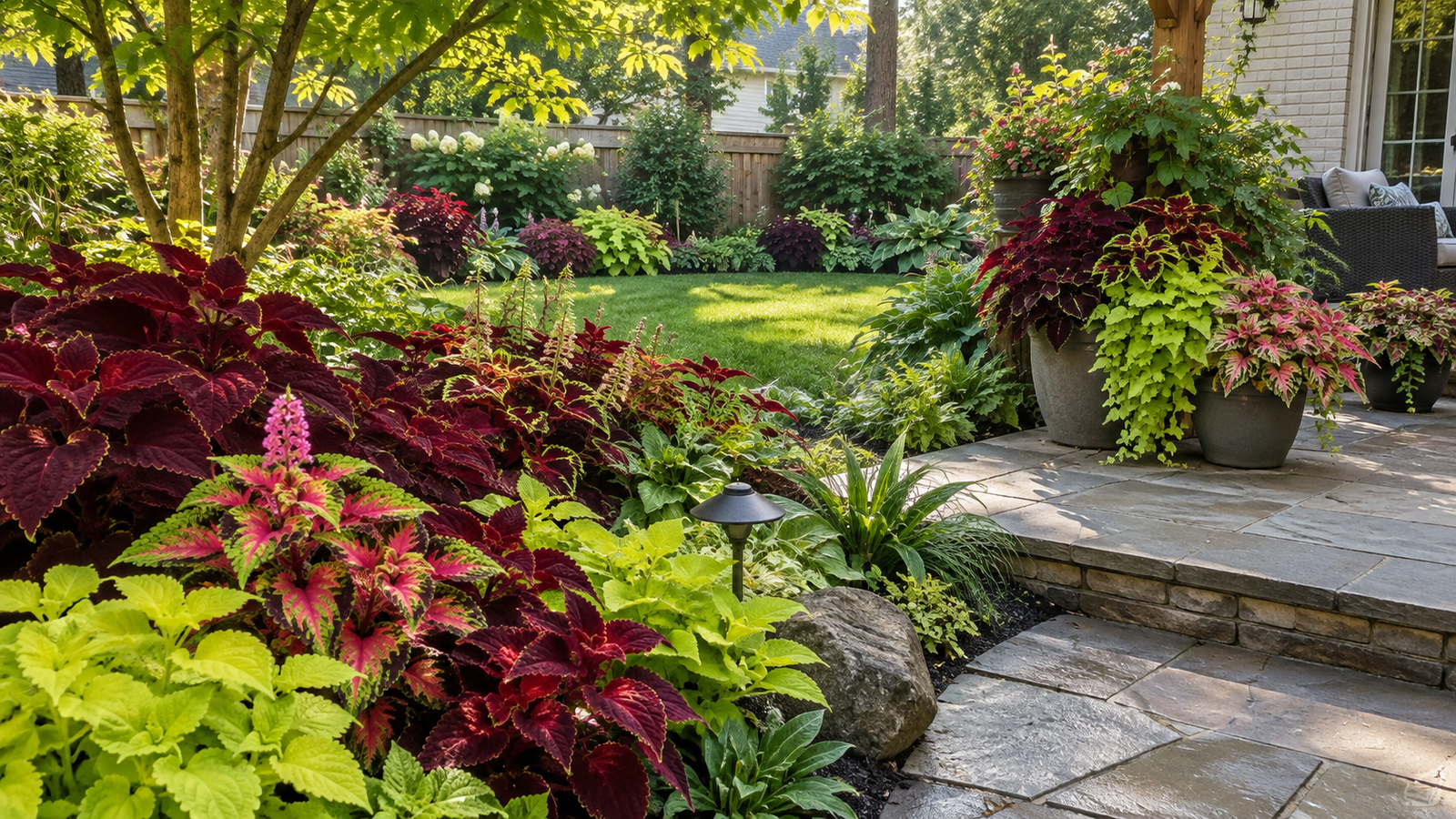
Backyard Planting Ideas With Coleus
Backyard planting ideas with coleus include layered shade borders, mass plantings, pathway edging, patio pots, tropical foliage beds, under-tree containers, and burgundy or lime focal plants. Match the cultivar's mature size, growth habit, and light tolerance to the site first,...
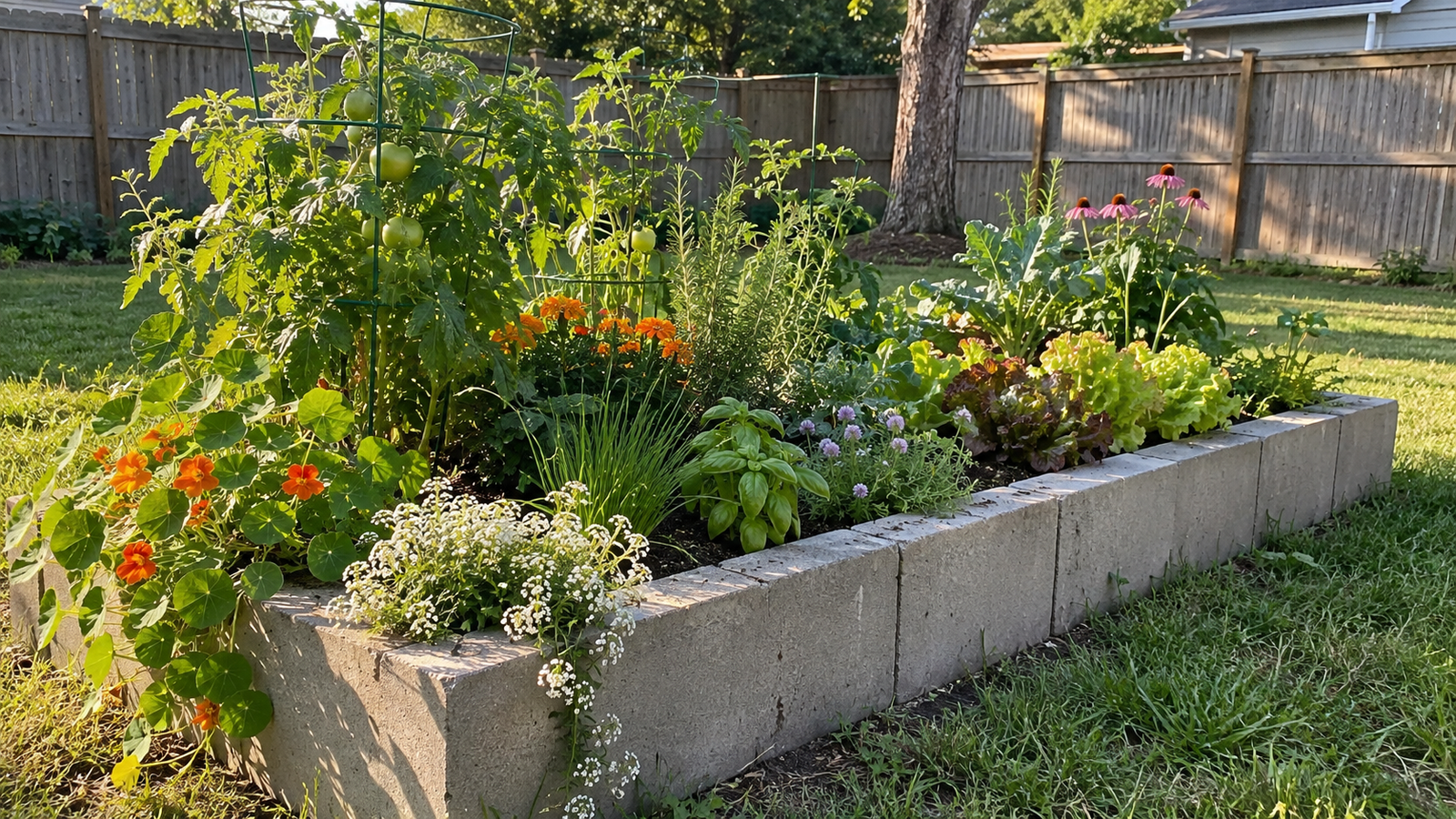
Cinder Block Planter Ideas
Cinder block planter ideas offer a practical way to grow flowers, herbs, vegetables, succulents, or ornamental plants without complicated construction. Low raised beds, narrow fence planters, stepped corner designs, and compact vertical arrangements work especially well because they balance growing...