

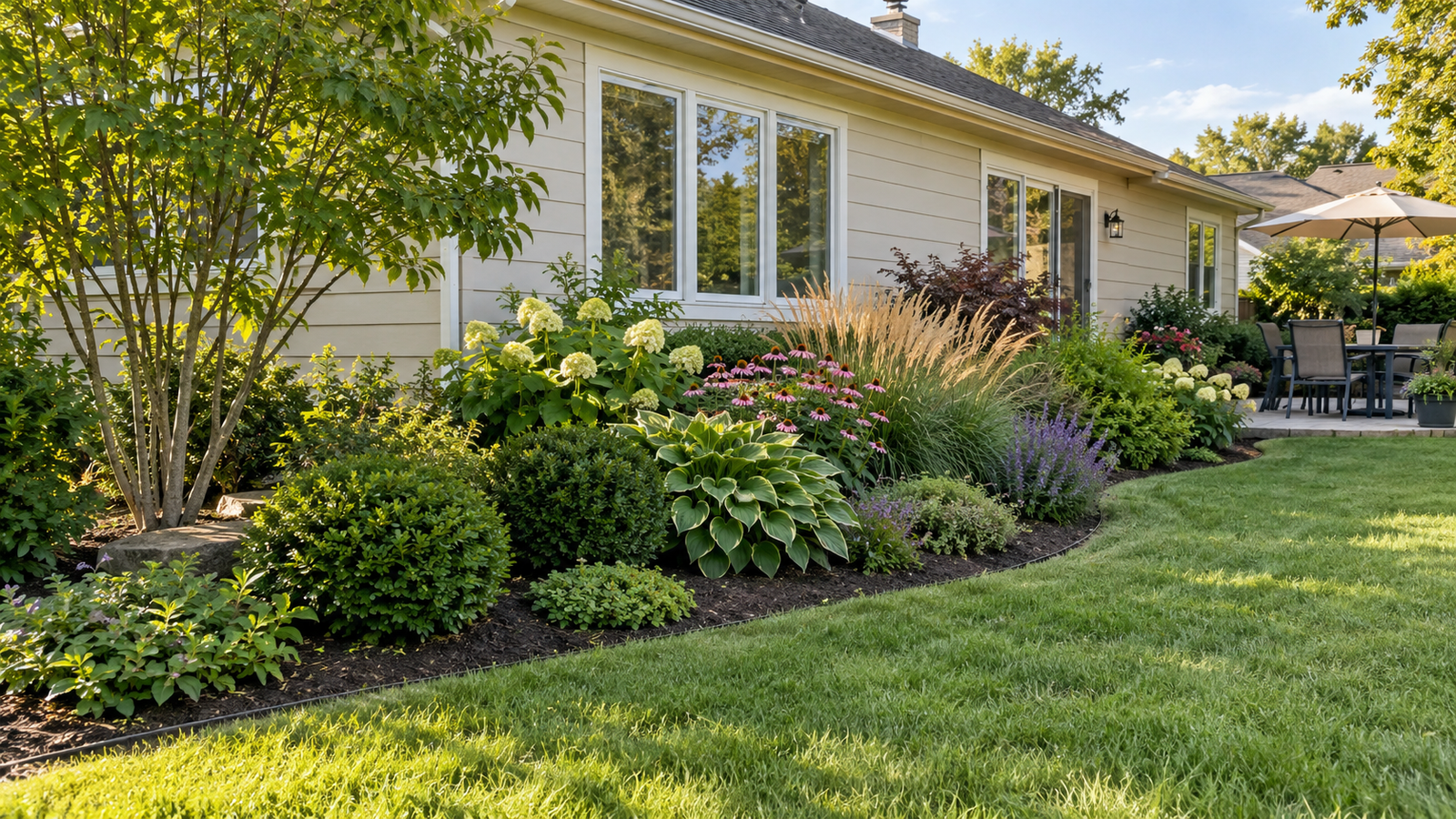
The best backyard foundation planting ideas use compact shrubs, flowering perennials, grasses, and groundcovers to soften exterior walls without obstructing windows, drainage, or access. Choose a layout that fits the available bed depth, then select plants for their mature size, sun exposure, soil moisture, and local climate.
Foundation beds share space with downspouts, steps, patios, and utilities. Plan around these features before planting.
Which Foundation Planting Layout Fits Your Yard?
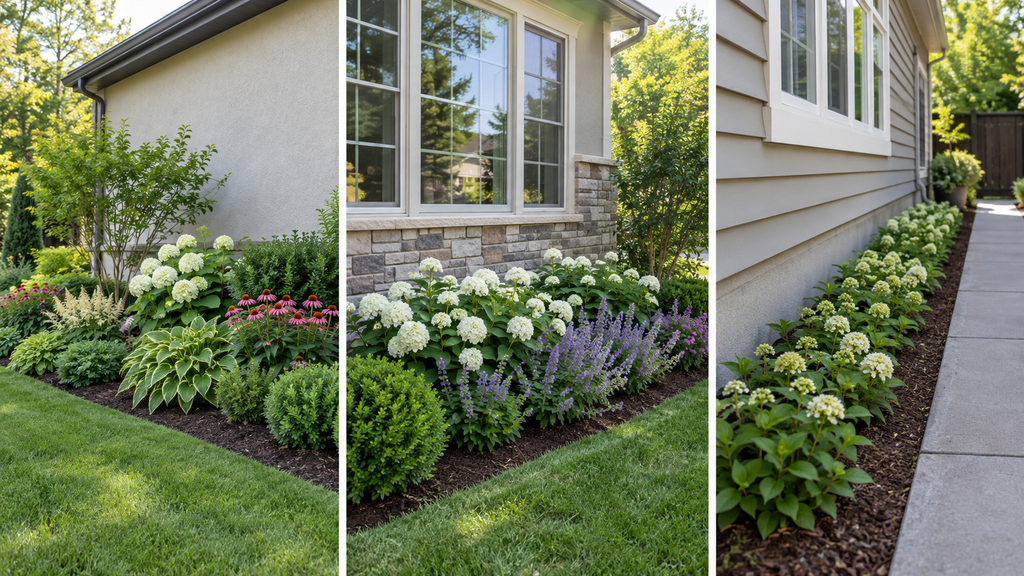
Choose a layout that fits the wall, mature plant spread, and nearby access routes.
| Backyard condition | Suitable approach | Check first |
|---|---|---|
| Broad blank wall | Layered shrubs and perennials | Mature spread |
| Windows close to soil | Low plants and groundcovers | Sill height |
| Narrow passage | Single row or containers | Walking clearance |
| Shaded wall | Sedges and foliage perennials | Dry shade |
| Sunny, hot wall | Climate-adapted plants | Heat and irrigation |
| Deck or rear steps | Low border planting | Safe access |
| Basement window well | Sparse planting beyond clear area | Escape and drainage |
| Equipment area | Movable screen or compact shrubs | Manufacturer clearances |
Repeat a few compatible plants rather than overcrowding small strips.
What Are the Best Backyard Foundation Planting Ideas?
These 21 approaches address common backyard conditions. Select one primary design and adapt it to your wall, growing space, and climate.
1. Create a Layered Foundation Border
Use tall structural shrubs only where the bed is deep and the wall has sufficient blank space. Arrange medium-height perennials in front and low groundcovers near the lawn. Repeat groups for cohesion, but leave gaps for downspouts and wall access.
2. Keep Plants Low Beneath Windows
Measure from soil level to the lowest windowsill. Select naturally short shrubs, sedges, or perennials that will remain beneath it at maturity. Leave room to clean the glass and reach window hardware.
3. Repeat Compact Shrubs
Three or more repeated shrubs can give a long rear wall rhythm without forming a dense hedge. Choose consistent shapes, then add occasional seasonal flowers between groups. Set spacing using mature widths rather than nursery-pot dimensions.
4. Mix Evergreens With Seasonal Flowers
Use compact evergreens as the permanent structure and add bulbs or perennials for changing color. Choose plants with compatible sunlight and water needs. In climates where familiar evergreen shrubs struggle, substitute locally adapted species with persistent foliage or interesting winter stems.
5. Use Foliage Plants Along Shaded Walls
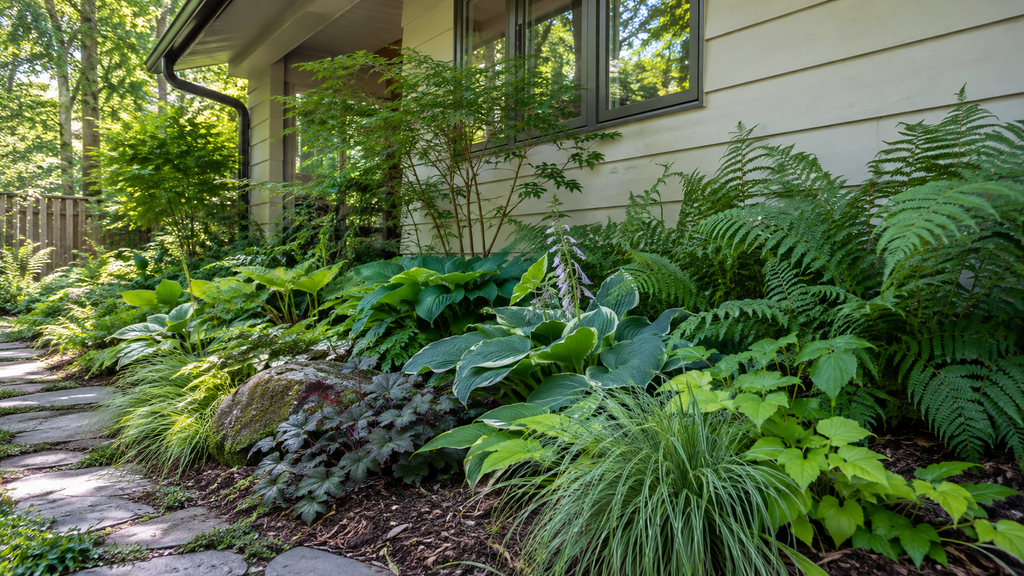
Combine contrasting leaf forms, such as fine sedges, ferns, and broad-leaved shade perennials. Test soil moisture beneath eaves because roof overhangs may block rainfall. A plant described as shade tolerant is not necessarily tolerant of dry shade.
6. Plant Compact Flowers Below Wide Windows
Arrange two or three small flowering shrubs beneath a wide window instead of centering one oversized specimen. Compact panicle hydrangeas or spireas may suit appropriate temperate sites. Verify the cultivar’s mature height and width, and reserve space for lower edging plants.
7. Combine Groundcovers With Small Shrubs
Pair a few compact structural shrubs with a low groundcover to visually connect them. This works where the bed cannot accommodate three layers. Before planting, check the groundcover’s eventual spread, maintenance needs, and local invasive status.
8. Add Ornamental Grasses as Accents
Small clumps of grasses bring movement and fine texture beside solid exterior walls. Repeat them between shrubs or use one as an accent, not a screen that hides windows. Check whether the grass self-seeds, how it looks in winter, and how wide its mature clump becomes.
9. Anchor a Blank Wall With One Shrub
One well-proportioned shrub can break up a long uninterrupted wall. Surround it with lower, quieter planting rather than competing focal points. Choose a naturally suitable mature size so branches do not approach roof edges, gutters, or access routes.
10. Add Height at a House Corner
An upright shrub can soften the corner of a building and connect it visually to the garden. Step down toward shorter plants near windows, paths, or seating. Measure both mature spread and eventual height; a narrow nursery plant may broaden substantially.
11. Plant Small Trees Farther From the Foundation
A small ornamental tree can link the house to the wider lawn, but most need more root and canopy room than a foundation strip offers. Place it in a larger connecting bed when possible. Check utilities, overhead wires, soil, and mature canopy spread.
12. Install a Freestanding Trellis
Choose a climber suited to the climate and a support rated for its eventual weight. Position it far enough from the building for inspection and pruning. Prevent vines from entering gutters, vents, or gaps in exterior materials.
13. Keep Narrow Beds to One Planting Layer
In a tight passage, one row of low plants is usually more functional than overlapping shrub groups. Measure the clear walking width after mature spread, not before planting. Use containers if the soil strip cannot accommodate a permanent border.
14. Create a Curved Foundation Border
Outline a gentle curve with rope or a hose before digging. Widen the bed for a shrub group where the lawn allows, then narrow it near doors and paths.
15. Screen Outdoor Equipment Carefully
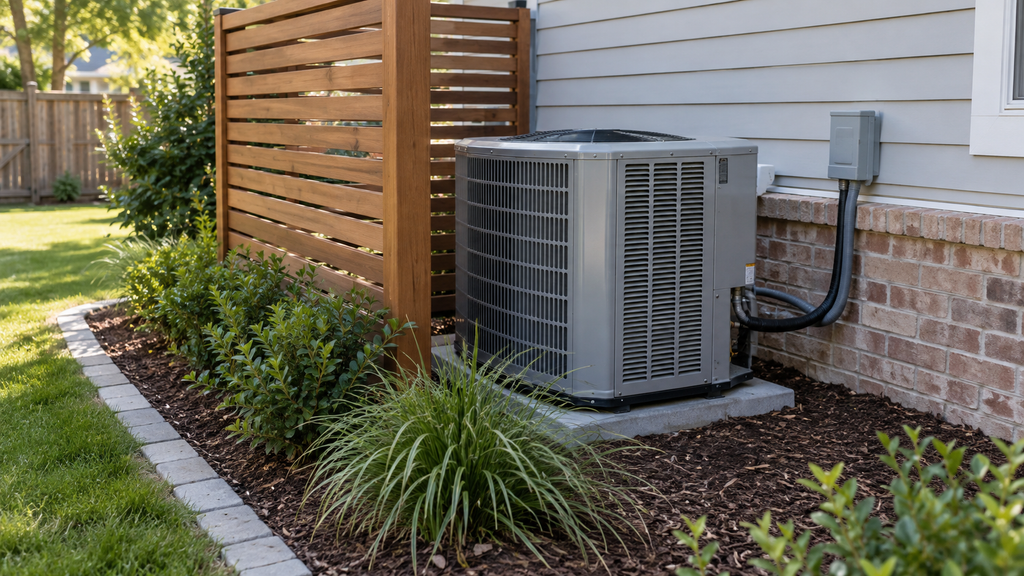
Use movable screening or appropriately spaced plants to reduce the visibility of heat pumps, air conditioners, and utility areas. Follow the specific manufacturer’s airflow and service-clearance instructions; there is no reliable universal distance. Access matters more than concealment.
16. Use Containers Near Doors and Patios
Repeat pots to connect an entrance with the patio, choosing plants suited to the light and containers with drainage openings. Position them outside door swings and circulation paths. Expect containers to need more frequent watering than comparable in-ground plants.
17. Add Pollinator-Friendly Flowering Plants
Group regionally appropriate flowers with overlapping bloom periods to offer seasonal resources for pollinators. Place shorter plants along the lawn edge and taller varieties where windows remain clear. Prioritize noninvasive species suited to the local ecology.
18. Add Low Planting Around Backyard Steps and Deck Edges
Soften raised decks and exterior steps with low perennials or compact grasses beside—not across—walking routes. Keep handrails, stair treads, ventilation, deck supports, and inspection access unobstructed. Avoid trailing vines that could create a trip hazard.
19. Extend the Foundation Bed Toward a Patio
Repeat one or two foundation plants near the patio to unify the outdoor space. Keep plants low beside seating and maintain clear routes from doors to the lawn. Before enlarging the bed, observe whether the paving directs water toward the house.
20. Choose a Water-Wise Planting Design
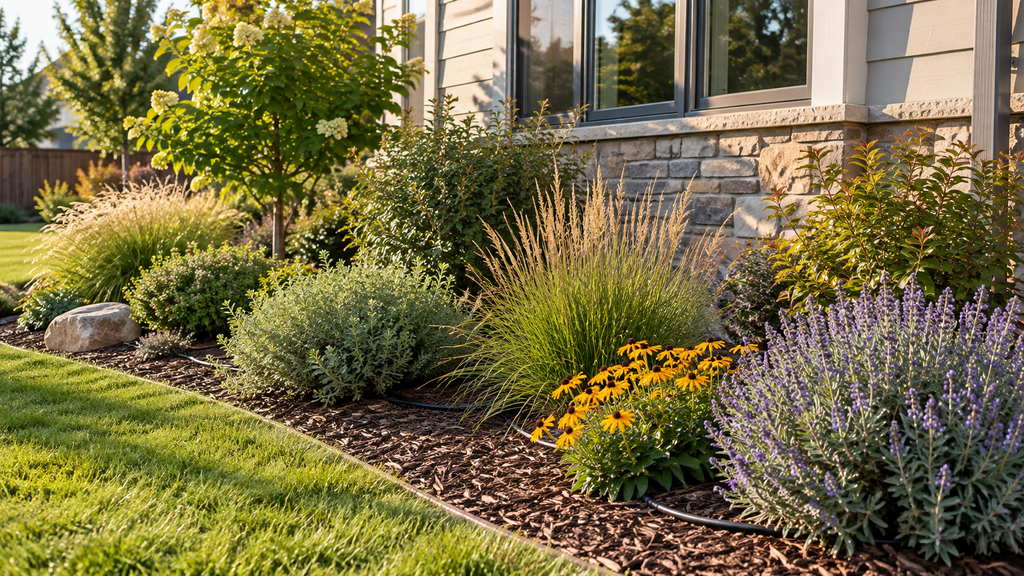
Choose plants adapted to local rainfall, heat, and soil. Even drought-tolerant species need consistent watering while establishing new roots. Group species with similar irrigation needs, and water carefully during establishment. Afterward, adjust watering to the weather and root-zone moisture. Avoid irrigation spray that repeatedly wets exterior walls.
21. Create a Minimalist Foundation Border
Use a small palette: one compact shrub, one contrasting foliage plant, and perhaps a seasonal accent. Repeat forms and leave intentional open spaces near windows, doors, and meters. A clean edge can define the bed without excessive decoration.
What Should You Check Before Planting?
Walk the entire wall before buying plants. Measure bed depth, windowsill height, door clearance, and the distance to nearby paths. Identify meters, vents, taps, downspouts, and mechanical equipment. Note morning and afternoon light; a sheltered corner may be much drier than the rest of the yard. In termite-prone or wildfire-prone areas, follow local guidance on vegetation and mulch near walls.
After heavy rain, note pooling, gutter overflow, erosion, and patio runoff. Resolve recurring moisture issues before planting. Locate underground utilities before digging; in the United States, contact 811.
How Do You Plant Around Basement Window Wells?
Leave required basement escape windows, ladders, and window-well access unobstructed. Plant foliage outside the clear area, and ensure the window can open fully. Keep mulch, soil, and leaves out of the well so its drainage functions.
Check local emergency escape requirements before installing permanent shrubs, raised borders, or covers.
How Deep Should Foundation Beds Be?
Account for mature spread and building clearance. These are planning examples, not construction standards:
| Usable depth | Practical planting |
|---|---|
| About 2 feet | Low plants or groundcovers |
| About 4 feet | One row of carefully selected compact plants |
| About 6 feet | Some shrubs with low front-edge plants |
| Over 6 feet | Layered combinations if access remains clear |
A four-foot-wide shrub needs extra room for wall clearance.
How Far Should Shrubs Be From the House?
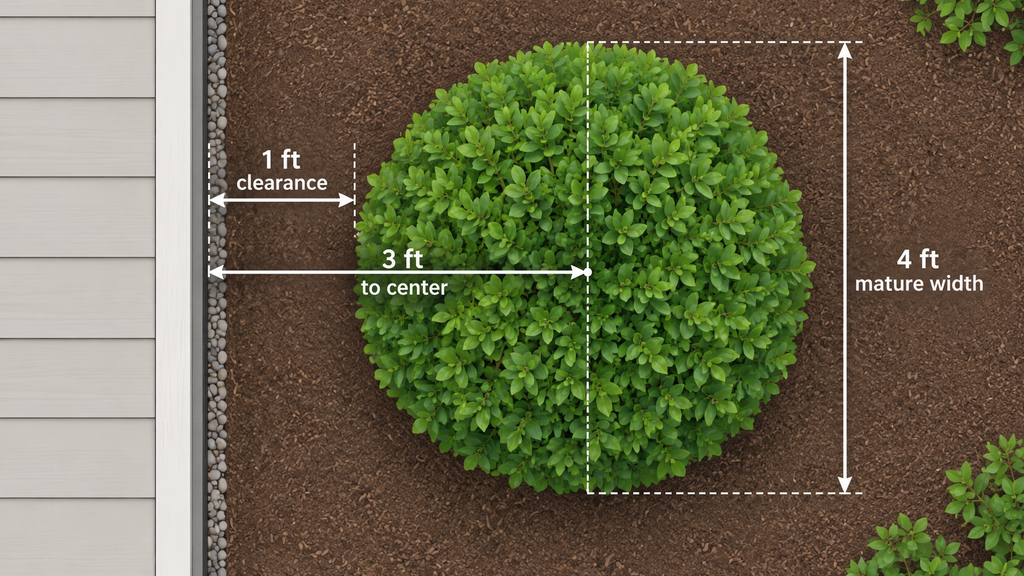
Start with half the shrub’s expected mature width, then add the necessary foliage-to-wall clearance. NC State Extension uses an additional foot as a landscape planning guideline; building conditions or local rules may require more.
For a shrub reaching four feet wide, half its width is two feet. Adding an illustrative one-foot gap puts the planting center three feet from the wall, while outer foliage reaches about five feet into the yard. Mark the entire mature footprint; this is not a building-code requirement.
How Do You Prevent Foundation Drainage Problems?
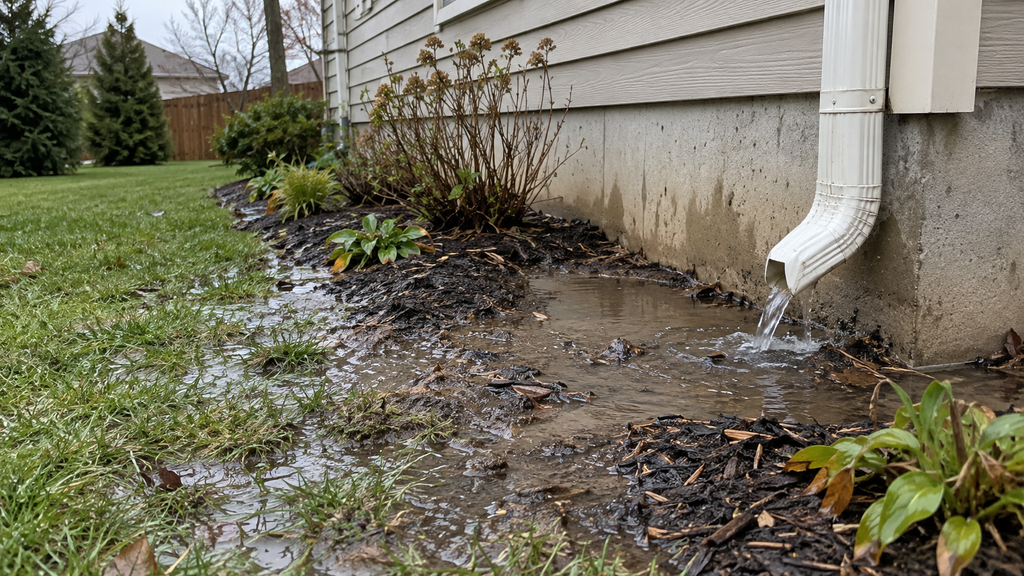
Keep roof runoff and irrigation away from the building. Inspect grading, gutters, downspouts, paving, and drains before edging. Root-zone drainage tests cannot diagnose foundation waterproofing.
What Are the Signs of Poor Foundation Drainage?
| Warning sign | Possible issue | Next step |
|---|---|---|
| Pooling beside wall | Runoff or improper grade | Investigate water source |
| Persistently soggy soil | Excess irrigation or poor drainage | Assess root-zone moisture |
| Mulch washing toward wall | Erosion or concentrated runoff | Correct water movement |
| Wilting in wet soil | Root stress or disease | Inspect roots before watering |
| Damp basement | Possible building moisture issue | Seek qualified assessment |
Can You Add Gravel Beside a House Foundation?
Gravel can provide an inspection strip, but keep vents and drains clear. It cannot fix poor grading, blocked downspouts, or water entry.
Can You Build a Rain Garden Near the Foundation?
Keep rain gardens away from the wall. NC State Extension recommends at least ten feet from house foundations; soil, slope, and local conditions may require more.
What Are the Best Foundation Plants?
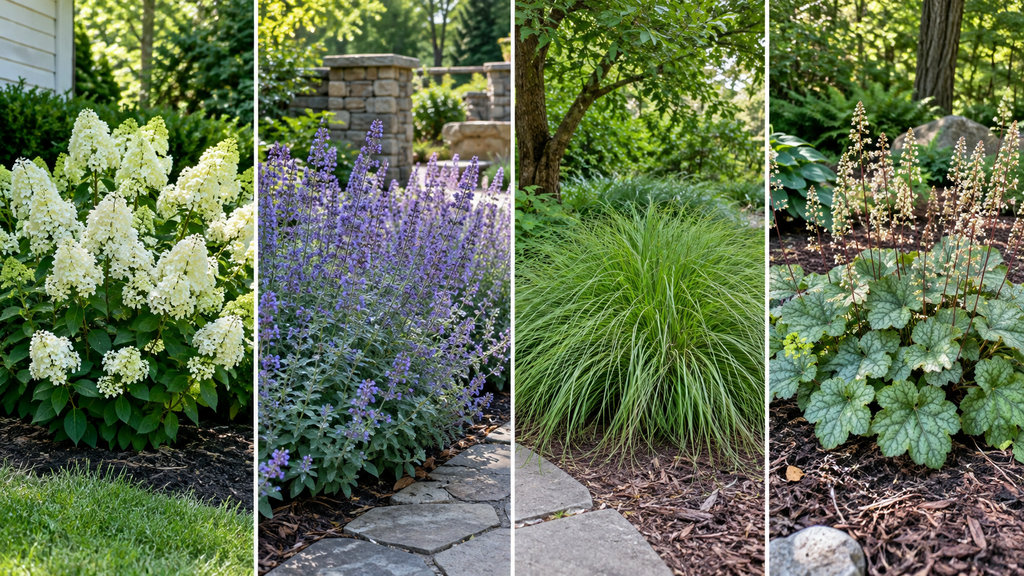
Choose plants by role, mature size, light, and moisture. These examples suit some temperate North American gardens; substitute locally suitable species elsewhere.
| Plant | Approximate mature size | Typical conditions |
|---|---|---|
| Bobo panicle hydrangea | 2.5–3 ft high; 3–4 ft wide | Sun to partial sun; suitable moisture |
| Soft Touch Japanese holly | 2–3 ft high and wide | Sun or some shade; well-drained acidic soil |
| Double Play Doozie spirea | 2–3 ft high and wide | Sun to partial sun; well-drained soil |
| Walker’s Low catmint | 2–2.5 ft high; 2.5–3 ft wide | Sunny, well-drained soil |
| Pennsylvania sedge | Under 1 ft high; spreading | Partial to deep shade |
| American alumroot | Foliage around 1 ft; taller blooms | Partial shade; well-drained soil |
Sizes vary. Check cultivar requirements and local invasive-species advice.
Which Foundation Plants Work Best in Full Sun?
Compact panicle hydrangeas and spireas suit some sunny beds with adequate moisture and room. Established catmint tolerates drier, well-drained sites. Avoid mixing incompatible irrigation needs.
Which Foundation Plants Work Best in Shade?
Pennsylvania sedge and American alumroot suit some shaded gardens but have different moisture preferences. Check dry soil beneath roof overhangs.
Which Plants Should You Avoid Near a Foundation?
Avoid oversized shrubs, invasive groundcovers, and vines entering gutters or wall joints. Keep large trees out of narrow foundation strips.
How Does Climate Affect Plant Selection?
Sunny brick may reflect heat; a deep roof overhang may create dry shade. Coastal sites can face salt and wind, while humid climates may need greater attention to airflow and disease. In cold areas, confirm winter hardiness; in dry regions, group plants by water needs.
USDA hardiness zones describe winter cold tolerance in the United States, not a plant’s complete suitability. Assess actual sunlight rather than assuming a compass direction guarantees shade in every hemisphere. Local soil, rainfall, summer temperature, and exposure should determine the final selection.
How Do You Test a Foundation Bed Layout?
Mark the outer bed with rope, then draw each shrub’s mature diameter using stakes or cardboard. For a hypothetical six-foot-deep bed, a three-foot-wide shrub centered 2.5 feet from the wall leaves about one foot between mature foliage and the wall. Its front foliage reaches four feet outward, leaving roughly two feet to the edge.
Repeat this check along the wall so neighboring plants do not collide. Check doors, windows, service access, and rainfall runoff before digging.
How Do You Install a Foundation Bed?
After addressing drainage and locating underground utilities, follow this sequence:
- Mark the border and each plant’s mature footprint.
- Assess soil condition without raising the grade against siding or vents.
- Position structural shrubs before smaller supporting plants.
- Dig suitable holes and place plants at their correct root depth.
- Backfill, water for establishment, and mulch without burying stems.
- Check runoff, displaced mulch, and irrigation after heavy rainfall.
How Deep Should You Plant Foundation Shrubs?
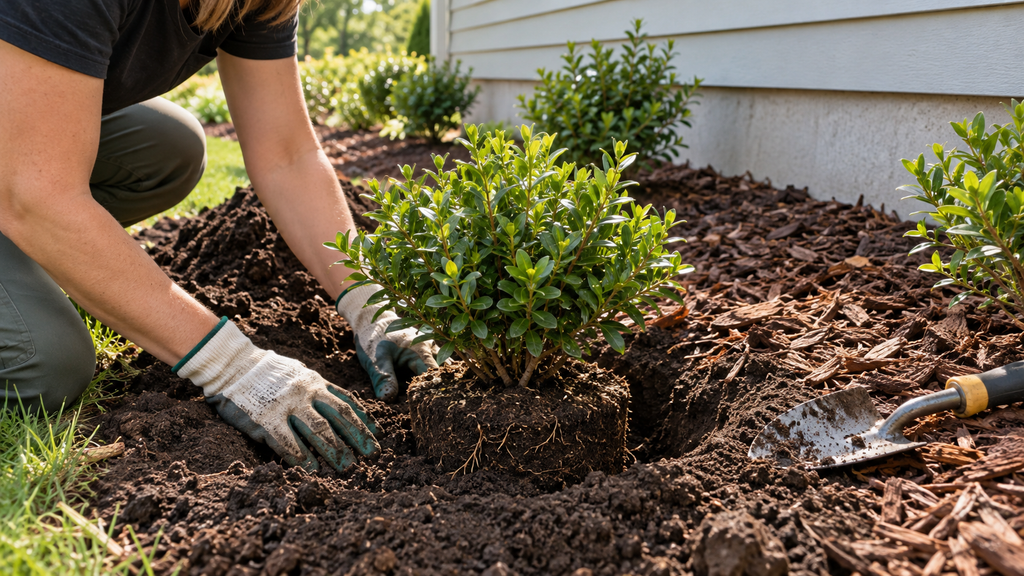
For most container shrubs, dig about twice the root ball’s width where space permits. Keep its top level with or slightly above grade, following species guidance. Correct circling roots and keep mulch off stems; expose the appropriate root flare on trees.
When Should You Avoid Foundation Planting?
Leave areas unplanted while foundation damage, chronic dampness, or drainage repairs remain unresolved. Also avoid permanent beds that block required access, ventilation, or emergency escape openings. Mechanical equipment requires manufacturer-specific clearances.
In wildfire-prone regions, check current defensible-space rules before placing combustible vegetation near the wall. Empty space, gravel for inspection, or movable containers may be safer and more practical than shrubs.
How Do You Reduce Foundation Bed Maintenance?
Choose shrubs that fit without frequent hard pruning. Group plants by water needs, maintain access, and adjust irrigation after establishment.
After storms, check downspouts, pooling, erosion, and mulch movement. Avoid aggressive groundcovers that turn simple beds into constant containment projects.
How Do You Fix Overgrown Foundation Shrubs?
Evaluate each existing shrub before removing it. A healthy plant with enough room may only need routine pruning; one that continually blocks a window is often better replaced with a smaller species. Check drainage before replacing plants declining in wet soil.
Should You Prune or Replace an Overgrown Shrub?
Prune when the species responds well and can still fit its intended space. Replace when its natural dimensions exceed the bed or interfere with essential access. Avoid indiscriminate hard pruning, which some shrubs tolerate poorly. Check for buried utility or irrigation lines before moving mature plants.
How Do You Save on Foundation Planting?
Renovate one wall section first. Prioritize drainage and soil preparation over decorative borders, then install a small number of correctly sized structural shrubs. Younger nursery plants may cost less but need longer to fill in. Add supporting perennials in later seasons instead of crowding the initial planting to achieve instant fullness.
What Foundation Planting Mistakes Should You Avoid?
Avoid planting for nursery-pot size rather than maturity, raising soil against siding, blocking downspouts or vents, and crowding windows. Avoid vigorous vines and incompatible watering groups.
Gravel will not repair drainage, and “dwarf” does not guarantee a small cultivar. Verify actual mature sizes.
How Do You Add Year-Round Foundation Interest?
Build the composition around lasting structure, then add seasonal detail. Appropriate compact evergreens can anchor spring bulbs, summer flowers, autumn foliage, and winter seed heads. Select companions with matching soil, light, and water needs rather than collecting unrelated plants for each season.
In warmer climates, use local foliage plants and flowering species that serve the same roles without copying temperate planting lists.
Foundation Planting FAQs
What Are the Best Low-Maintenance Plants for Foundation Planting?
Compact evergreens, suitable dwarf hydrangeas, catmint, and sedges can work well. Match mature size and climate rather than choosing plants by appearance alone.
How Far Should Shrubs Be Planted From a House Foundation?
Start with half the mature width plus adequate wall clearance. A four-foot-wide shrub centered three feet from the wall leaves an illustrative one-foot foliage gap.
How Wide Should a Foundation Planting Bed Be?
Around two feet may suit low plants; some layered borders need six feet or more. Mature widths and wall access determine the real requirement.
What Should You Plant Beneath Low Windows Along a House?
Use plants that naturally stay below the sill, such as compact perennials, sedges, or low shrubs. Preserve window cleaning and repair access.
Can You Plant Hydrangeas Near a House Foundation?
Yes, when cultivar size, moisture, light, and wall clearance are suitable. Compact panicle hydrangeas may fit where larger varieties would not.
What Grows Well in Dry Shade Beside a House?
Regionally suitable sedges and woodland perennials may work. Check moisture beneath roof overhangs, which often shelter the soil from rain.
How Do You Landscape a Narrow Strip Along a House?
Use a single row of genuinely compact plants or movable containers. Leave access and drainage unobstructed; some strips are best left open.
Can Shrub or Tree Roots Damage a House Foundation?
Roots may exploit existing cracks or damaged pipes, and large trees may affect certain soils. Choose suitable plant sizes and investigate existing structural concerns.
Can Foundation Planting Cause Drainage or Moisture Problems?
Yes. Excess irrigation, trapped runoff, and raised soil can direct or hold water beside a building. Fix persistent moisture problems before planting.
Can You Plant Around Basement Window Wells?
Yes, outside required clearances. Keep emergency openings, ladders, drainage, and window operation unobstructed, and follow locally applicable building rules.
How Do You Connect Foundation Beds to Your Yard?
Repeat selected plants or shapes beyond the house wall to connect foundation beds with patios, pathways, and the lawn. Use Backyard Plant Layout Ideas for overall planning, Backyard Tree Planting Ideas for trees, and Backyard Patio Planter Ideas for outdoor seating areas.
For constrained spaces, explore Side Yard Planter Ideas and Backyard Privacy Planter Ideas. Good foundation planting improves the backyard while leaving the building serviceable, dry, and accessible.

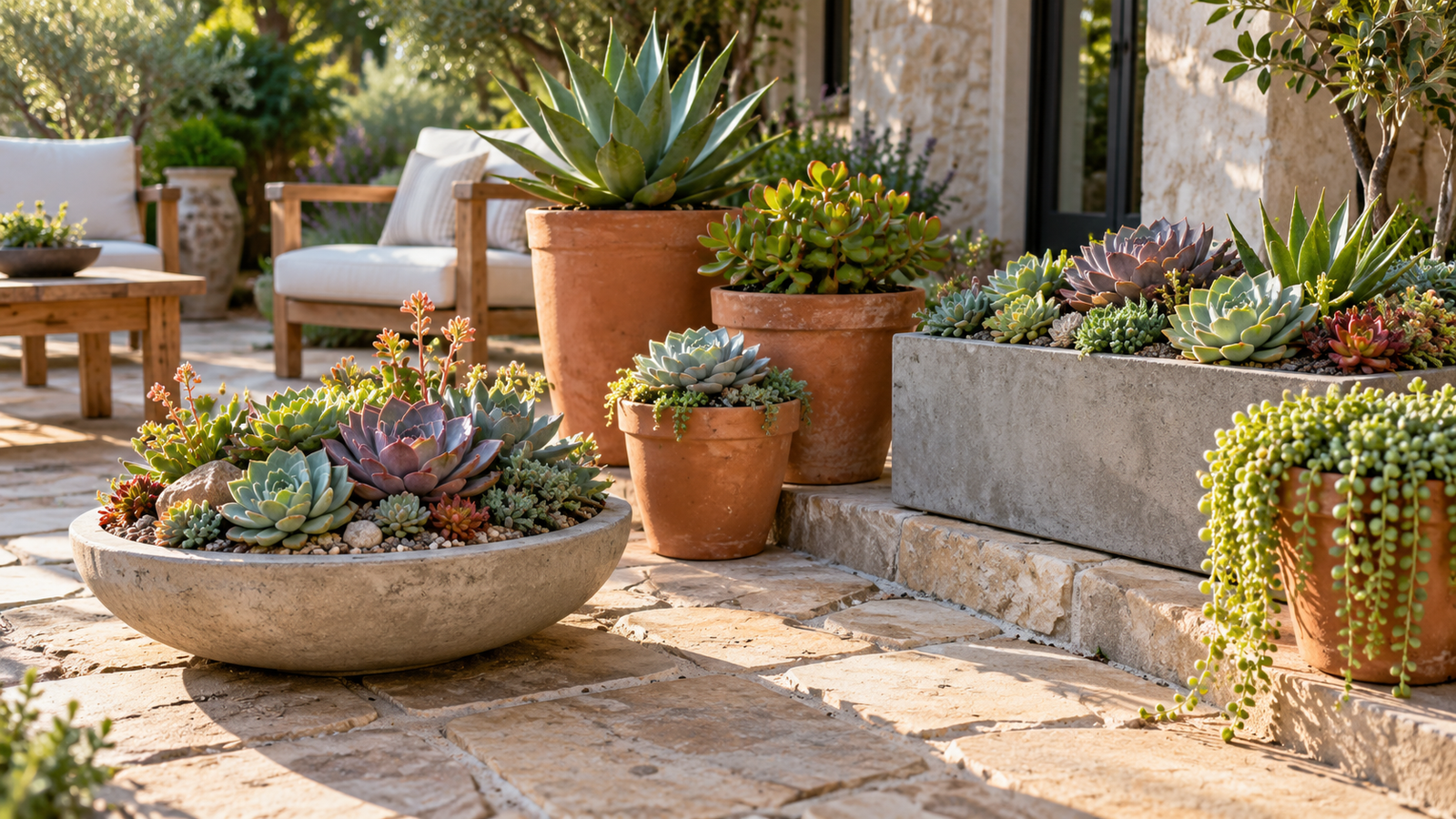
21 Outdoor Succulent Planter Ideas for Patios, Porches and Yards
Outdoor succulent planter ideas include mixed rosette bowls, terracotta groups, concrete troughs, vertical wall displays, and hanging baskets. Choose each design according to sunlight, rain exposure, drainage, and winter conditions. Explore 21 practical options, then use the planting and care...
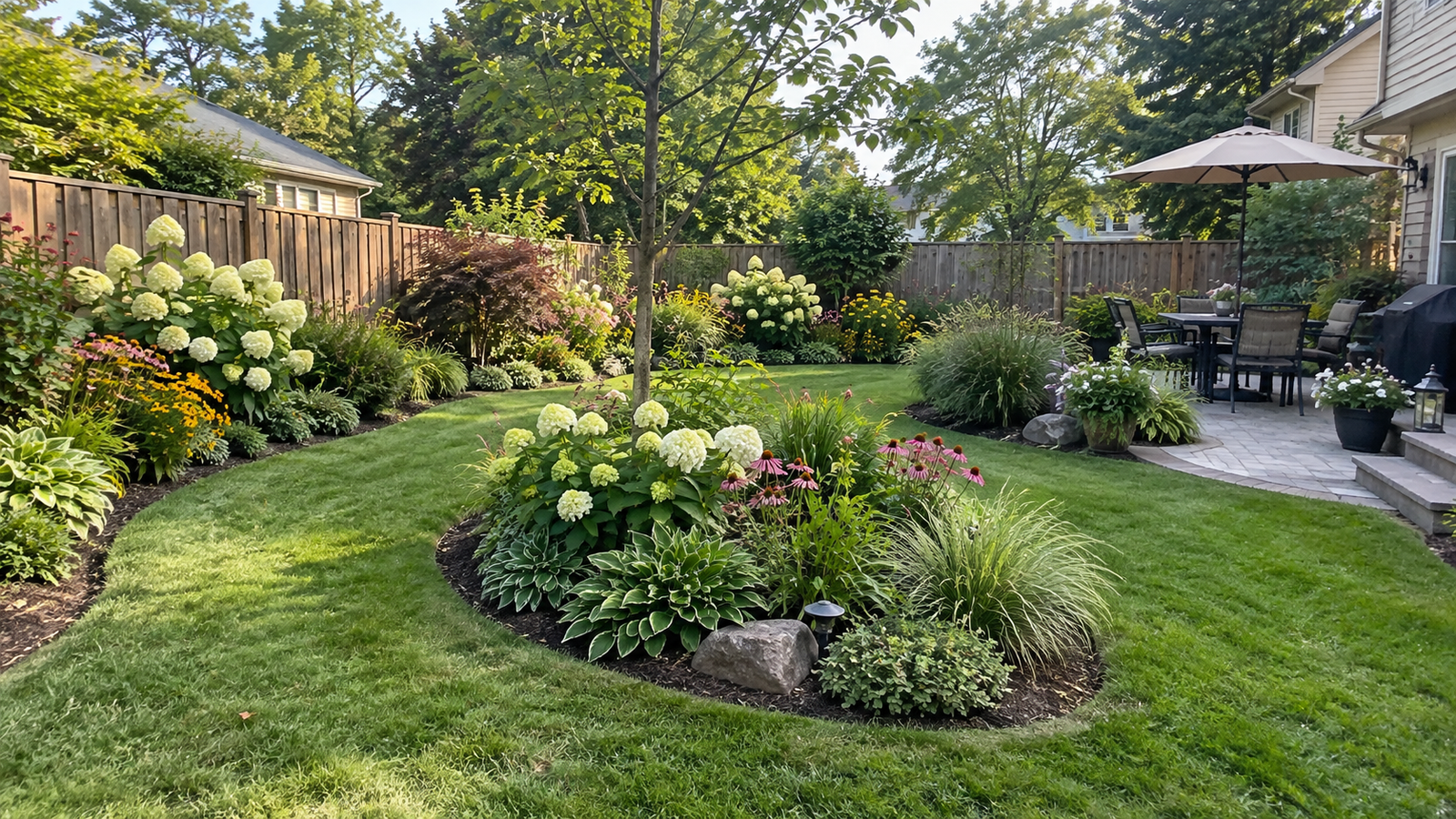
Backyard Plant Bed Ideas: 21 Layouts for Every Yard
The best backyard plant bed ideas preserve usable space while adding structure and color. Border beds frame lawns, island beds create focal points, fence beds offer screening, curved beds soften straight edges, and raised beds organize growing areas. Choose according...
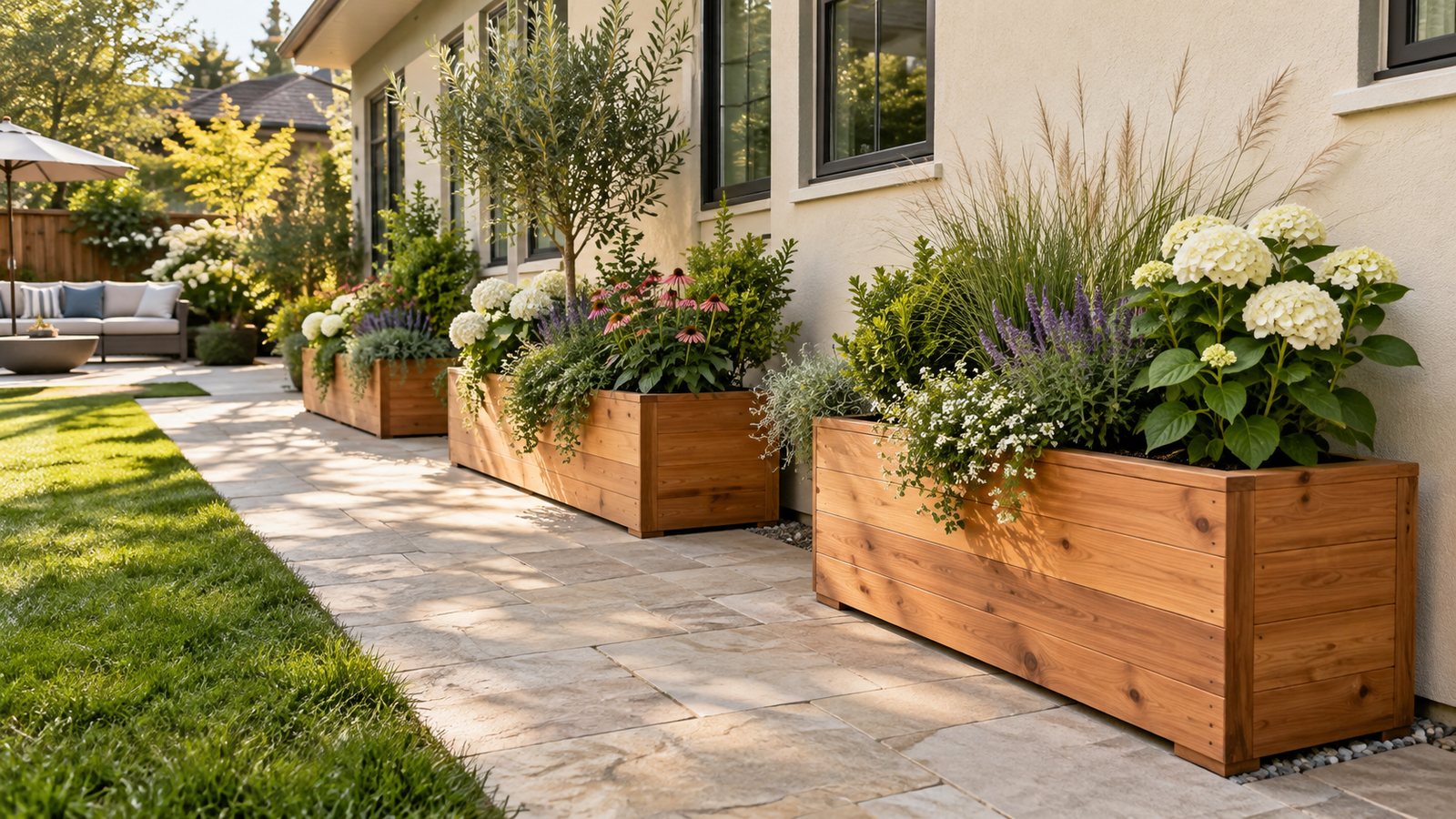
Backyard Planter Box Along House Ideas: 17 Practical Designs
The best backyard planter box along house ideas combine attractive planting with safe, practical placement. Freestanding troughs, cedar boxes, low window planters, and trellis containers can transform a plain wall without blocking access or trapping moisture. Choose a design that...
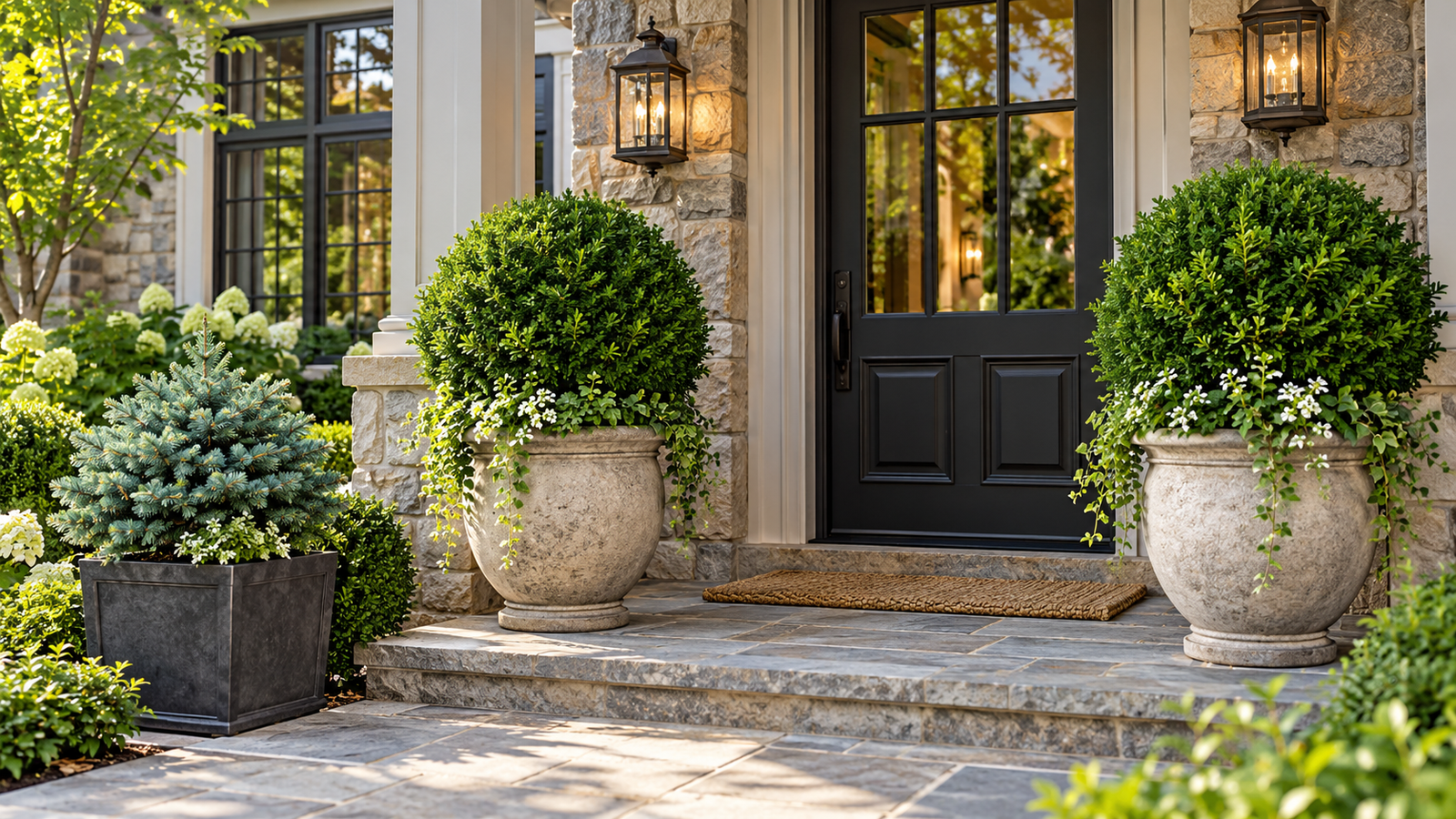
Evergreen Planter Ideas for Beautiful Outdoor Spaces Year-Round
Evergreen planter ideas bring lasting color, shape, and structure to front doors, patios, porches, and balconies. From paired entrance shrubs to low-growing junipers and decorative dwarf conifers, the right arrangement can make an outdoor space feel finished even when seasonal...
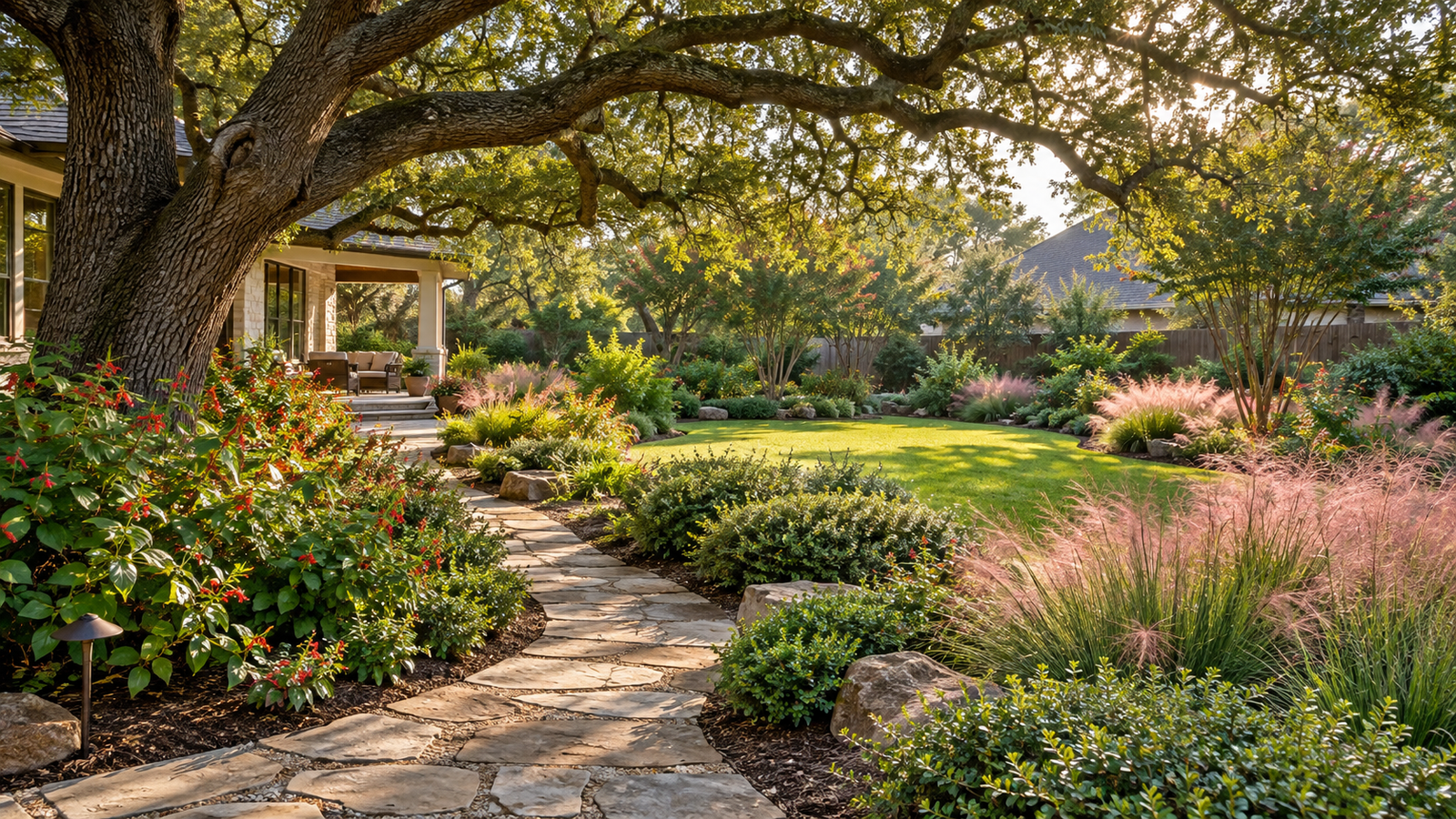
Houston Backyard Plant Ideas for Sun, Shade, Privacy, and More
The best Houston backyard plant ideas combine heat-tolerant flowers, dependable evergreen shrubs, shade-friendly natives, and plants matched to local soil. Yaupon holly provides structure, southern wax myrtle creates privacy, Turk’s cap flowers in partial shade, and Gulf muhly adds texture....
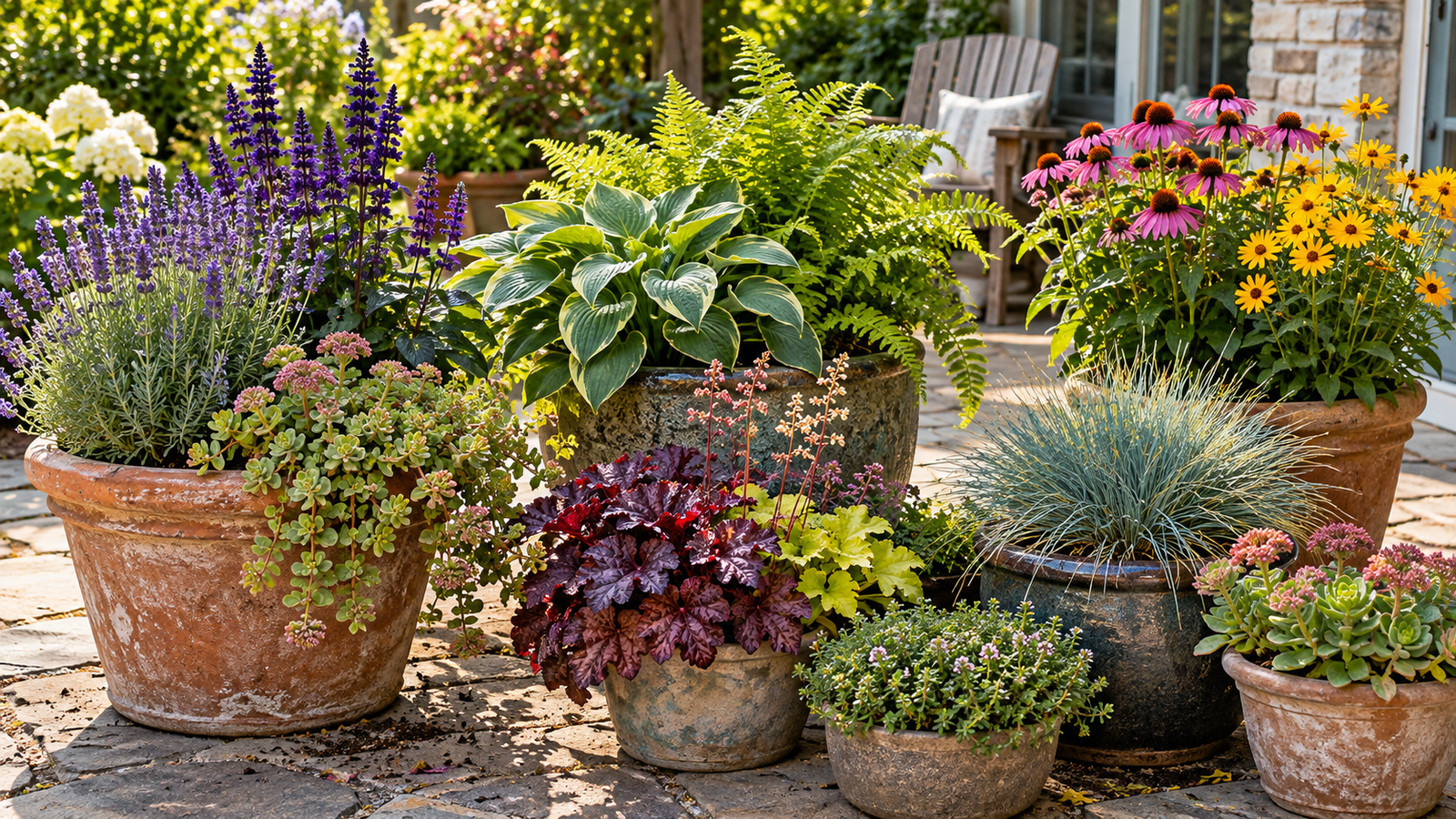
Perennial Planter Ideas
Perennial planter ideas work best when plants share the same sunlight, moisture, drainage, and growing-space requirements. Choose suitable plants and containers, and a display can return for several years with less seasonal replanting.
The secret is planning for mature growth rather...
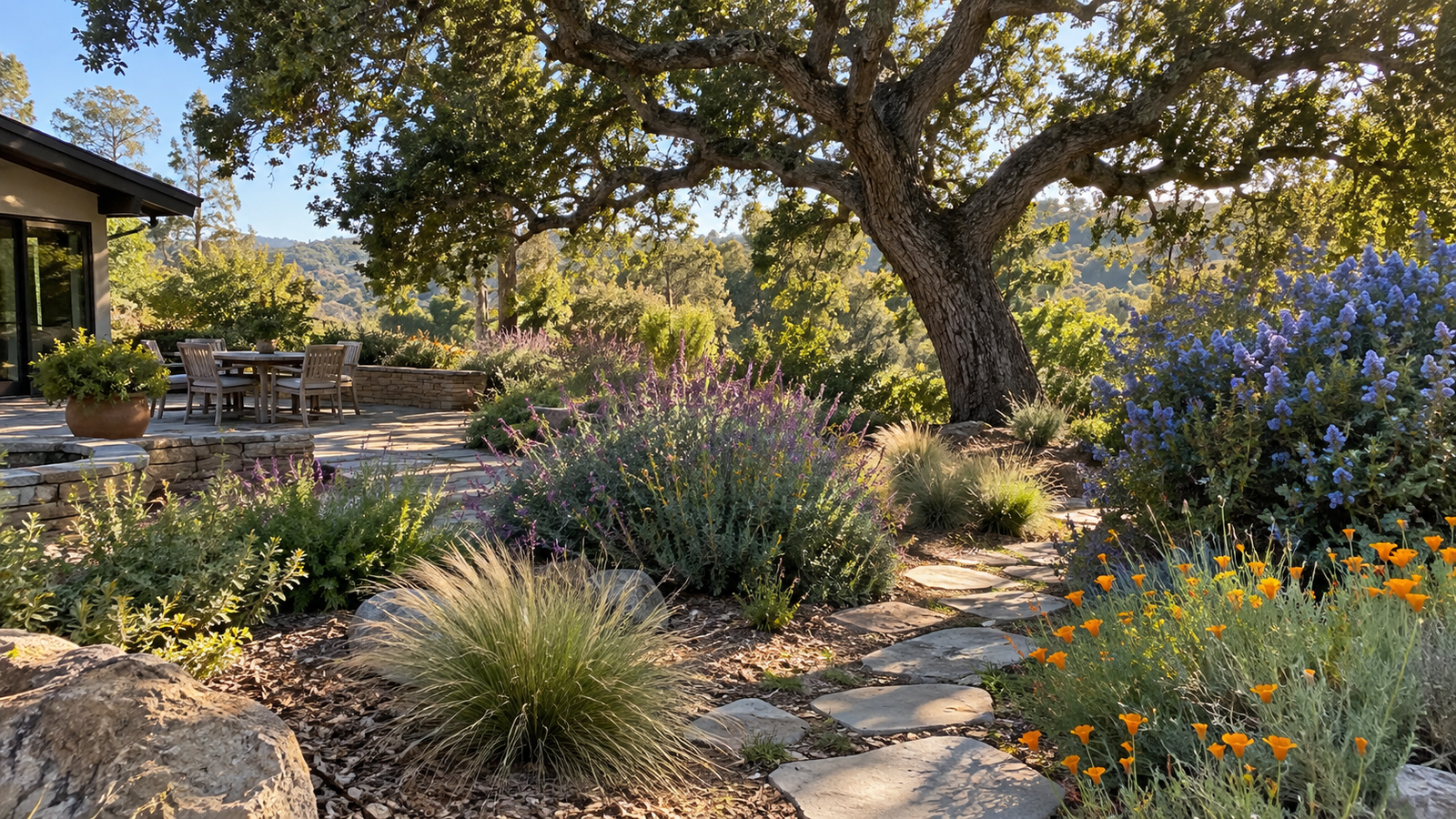
California Backyard Plant Ideas: 25 Water-Wise Choices
The best California backyard plants suit your local climate, soil, sunlight, and available water. Coast live oak, toyon, ceanothus, California fuchsia, deer grass, and native salvias can create attractive, functional landscapes where conditions match their needs. Group plants by water...
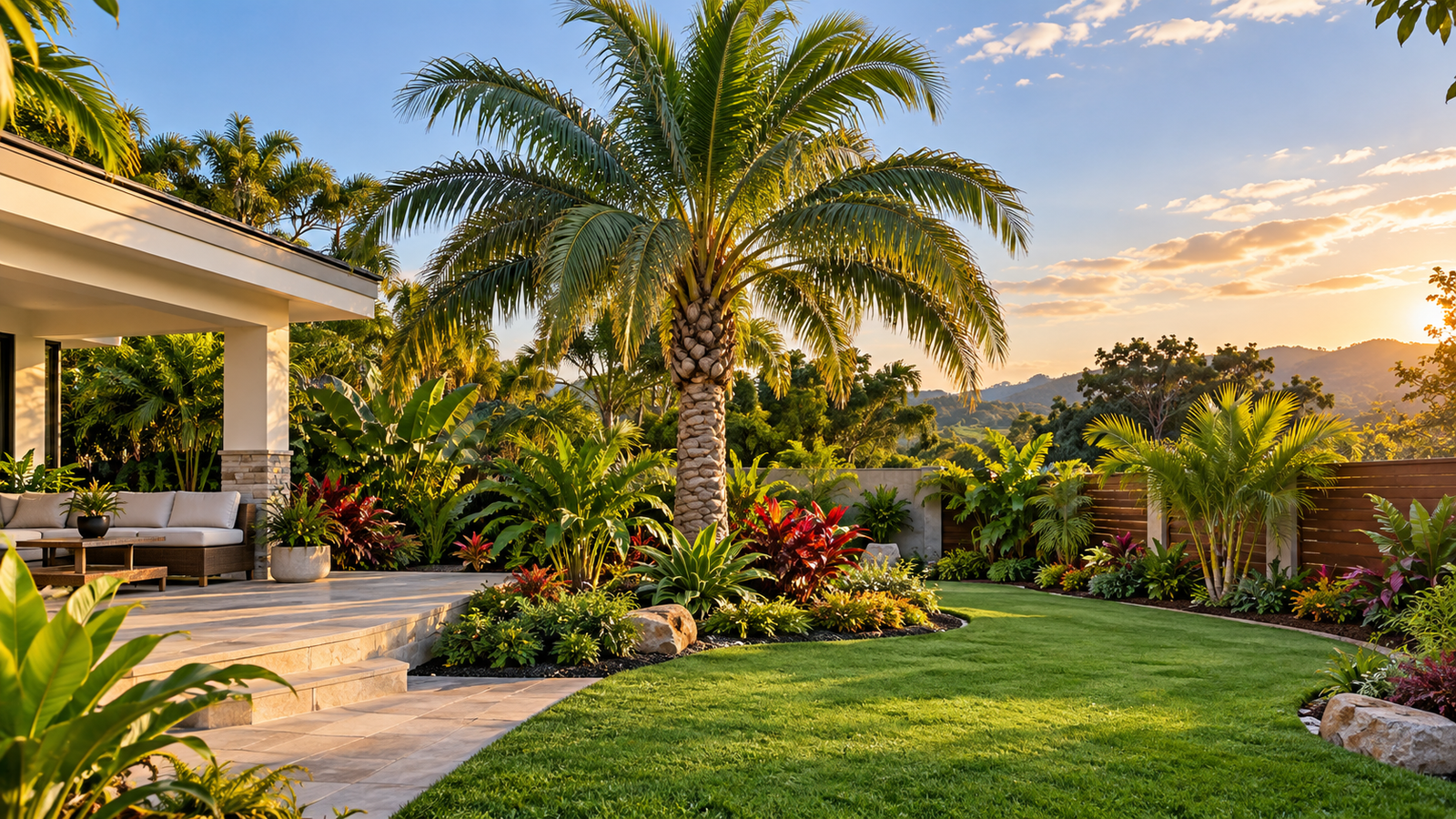
Palm Plant Ideas for Backyards: A Climate-Smart Planning Guide
Palm plant ideas for backyards work best when the palm matches your climate, mature space, sunlight, drainage, and landscape goal. Choose compact palms for small yards, clustering palms for privacy, container palms for flexibility, and solitary palms when you want...
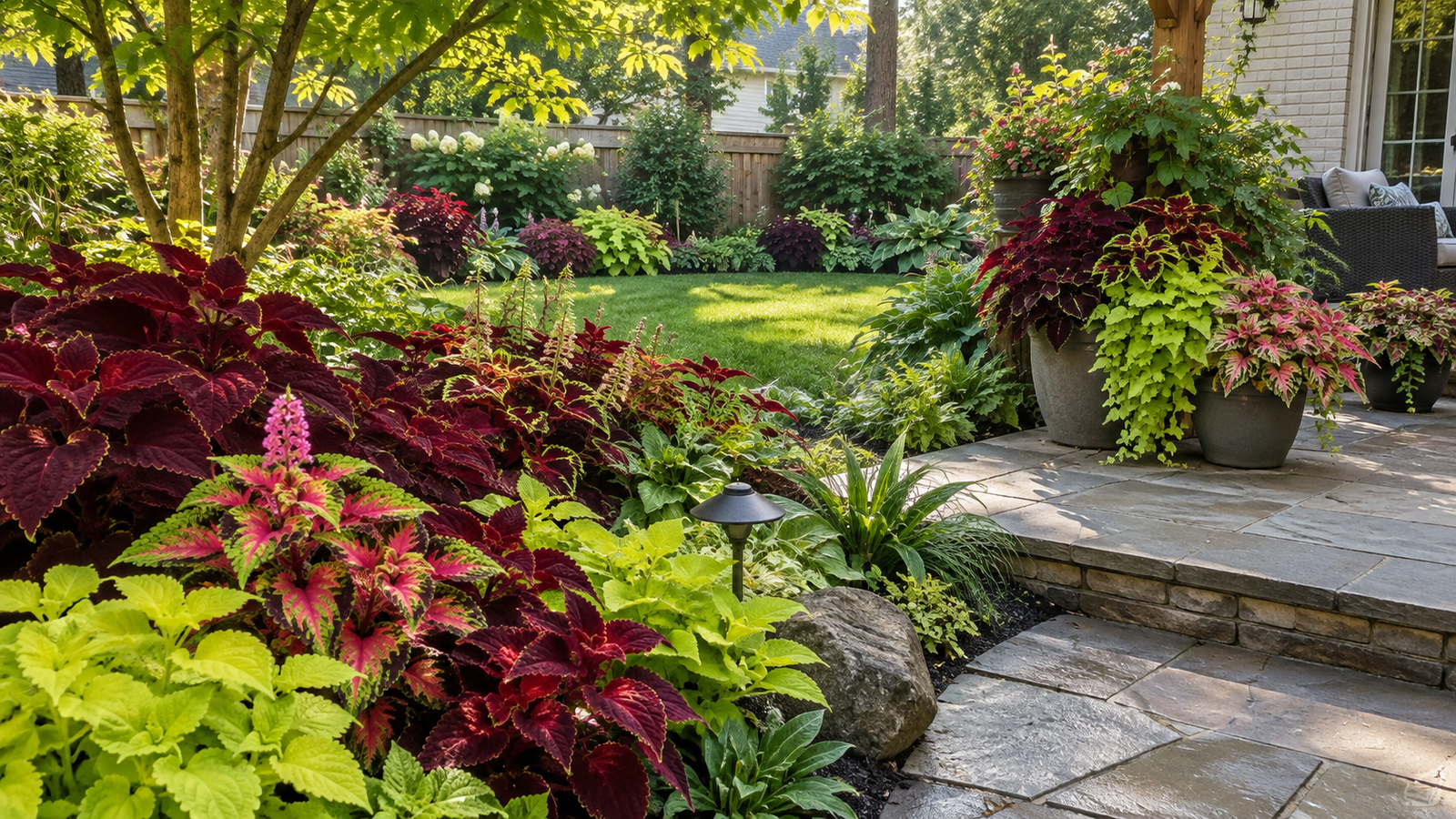
Backyard Planting Ideas With Coleus
Backyard planting ideas with coleus include layered shade borders, mass plantings, pathway edging, patio pots, tropical foliage beds, under-tree containers, and burgundy or lime focal plants. Match the cultivar's mature size, growth habit, and light tolerance to the site first,...
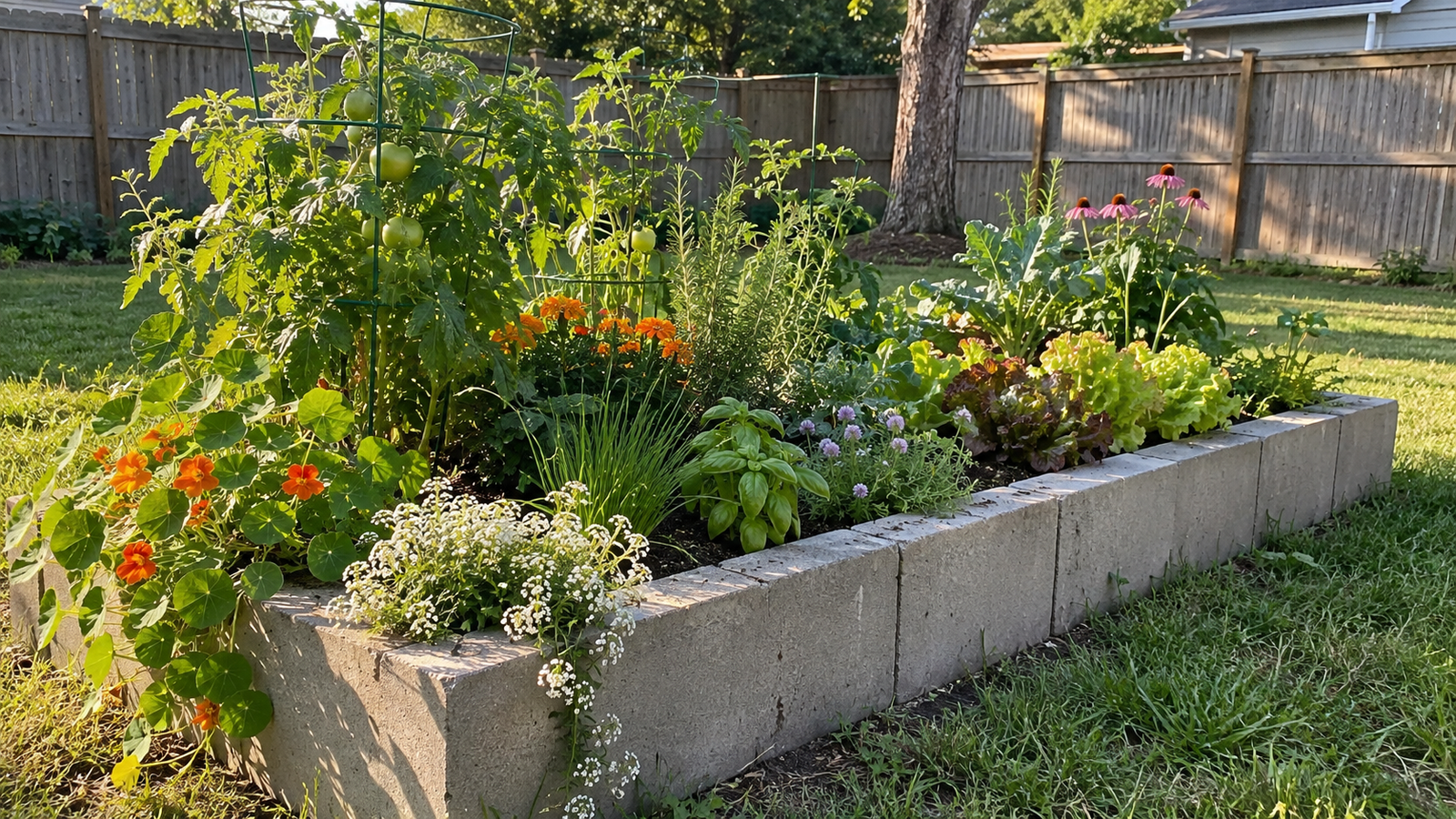
Cinder Block Planter Ideas
Cinder block planter ideas offer a practical way to grow flowers, herbs, vegetables, succulents, or ornamental plants without complicated construction. Low raised beds, narrow fence planters, stepped corner designs, and compact vertical arrangements work especially well because they balance growing...