

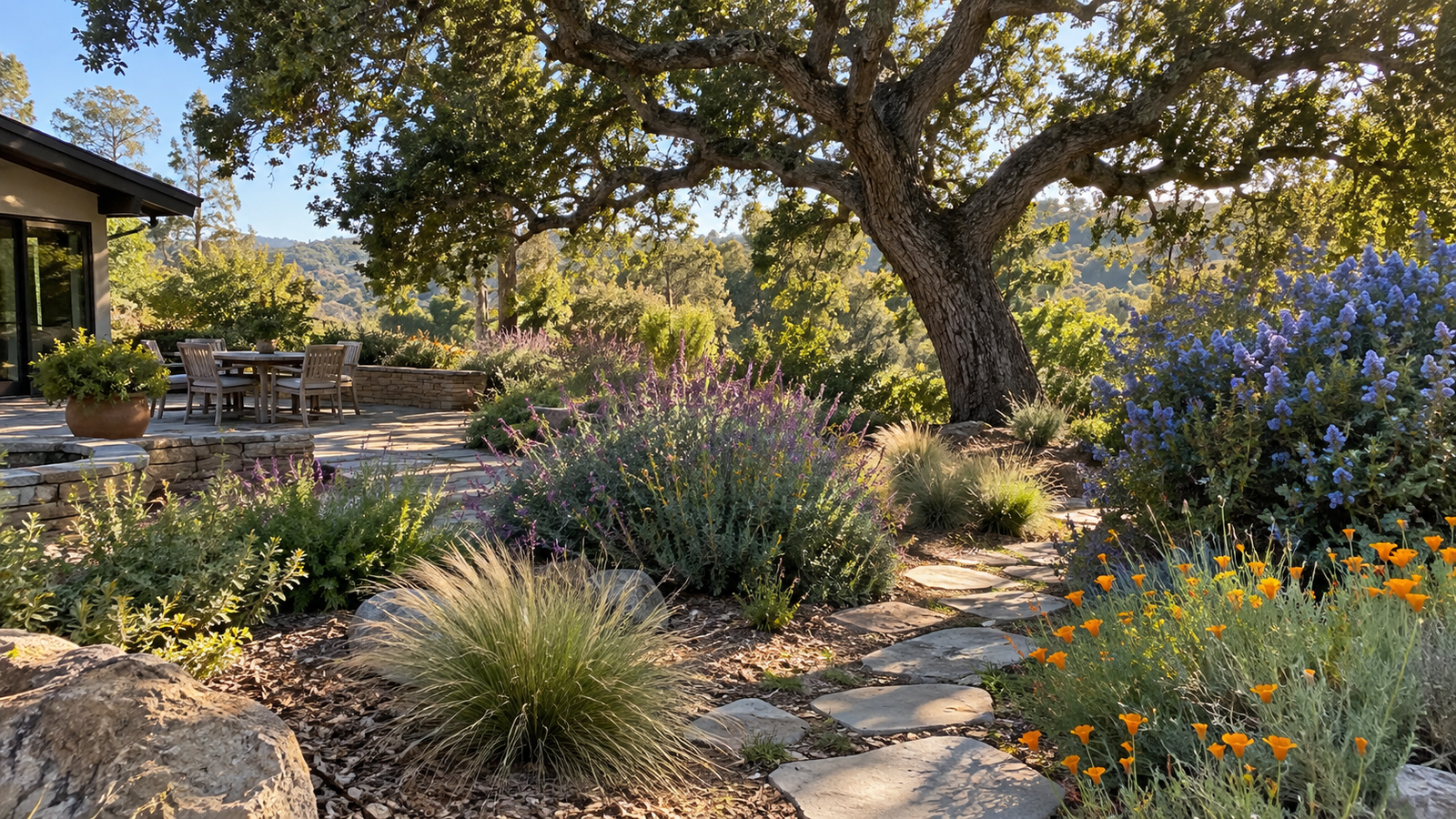
The best California backyard plants suit your local climate, soil, sunlight, and available water. Coast live oak, toyon, ceanothus, California fuchsia, deer grass, and native salvias can create attractive, functional landscapes where conditions match their needs. Group plants by water needs rather than relying on drought-tolerant labels.
California stretches from foggy coastlines to hot inland valleys and deserts. Suitability changes by location. Use these 25 choices, along with practical planting and maintenance guidance, to plan a backyard that looks good beyond its first season.
How to Choose California Backyard Plants?
Start with the site, not a plant-shopping list. Record how much direct sunlight different beds receive, especially during hot afternoons. Check drainage after rain or irrigation: lingering puddles suggest conditions that many dryland species dislike. Consider wind, reflected heat, and tree roots.
Before buying, answer five questions:
- Where will it grow? Match species to your coastal, inland, foothill, or desert conditions.
- How large will it get? Allow for mature canopy, root space, and walking clearance.
- What water will it need? Separate plants with different summer irrigation requirements.
- What should it do? Prioritize shade, privacy, flowers, wildlife habitat, or soil coverage.
- Can you maintain it? Account for seasonal pruning, leaf litter, spines, and establishment watering.
Prefer suitable local natives, remembering that placement matters more than plant count. Before buying several specimens, sketch their mature outlines on a simple scale plan. This quickly reveals where a tree could shade a patio, where shrubs might block a gate, and where future pruning would become difficult.
Which Plants Suit Your California Region?
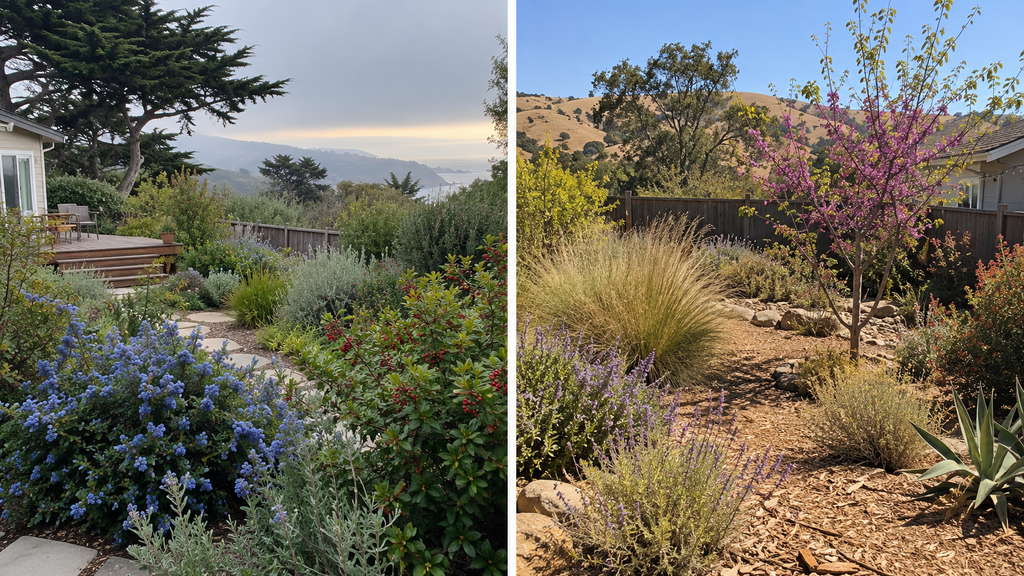
California’s gardening climates differ. Yard exposure, elevation, and soil shape final choices.
Coastal California Plants
Coastal gardens can experience mild temperatures, fog, wind, and salt exposure. Locally suitable ceanothus, toyon, California fuchsia, and certain manzanitas can provide flowers and structure. Verify salt tolerance on exposed sites. Some gardens just a few blocks inland experience substantially less salt and wind than oceanfront properties, so observe the site rather than selecting solely by county.
Inland Valley California Plants
Hot summers and reflected sunlight favor appropriately selected native salvias, deer grass, yarrow, and shade trees with enough growing room. Protect sensitive plants from reflected heat and plan establishment irrigation.
Southern California Plants
Southern California includes cool coastal neighborhoods, inland valleys, and true desert environments. Desert willow, blue palo verde, red yucca, and suitable agaves fit some hot, well-drained sites; not all suit coastal gardens.
Northern California Plants
Northern California includes wet coastal areas, dry interior valleys, foothills, and freezing mountain locations. Western redbud, manzanita, native grasses, and woodland species should be selected for the specific setting, especially where frost or prolonged winter moisture occurs.
How Can You Find Locally Native California Plants?
Use Calscape to filter by local habitat, sunlight, drainage, and size. Verify botanical names. Statewide natives may not suit your neighborhood.
How Do California Backyard Plants Compare?
Compare native status and landscape roles below. For genera, native status depends on species.
| Plant | Native to California? | Best Use |
|---|---|---|
| Coast live oak | Yes | Large-scale shade |
| Blue palo verde | Southeastern deserts | Light desert shade |
| Desert willow | Desert regions | Flowering small tree |
| Olive tree | No | Mediterranean accent |
| Western redbud | Yes | Spring color |
| Ceanothus | Selected species | Flowering screen |
| Manzanita | Selected species | Evergreen structure |
| Toyon | Yes | Natural privacy |
| California sagebrush | Yes | Dryland texture |
| Texas ranger | No | Flowering shrub |
| California fuchsia | Yes | Hummingbird flowers |
| Yarrow | Native forms | Meadow border |
| California poppy | Yes | Seasonal wildflowers |
| Penstemon | Selected species | Pollinator flowers |
| Salvia | Selected species | Fragrant flowering |
| Deer grass | Yes | Large grass accent |
| Blue fescue | No | Compact edging |
| Muhly grass | Species-dependent | Airy flower plumes |
| Lavender | No | Fragrant borders |
| Rosemary | No | Evergreen herbs |
| Agave | Species-dependent | Sculptural accent |
| Aloe | No | Container accent |
| Red yucca | No | Flower stalks |
| Creeping thyme | No | Light-traffic groundcover |
| California wild strawberry | Native forms | Shade groundcover |
Water needs vary by species and region. Check UC Davis WUCOLS for regional classifications. Treat this table as a shortlist, not a planting guarantee: a cultivar’s eventual size and local nursery availability can change the final selection.
What Are the 25 Best California Backyard Plants?
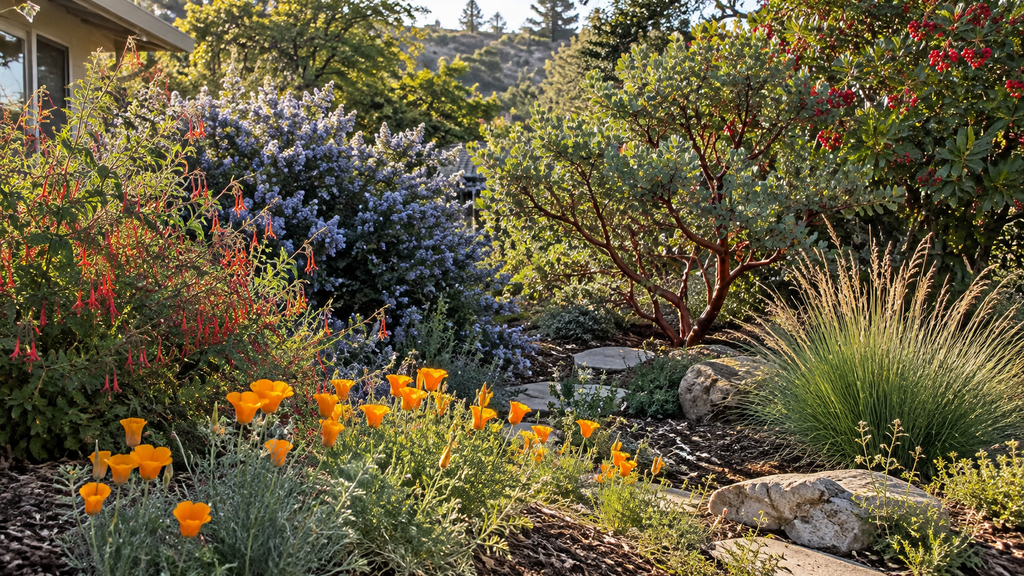
These plants offer structure, flowers, habitat, and water-saving potential. Verify the species or cultivar for your site.
1. California Live Oak
Coast live oak (Quercus agrifolia) is a long-lived evergreen native that provides broad shade and wildlife habitat. Give its broad canopy ample space. Protect roots from excavation and excessive summer water.
2. Blue Palo Verde
Blue palo verde (Parkinsonia florida) has green bark, delicate foliage, and yellow spring flowers. Native to southeastern desert regions, it creates filtered shade without a dense canopy. Provide sun, drainage, and clearance from paths because of thorns.
3. Desert Willow
Desert willow (Chilopsis linearis) suits hot, sunny backyards where a smaller flowering tree makes sense. Its trumpet-shaped blossoms attract hummingbirds, and its open crown offers light summer shade. It drops leaves, so it cannot provide year-round screening.
4. Olive Tree
Olive (Olea europaea) provides silver foliage and a Mediterranean appearance in sunny, well-drained soil. However, fruiting olives can escape cultivation in parts of California. Near natural spaces, consider native alternatives or a verified seedless cultivar; allow for size and litter.
5. Western Redbud
Western redbud (Cercis occidentalis) offers pink spring flowers and attractive rounded leaves. This native small tree or large shrub works in suitable foothill and inland locations where seasonal interest matters more than dense shade. Check drainage and mature spread.
6. Ceanothus (California Lilac)
Ceanothus includes California native shrubs and groundcovers with blue, purple, or white flowers. Many provide evergreen screening and spring food for pollinators. Choose a named species or cultivar: size, exposure, and summer-water tolerance vary.
7. Manzanita
Manzanitas (Arctostaphylos species) bring reddish bark, leathery foliage, and small bell-shaped flowers. Forms range from spreading groundcovers to sizable shrubs. Many prefer well-drained soil and restrained summer watering after establishment. Check mature dimensions before planting.
8. Toyon
Toyon (Heteromeles arbutifolia) is an evergreen native shrub with white flowers and red berries valued by birds. It makes a natural privacy screen or backdrop in suitable locations. Allow its broad branching form to develop, and avoid forcing it into narrow hedges.
9. California Sagebrush
California sagebrush (Artemisia californica) has aromatic gray-green foliage and a loose, naturalistic shape. It suits sunny, dry coastal-sage-scrub-style gardens and open slopes. Allow its natural spread and avoid saturated soil.
10. Texas Ranger
Texas ranger (Leucophyllum frutescens) is a non-native shrub with silvery leaves and purple flowers. It adds color to hot, sunny, well-drained California gardens where a structured dryland planting is wanted. Avoid wet planting beds; flowering and size vary by cultivar.
11. California Fuchsia
California fuchsia (Epilobium canum) produces vivid tubular flowers that support hummingbirds, often late in the season. Use it in suitable sunny borders, slopes, or native beds with good drainage. Seasonal cutting back may renew growth.
12. Yarrow
Yarrow (Achillea millefolium) has finely divided leaves and flat-topped flower clusters. Native forms fit informal meadows, pollinator borders, and mixed perennial plantings. Hot inland sites may need more water than coastal ones.
13. California Poppy
California poppy (Eschscholzia californica) brightens sunny, well-drained beds with orange flowers and feathery foliage. Sow seeds at an appropriate season, often fall in winter-rainfall areas. Displays are seasonal; plants may reseed.
14. Penstemon
Penstemons offer upright flower spikes that attract hummingbirds and other pollinators. California native species can suit rock gardens or mixed borders, but they differ in height, drainage, and moisture tolerance. Match the species to your watering zone.
15. Salvia
Salvias include aromatic native shrubs as well as non-native ornamentals. California black sage and Cleveland sage can supply flowers and habitat in appropriate dryland landscapes. Some varieties become broad or partly dormant in summer, so account for growth cycles and water needs.
16. Deer Grass
Deer grass (Muhlenbergia rigens) forms substantial clumps with arching leaves and tall flowering stalks. It softens patios and gives movement to sunny native landscapes. Leave ample width at maturity; it is not a compact edging grass.
17. Blue Fescue
Blue fescue (Festuca glauca) offers tidy blue-gray mounds for small borders and containers. It looks attractive beside flowering plants but may decline in intense inland heat or poorly drained soil. Prefer mild summers or afternoon protection.
18. Muhly Grass
Muhly grasses produce fine foliage and airy flowering plumes. Common pink muhly (Muhlenbergia capillaris) is ornamental but not California native. Its soft display suits sunny, well-drained beds with enough space for mature clumps. Verify species and native status.
19. Lavender
Lavender (Lavandula species) adds fragrant foliage and flowers near sunny paths or seating areas. It needs excellent drainage and generally dislikes persistently wet roots. Different species tolerate heat, frost, and humidity differently, so match the species to local conditions.
20. Rosemary
Rosemary (Salvia rosmarinus) offers evergreen texture, culinary sprigs, and aromatic leaves. Upright cultivars work as informal hedges; trailing forms soften low walls. Plant in sun with good drainage, leave sufficient width, and avoid overwatering established plants.
21. Agave
Agaves create bold architectural rosettes in sunny, well-drained landscapes. Species vary greatly in mature size and winter hardiness. Sharp terminal spines can make some unsuitable near narrow paths or play areas. Check species-specific safety and cold tolerance.
22. Aloe
Aloes add succulent foliage and, in many species, colorful flowering stalks. Smaller types suit patio containers, while larger ones anchor mild-climate gardens. Most commonly cultivated aloes are non-native and some suffer frost damage, so protect frost-sensitive species.
23. Red Yucca
Red yucca (Hesperaloe parviflora) is a non-native accent with arching narrow leaves and tall flowers attractive to hummingbirds. It handles heat in sunny, well-drained locations. Allow room for extended flower stalks and keep paths clear.
24. Creeping Thyme
Creeping thyme (Thymus species) forms a fragrant, low mat between stepping stones or along borders. It prefers sun and good drainage but may need supplemental water in hot regions. It tolerates occasional foot traffic but not constant walking.
25. California Wild Strawberry
California native strawberries can cover soil beneath suitable shrubs. Woodland strawberry (Fragaria vesca subsp. californica) often suits cooler partial shade, while beach strawberry (Fragaria chiloensis) has different coastal preferences. Neither belongs automatically in a succulent irrigation zone.
Which Plants Suit Your Backyard Goals?
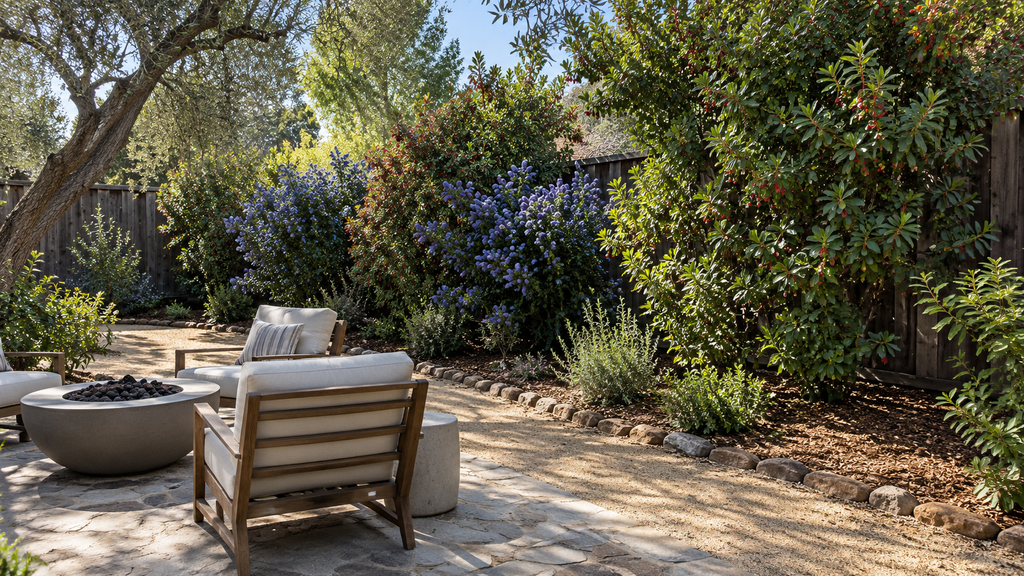
Select compatible plants by purpose.
Which Plants Provide Shade?
Coast live oak offers broad, lasting shade where ample space exists. Desert willow provides lighter seasonal shade in hot regions; western redbud works as a smaller flowering accent. Consider roots and leaf drop.
Which Plants Provide Privacy?
Toyon and appropriately sized evergreen ceanothus can create natural screening. Combine staggered shrubs instead of forcing plants into a tight row. Maintain the separation required near structures in fire-prone areas.
Which Plants Attract Pollinators?
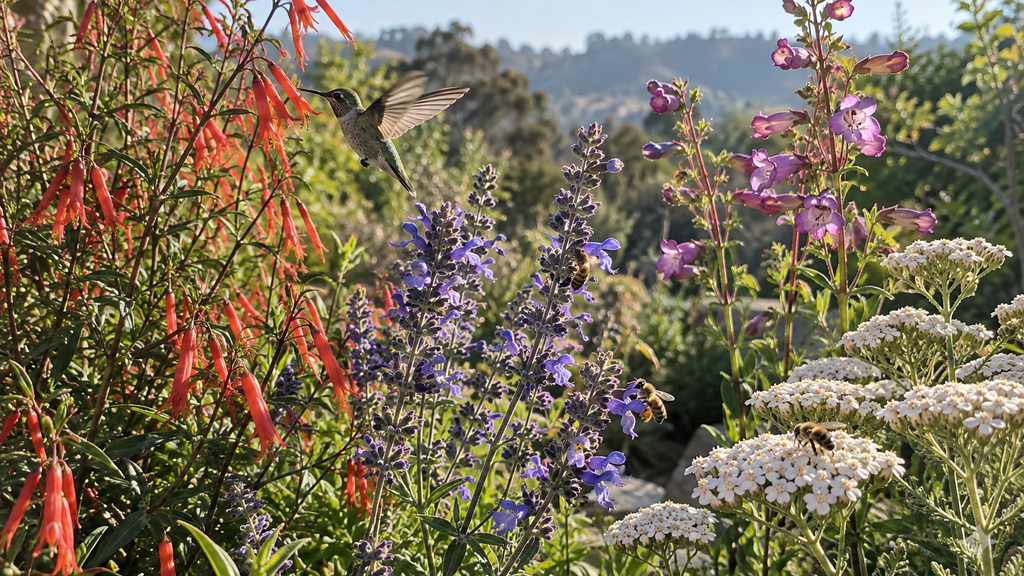
California fuchsia, native salvias, penstemons, and yarrow provide flowers for different wildlife visitors. Stagger bloom times for seasonal interest.
Which Plants Suit Small Backyards?
Try compact salvias, low-growing manzanita cultivars, rosemary, or appropriately sized succulents. Check mature widths and use containers where soil space is limited.
Which Plants Grow in Shade?
Woodland strawberry and locally suitable heucheras may suit shaded beds. Dry shade beneath established trees differs from cool, moist shade, so choose according to root competition and summer soil moisture.
Which Plants Work in Containers?
Rosemary, lavender, compact salvias, and small aloes can grow in well-drained pots. Containers dry faster than ground soil; check moisture more often during heatwaves.
Which Plants Stay Green Year-Round?
Toyon, many ceanothus and manzanita varieties, coast live oak, and rosemary offer evergreen structure. Select them for the available growing space rather than expecting every evergreen to form a narrow screen.
How to Design a Water-Wise Backyard?
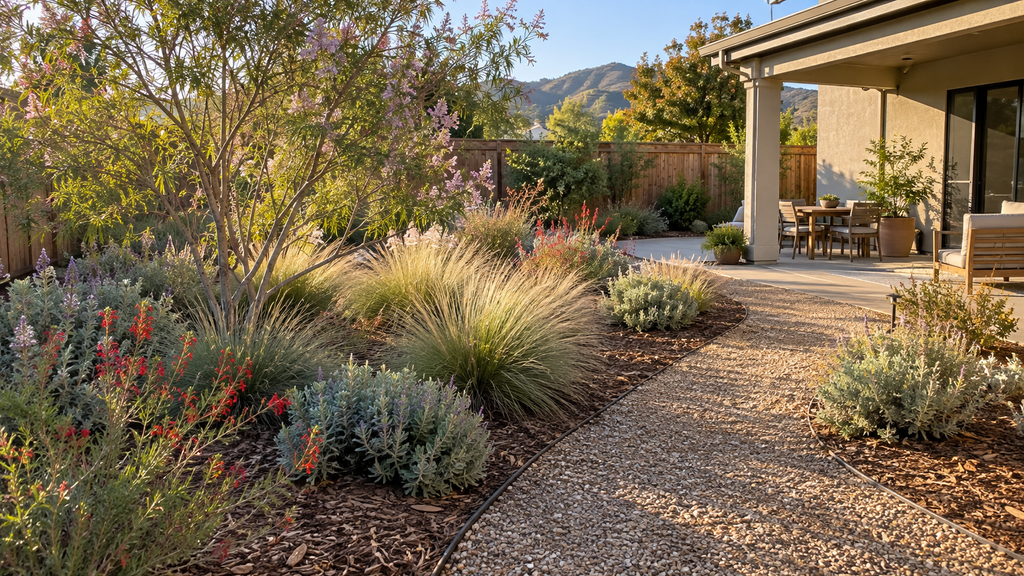
Water-wise landscaping combines plant selection with thoughtful layout. Group species by similar irrigation needs, often called hydrozoning, and separate moisture-loving woodland plants from dryland shrubs. Keep tree roots, pathways, and seating areas in the plan before filling gaps with smaller plants.
For a coastal backyard, pair a locally suitable toyon or ceanothus with California fuchsia and a compatible groundcover in a separate moisture zone. Account for wind and salt exposure.
For a hot inland backyard, use an appropriately sized tree where shade is needed, then add deer grass and heat-suitable salvias. Put taller plants where they provide useful shade without crowding paths, and leave room for irrigation maintenance. Avoid crowding west-facing walls, where reflected heat can damage sensitive plants.
For a desert-influenced backyard, combine a suitable desert willow or palo verde with red yucca and carefully selected agaves. Select plants with similar root-zone moisture needs and avoid creating a rocky surface that reflects excessive heat onto sensitive foliage. Keep sharp plants away from paths and allow open spacing.
Mulch appropriate planting beds to reduce evaporation, but use noncombustible landscaping near buildings where fire-safety guidance calls for it. Repeat compatible plants for a cohesive design.
How to Prepare Soil for California Plants?
Good planting soil must drain appropriately for the species. A simple observation test is to water an empty planting area thoroughly and see whether it remains soggy long afterward; persistent saturation deserves attention before installing drought-adapted plants. Check how long water remains after irrigation and whether compaction prevents roots from expanding. Do not automatically add compost or fertilizer: many California natives are adapted to relatively lean native soils.
In clay soil, prioritize species that tolerate slower drainage. Address persistent waterlogging before planting dryland shrubs; raised areas may help when designed correctly.
In sandy soil, choose species comfortable with rapid drainage and mulch where suitable to limit evaporation. Organic amendments are not necessary for every native dryland bed.
In compacted soil, protect existing tree roots, minimize foot traffic, and correct severe compaction before installing new plants. Use existing soil for backfill unless a particular site problem or species requires otherwise.
When to Plant California Backyard Plants?
Fall and early winter are generally best for many California natives in winter-rainfall regions. Cooler temperatures and seasonal rain help roots develop before summer. In freezing mountain areas or deserts, planting windows may differ.
| Season | Main Consideration |
|---|---|
| Fall | Often ideal for native establishment |
| Winter | Suitable where soil is unfrozen and workable |
| Spring | Possible with attentive irrigation |
| Summer | Greater heat and transplant stress |
Dig a hole wider than the root ball, but no deeper than needed for correct planting height. Set the crown at the appropriate level, backfill, and water thoroughly. Apply suitable mulch without piling it against stems or trunks. Inspect root-zone moisture during establishment instead of assuming seasonal rainfall is sufficient. If a nursery plant has tightly circling roots, follow species-appropriate transplant guidance rather than burying the problem under extra soil.
How to Water California Backyard Plants?
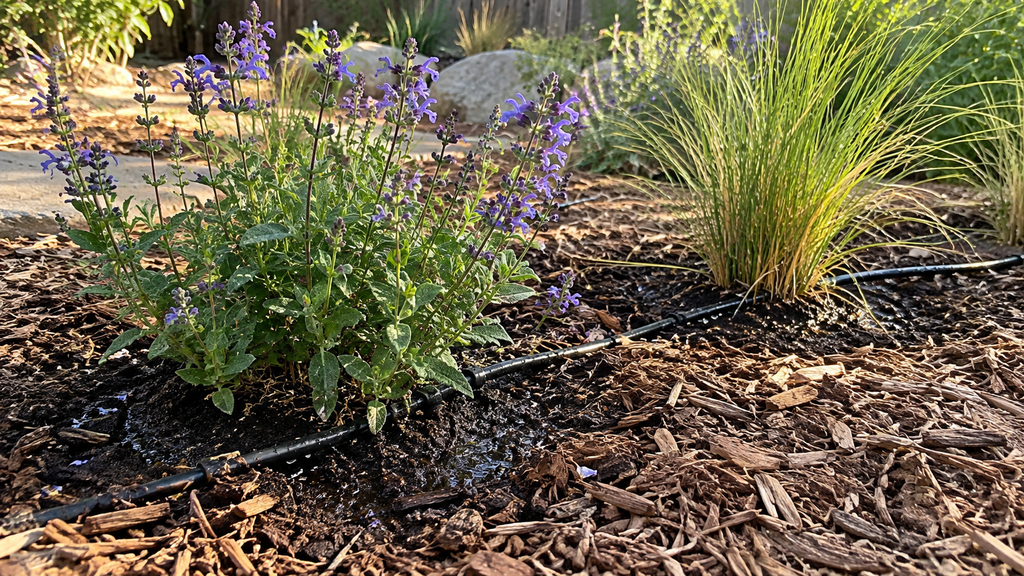
Newly planted drought-tolerant species still need water while roots grow beyond the original container soil. Many require supplemental irrigation through their first one or two dry seasons; larger trees may take longer.
Water slowly enough to moisten the developing root zone, then allow drying appropriate to the species. Drip irrigation can deliver water efficiently when emitters cover the growing root area and are adjusted as the plant becomes larger. Check beneath mulch before watering again. Sandy beds may dry quickly, while clay can remain wet long after the surface looks dry.
Once established, adjust irrigation by plant type and location. Frequent summer watering can harm some dryland natives, while woodland groundcovers may need more moisture. Use WUCOLS classifications to plan compatible irrigation groups.
Wilting or brown leaves can signal heat stress, root damage, insufficient water, or overwatering. Check soil conditions before increasing irrigation. Also look for blocked emitters, runoff, or water pooling at the crown; these mechanical problems can mimic a plant-health issue even when the watering timer appears correct.
Which California Plants Need Extra Caution?
Some attractive plants are poor choices for particular spaces. Fruiting olive trees can spread beyond gardens, so assess local invasive concerns and consider native alternatives or verified seedless cultivars. Agaves may have sharp spines unsuitable beside narrow paths, while some aloes are frost-sensitive.
Blue fescue can struggle in inland heat, and creeping thyme is not a hard-wearing lawn replacement. Large plants also deserve scrutiny: coast live oak needs long-term canopy and root space, and deer grass develops a wider clump than its nursery pot suggests.
Always verify mature dimensions, climate tolerance, and potential hazards before purchasing.
How to Create a Fire-Safer Backyard?
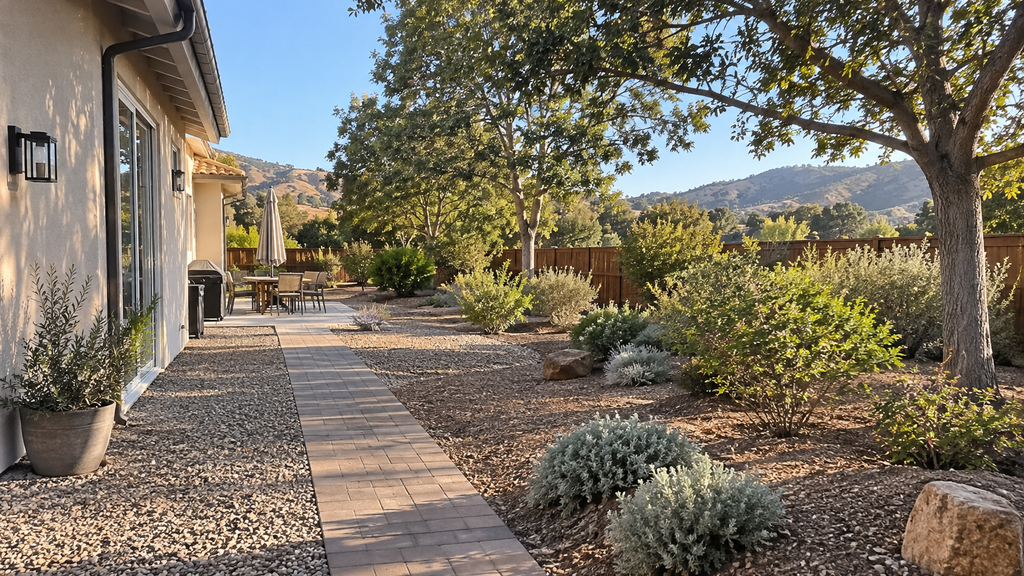
No landscape plant is fireproof, and drought tolerance does not equal fire resistance. Safety depends on spacing and reducing combustibles near buildings.
CAL FIRE emphasizes the first five feet around structures, where noncombustible surfaces such as gravel or pavers can reduce ember ignition risk. Remove dry foliage, clear gutters, and prevent continuous vegetation from connecting shrubs to tree canopies. Consult CAL FIRE’s defensible-space guidance and current local requirements; legal rules vary and can change. A tidy, well-spaced garden still needs seasonal inspection, particularly before periods of dry wind when dead leaves and debris accumulate quickly.
What Are Common California Backyard Plant Questions?
What Are the Best Plants for a California Backyard?
Toyon, ceanothus, California fuchsia, deer grass, and native salvias can work well in suitable regions. Match each to your climate, sunlight, drainage, and space.
Which California Backyard Plants Need the Least Water and Maintenance?
California sagebrush, selected manzanitas, ceanothus, and deer grass may need little supplemental water once established. Local suitability matters more than a general drought-tolerant label.
What Plants Grow Best in Hot California Backyards?
Desert willow, blue palo verde, red yucca, and selected agaves suit appropriate hot, sunny sites. Check winter temperature tolerance and drainage before planting.
What Are the Best Plants for Shady California Backyards?
Native woodland strawberry and suitable heucheras can grow in shade. Choose according to soil moisture, root competition, and local climate.
What Are the Best Plants for Small California Backyards?
Compact salvias, small manzanita cultivars, rosemary, and suitable groundcovers can fit limited spaces. Check mature dimensions and consider containers.
What Are the Best Privacy Plants for California Backyards?
Toyon and appropriately selected evergreen ceanothus make useful natural screens. Allow growing room and follow defensible-space guidance near buildings.
What Can Replace Grass in a California Backyard?
Yarrow, suitable native sedges, and low-growing groundcovers can reduce traditional lawn area. Not every alternative tolerates regular walking or the same irrigation schedule.
When Is the Best Time to Plant California Native Plants?
Fall and early winter are generally favorable in winter-rainfall regions. Cooler weather helps roots establish before summer heat.
How Often Should You Water Newly Planted California Plants?
Check root-zone moisture and adjust for soil, weather, and species. Many need supplemental irrigation during their first one or two dry seasons.
Are Drought-Tolerant California Plants Fire-Resistant?
Not necessarily. No plant is fireproof; vegetation spacing, maintenance, and noncombustible materials near buildings matter more than a drought-tolerant label.
Choose a few plants that suit your particular yard instead of trying to grow every attractive species. Confirm local climate, mature size, soil drainage, water compatibility, and proximity to structures. With a suitable planting season and careful establishment, a California backyard can provide long-lasting beauty, useful outdoor space, and wildlife value without excessive irrigation.

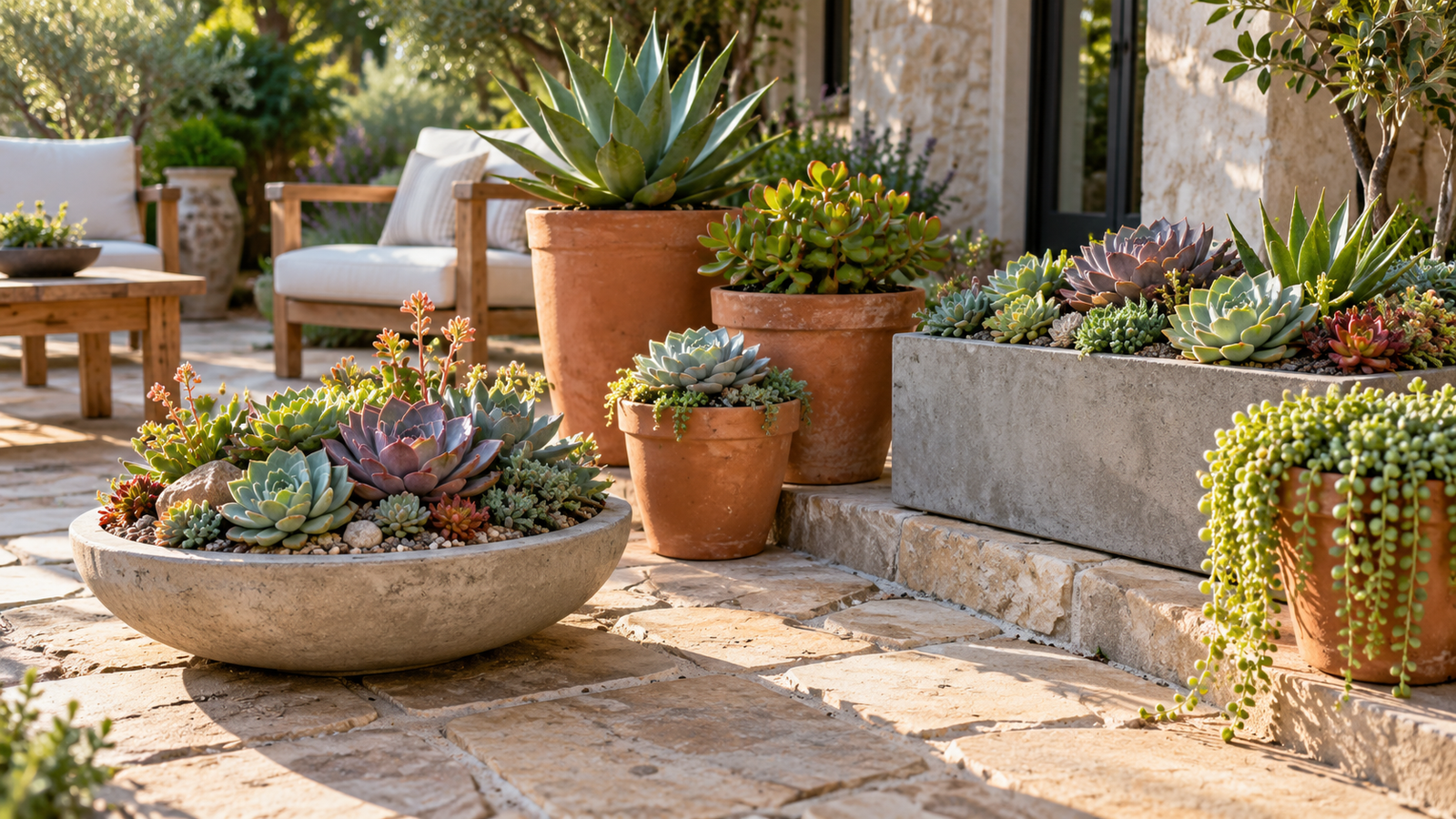
21 Outdoor Succulent Planter Ideas for Patios, Porches and Yards
Outdoor succulent planter ideas include mixed rosette bowls, terracotta groups, concrete troughs, vertical wall displays, and hanging baskets. Choose each design according to sunlight, rain exposure, drainage, and winter conditions. Explore 21 practical options, then use the planting and care...
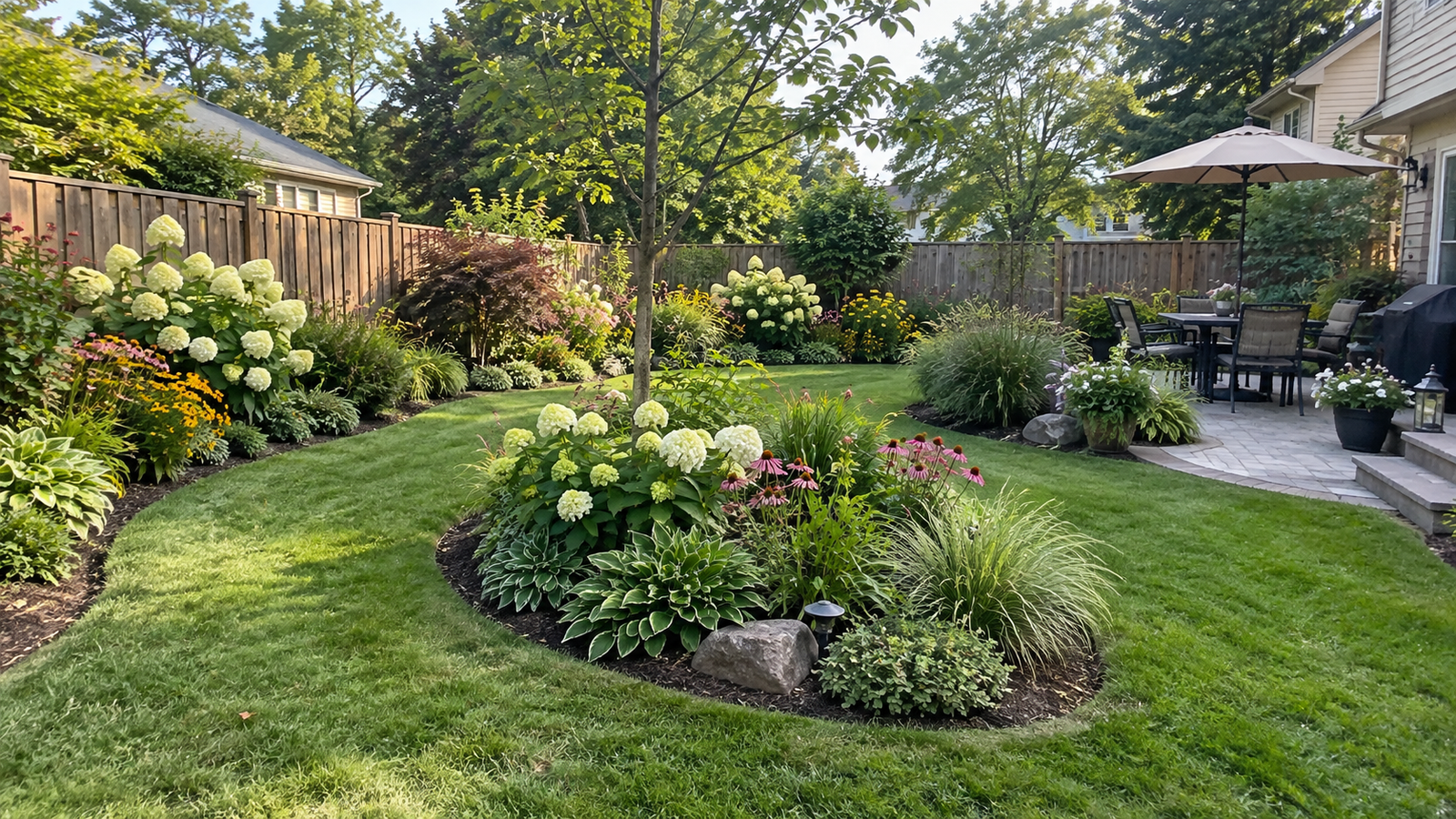
Backyard Plant Bed Ideas: 21 Layouts for Every Yard
The best backyard plant bed ideas preserve usable space while adding structure and color. Border beds frame lawns, island beds create focal points, fence beds offer screening, curved beds soften straight edges, and raised beds organize growing areas. Choose according...
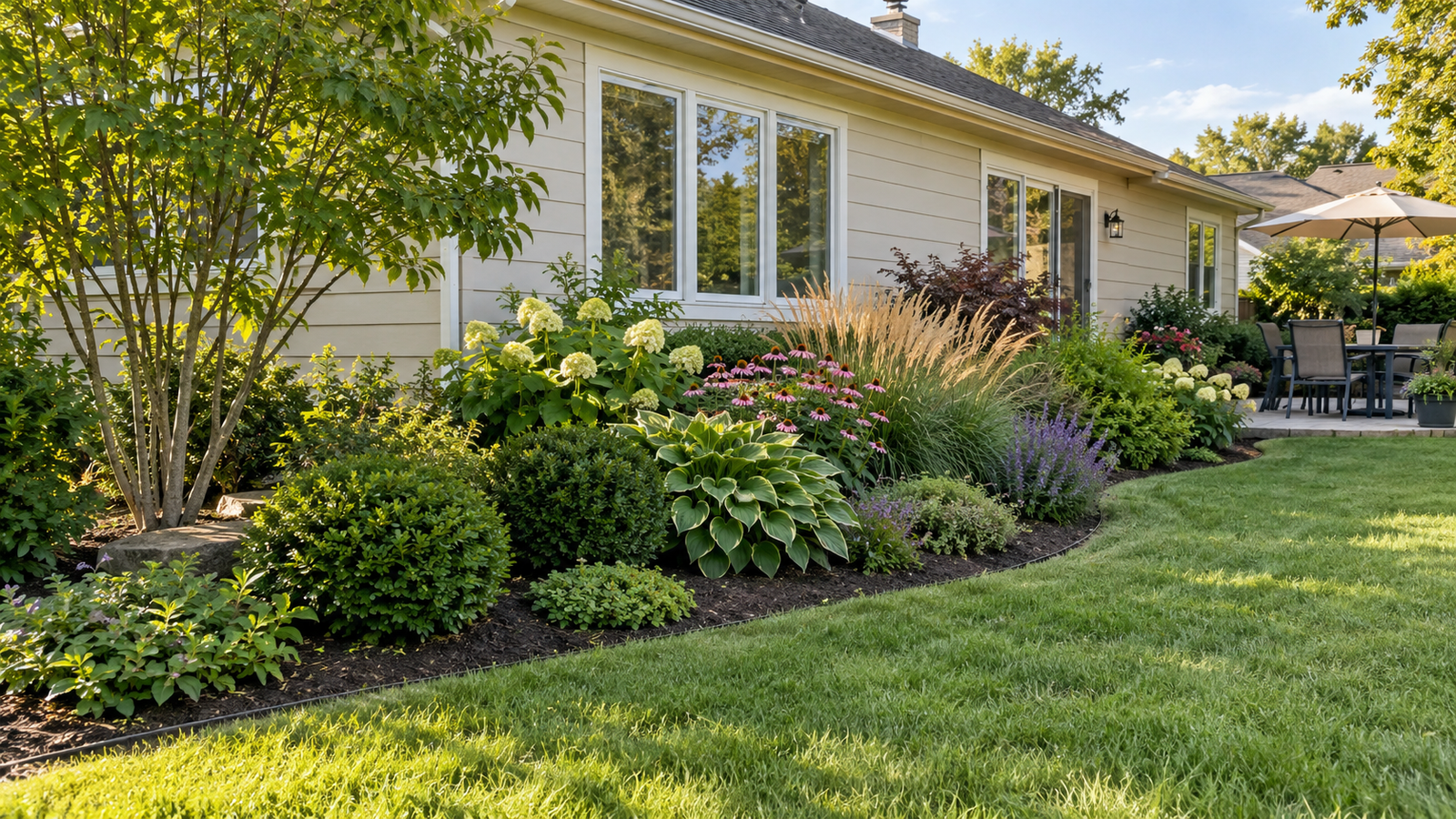
Backyard Foundation Planting Ideas: 21 Ways to Plant Along Your House
The best backyard foundation planting ideas use compact shrubs, flowering perennials, grasses, and groundcovers to soften exterior walls without obstructing windows, drainage, or access. Choose a layout that fits the available bed depth, then select plants for their mature size,...
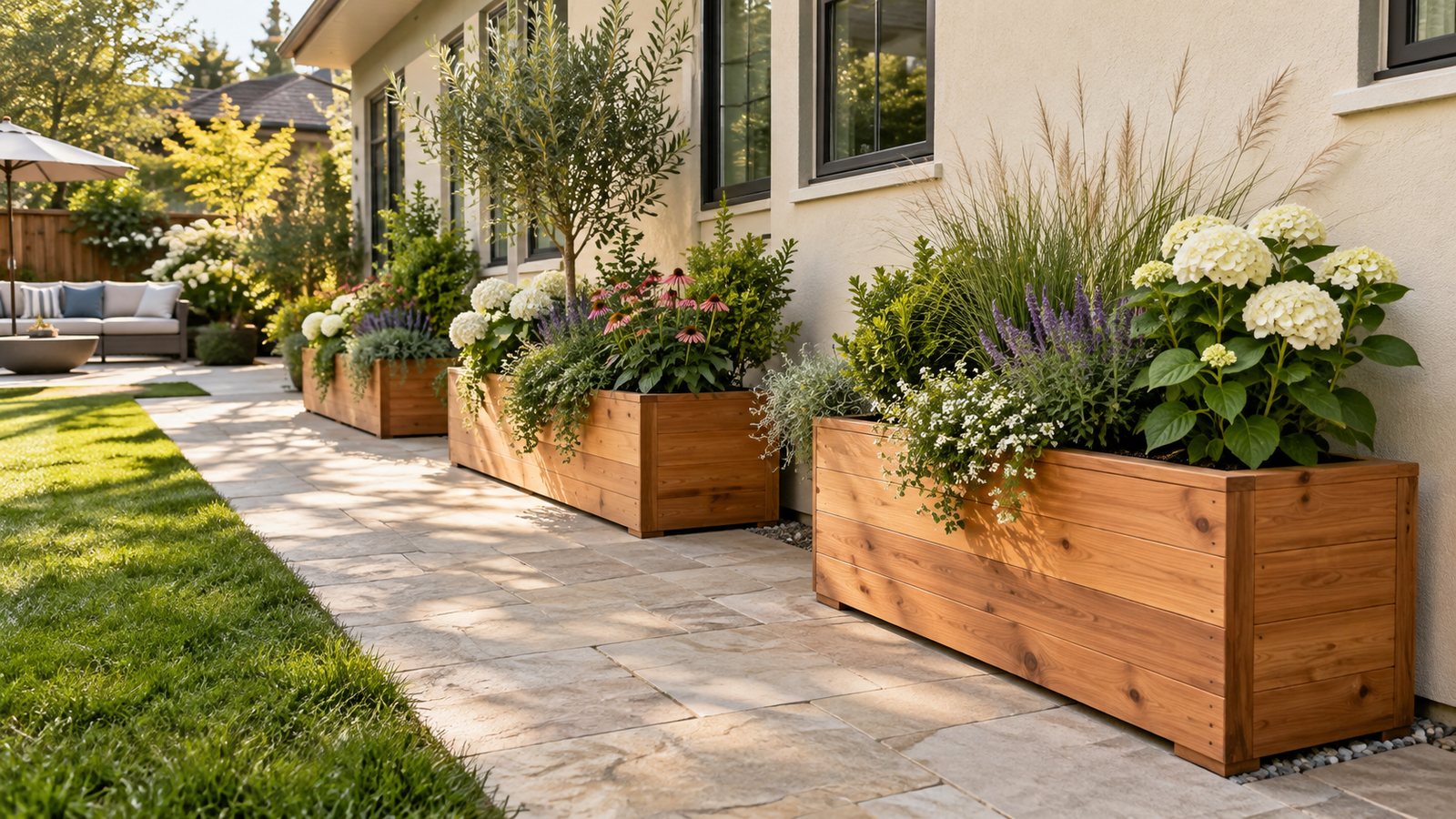
Backyard Planter Box Along House Ideas: 17 Practical Designs
The best backyard planter box along house ideas combine attractive planting with safe, practical placement. Freestanding troughs, cedar boxes, low window planters, and trellis containers can transform a plain wall without blocking access or trapping moisture. Choose a design that...
Evergreen Planter Ideas for Beautiful Outdoor Spaces Year-Round
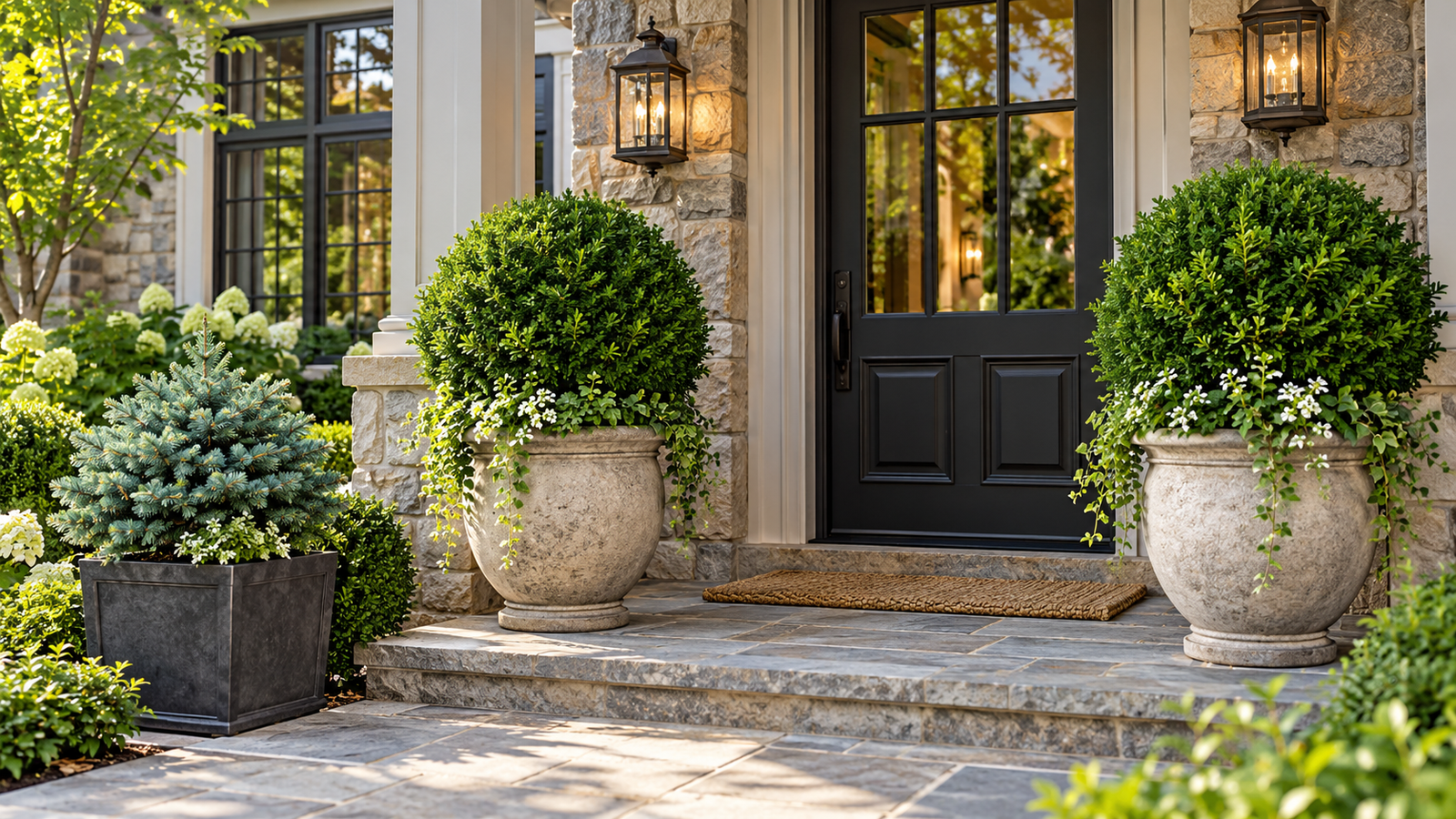
Evergreen planter ideas bring lasting color, shape, and structure to front doors, patios, porches, and balconies. From paired entrance shrubs to low-growing junipers and decorative dwarf conifers, the right arrangement can make an outdoor space feel finished even when seasonal...
Houston Backyard Plant Ideas for Sun, Shade, Privacy, and More
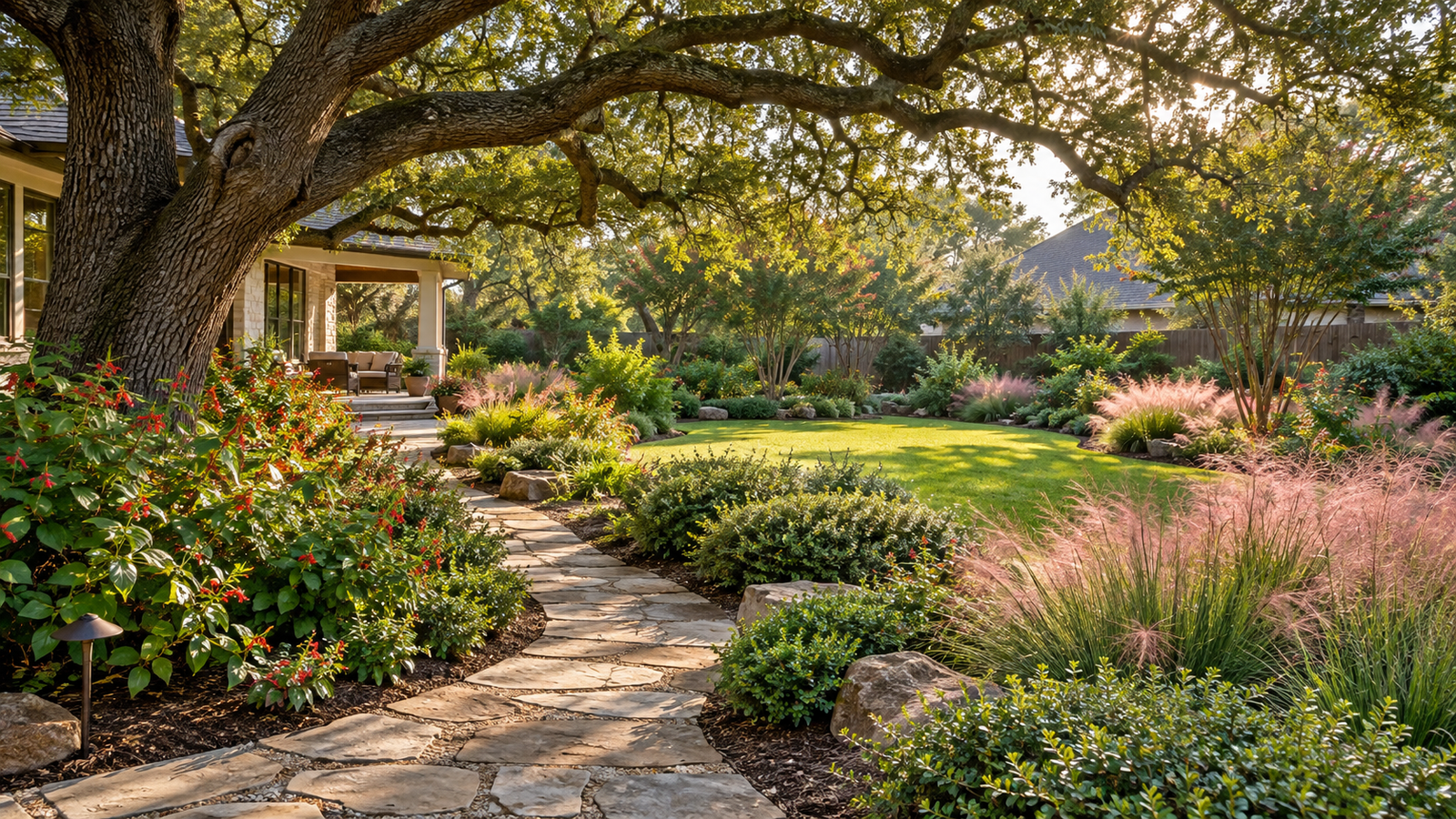
The best Houston backyard plant ideas combine heat-tolerant flowers, dependable evergreen shrubs, shade-friendly natives, and plants matched to local soil. Yaupon holly provides structure, southern wax myrtle creates privacy, Turk’s cap flowers in partial shade, and Gulf muhly adds texture....
Perennial Planter Ideas
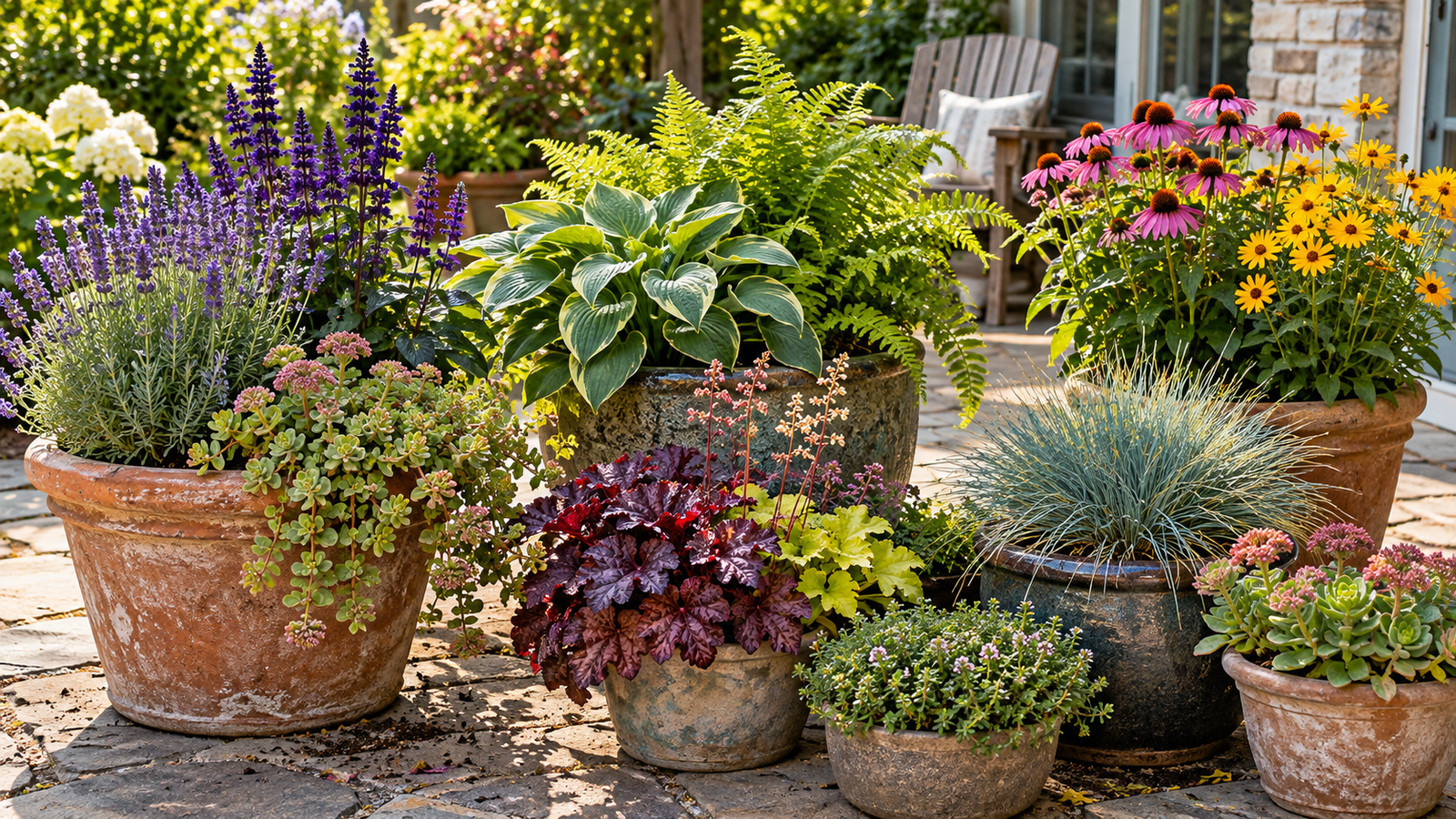
Perennial planter ideas work best when plants share the same sunlight, moisture, drainage, and growing-space requirements. Choose suitable plants and containers, and a display can return for several years with less seasonal replanting.
The secret is planning for mature growth rather...
Palm Plant Ideas for Backyards: A Climate-Smart Planning Guide
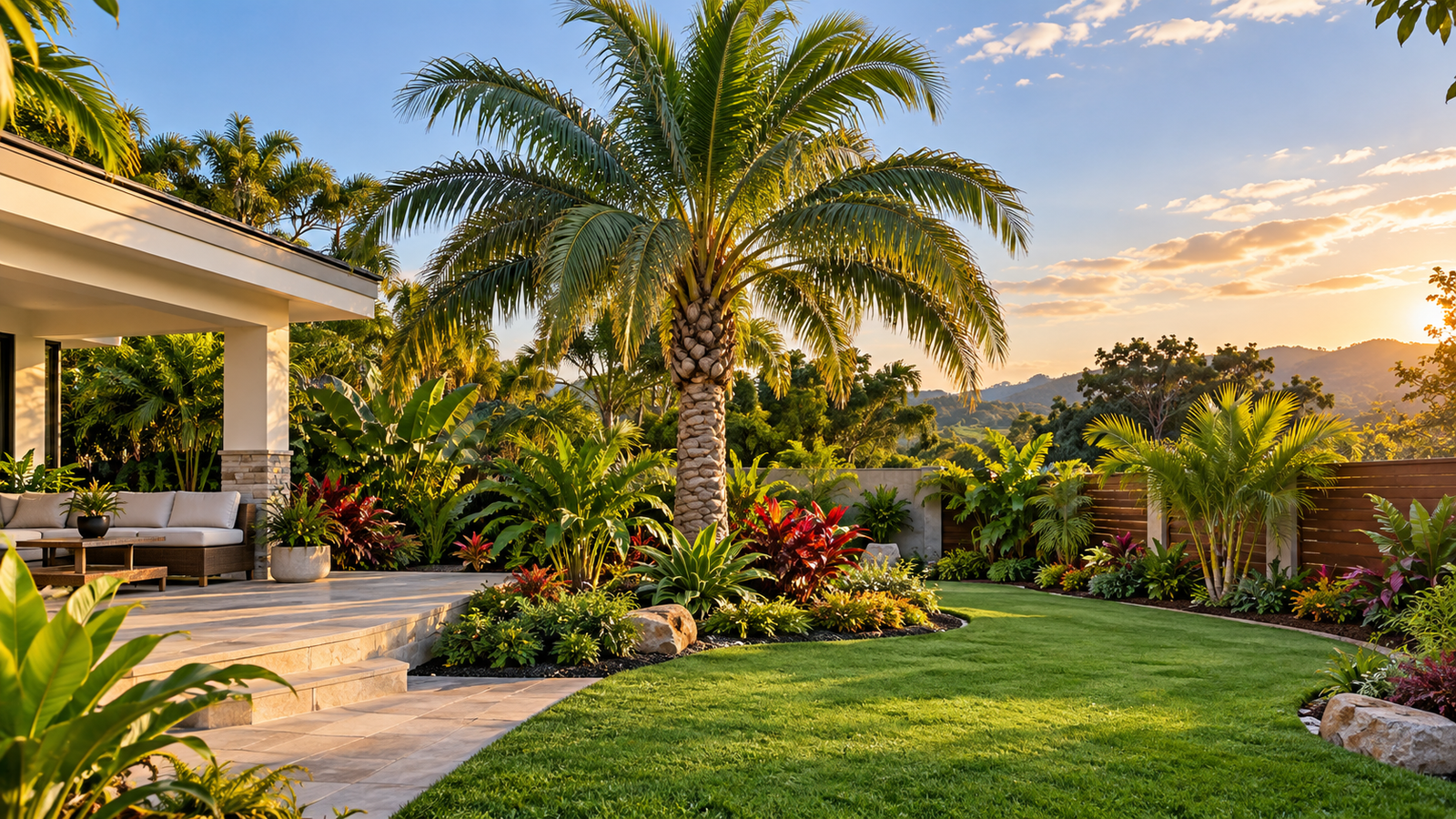
Palm plant ideas for backyards work best when the palm matches your climate, mature space, sunlight, drainage, and landscape goal. Choose compact palms for small yards, clustering palms for privacy, container palms for flexibility, and solitary palms when you want...
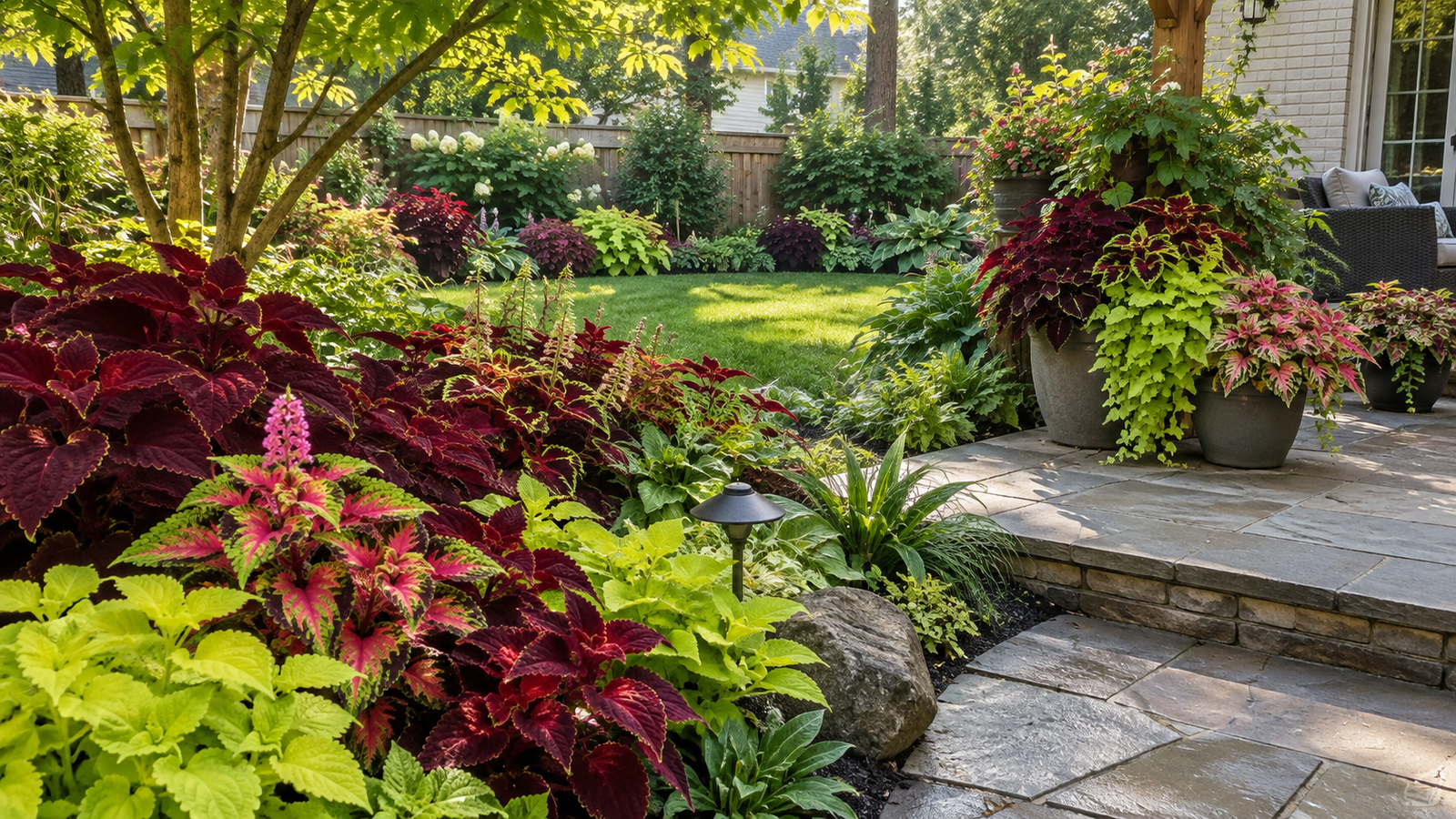
Backyard Planting Ideas With Coleus
Backyard planting ideas with coleus include layered shade borders, mass plantings, pathway edging, patio pots, tropical foliage beds, under-tree containers, and burgundy or lime focal plants. Match the cultivar's mature size, growth habit, and light tolerance to the site first,...
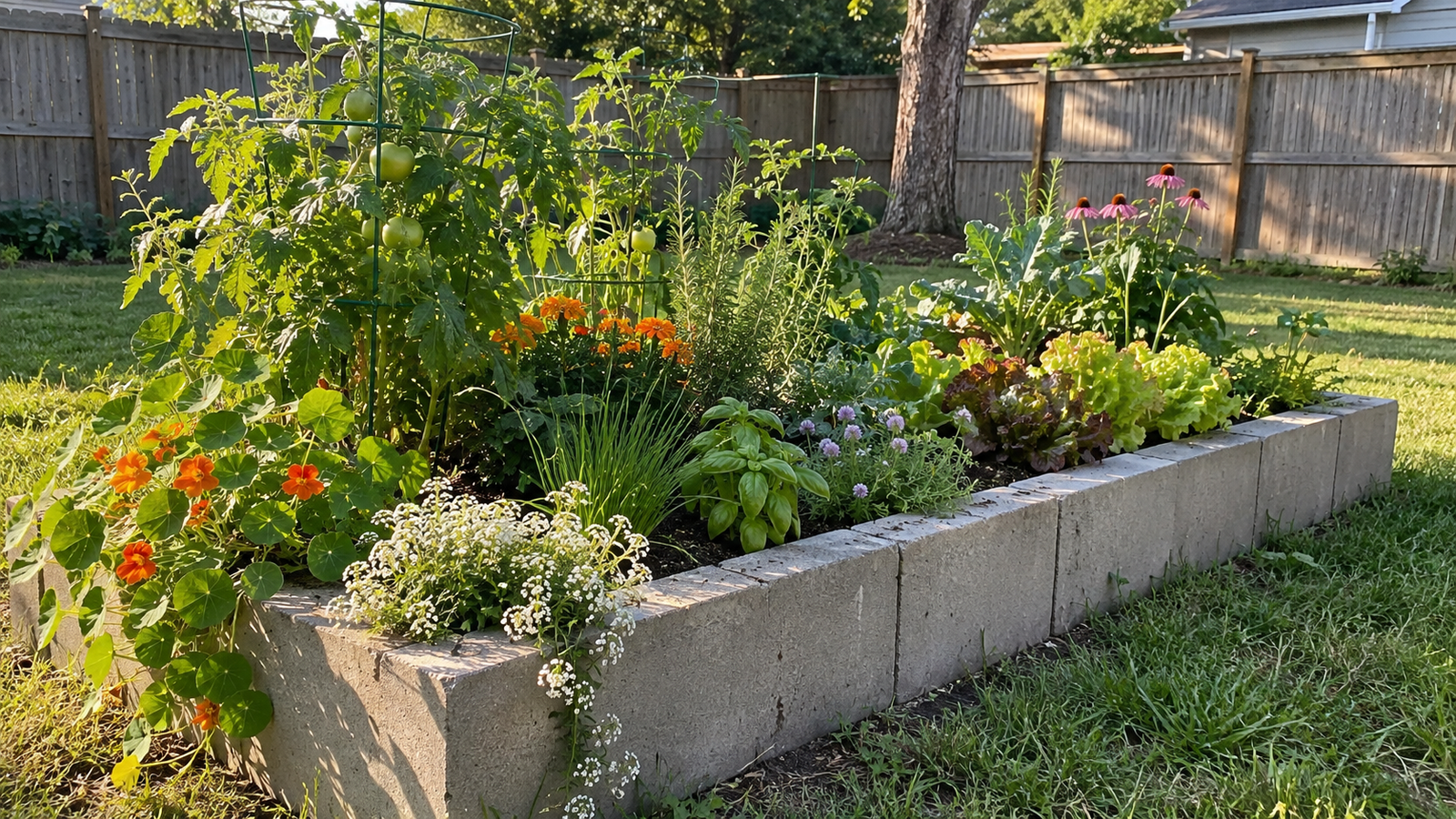
Cinder Block Planter Ideas
Cinder block planter ideas offer a practical way to grow flowers, herbs, vegetables, succulents, or ornamental plants without complicated construction. Low raised beds, narrow fence planters, stepped corner designs, and compact vertical arrangements work especially well because they balance growing...