

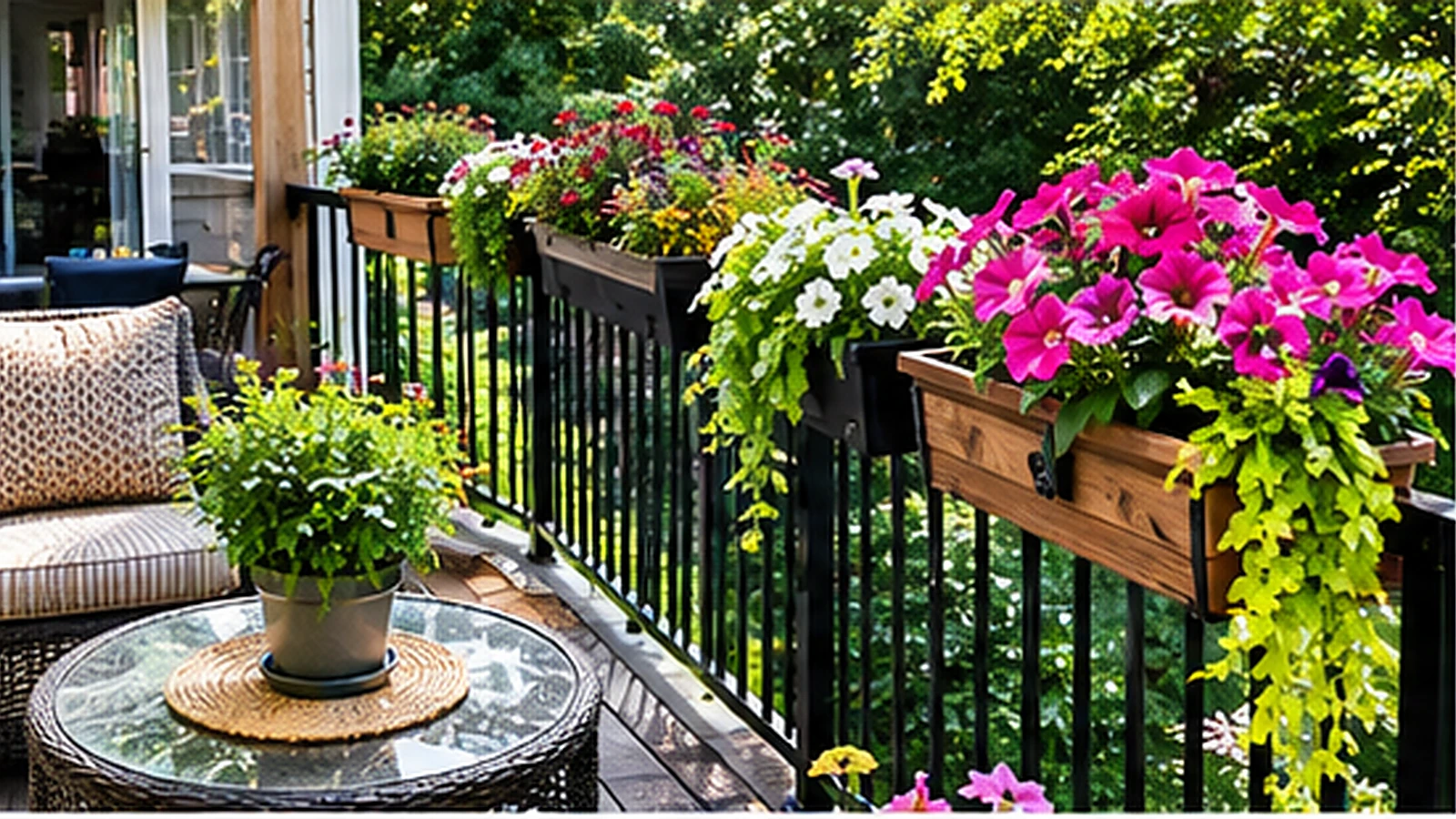
Railing planter ideas make balconies, decks, and porches greener without sacrificing floor space. The best choices are securely fitted saddle planters, bracket-mounted flower boxes, and hanging baskets planted with compact flowers, herbs, or strawberries. Match the container to your railing, sunlight, wind exposure, and drainage needs before choosing a style.
For backyardplanterideas, this guide brings together practical designs, affordable building methods, plant combinations, and safety checks. It also explains when a freestanding planter is smarter than hanging anything from a rail.
What Railing Planter Ideas Look Best?
Good railing planter ideas match the building and growing conditions. Repeated boxes create a tidy deck display; individual pots suit small balconies. Choose arrangements you can reach safely without blocking doors or dripping below.
Trailing flowers soften railing edges; herbs add edible value. On windy sites, low mounding plants usually outperform tall stems. Consider these 15 approaches:
- Rustic cedar boxes: Natural wood complements traditional decks; pair with compact white flowers and greenery.
- Black metal baskets: Slim frames fit modern metal railings; add coco liners and trailing blooms.
- Saddle-style planters: Containers straddle compatible flat rails, saving space without separate decorative hangers.
- Kitchen herb boxes: Group parsley and chives together; grow drier-loving thyme separately.
- Cascading flower troughs: Let petunias or calibrachoa soften the outside edge where permitted.
- Self-watering boxes: Reservoirs help moisture-loving annuals through warm spells, provided overflow is controlled.
- Matching deck boxes: Repeat one color and planter shape for an orderly, continuous display.
- Minimalist white planters: Green foliage and restrained flower colors suit contemporary balconies.
- Pollinator-friendly boxes: Include regionally suitable alyssum, verbena, or flowering herbs.
- Strawberry planters: Allow fruit to hang into an accessible area rather than over pedestrians.
- Shade foliage displays: Combine compact coleus and suitable ferns on sheltered balconies.
- Seasonal swap boxes: Replace summer annuals with cool-season flowers or hardy foliage.
- Reused window boxes: Save money by pairing sound containers with compatible commercial supports.
- Small pot collections: Use individual rated holders for herbs with different watering needs.
- Soft-color cottage displays: Combine pink begonias, white flowers, and trailing foliage in partial shade.
Design rule: Repeat two or three colors instead of changing the palette in every box.
Which Railing Planter Types and Materials Work Best?
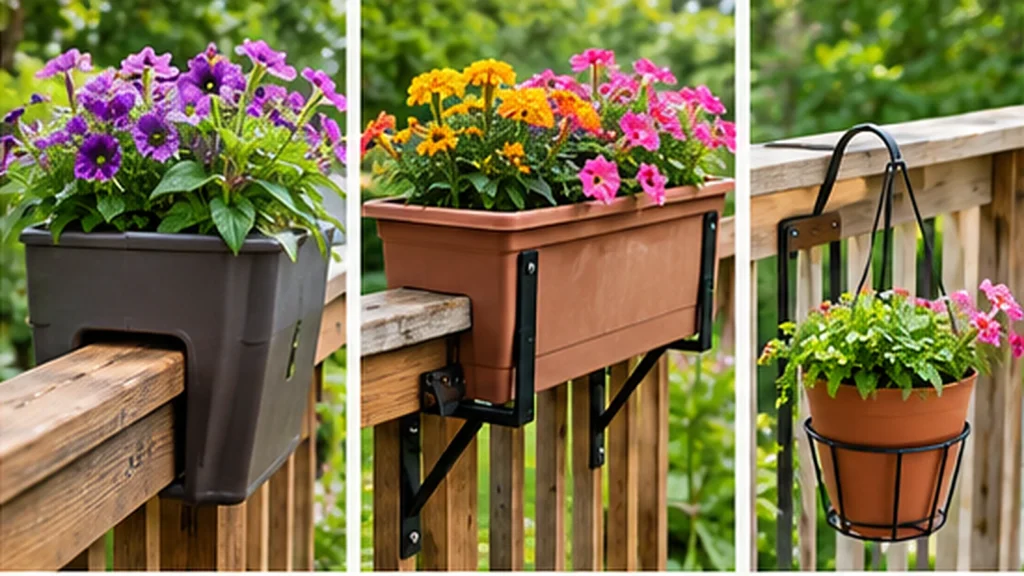
Three mounting types dominate: saddle planters straddle compatible rails; bracket-mounted boxes rest on dedicated supports; and hook-on holders carry smaller pots. Choose secure fittings with watering access. Saddle boxes for flat wood rails may not fit round metal rails.
Materials affect watering, maintenance, and weight. Resin is lightweight, but needs UV resistance. Cedar requires moisture inspections; metal requires corrosion-resistant finishes. Porous liners dry quickly in heat.
| Material | Main advantage | Main limitation |
|---|---|---|
| UV-resistant resin | Light, washable, often affordable | Quality and lifespan vary |
| Cedar or suitable wood | Attractive, easy to customize | Moisture and joint maintenance |
| Powder-coated steel | Slim decorative frame | Rust if coating fails |
| Aluminum | Relatively light and corrosion-resistant | Thin walls may heat rapidly |
| Coco-fiber basket | Natural appearance and drainage | Requires frequent moisture checks |
| Terracotta | Traditional finish | Heavy and breakable |
For wooden deck rails, consider a correctly sized saddle planter or a rated deck-rail bracket. For metal balcony rails, choose clamps designed for that exact profile. For rented apartments, removable mounting may be preferable, subject to building permission. Do not clamp ordinary planters onto glass panels unless the glass-railing system explicitly permits it.
As a concrete product-specification example, Root & Vessel Countryside Railing Planter is designed for flat rails measuring 3.5 or 5.5 inches; its fixed base is not universally adjustable. Compare the manufacturer’s actual dimensions, drainage features, return policy, .and warranty rather than trusting a generic “fits most railings” claim. Root & Vessel
How Do You Choose the Right Railing Planter?
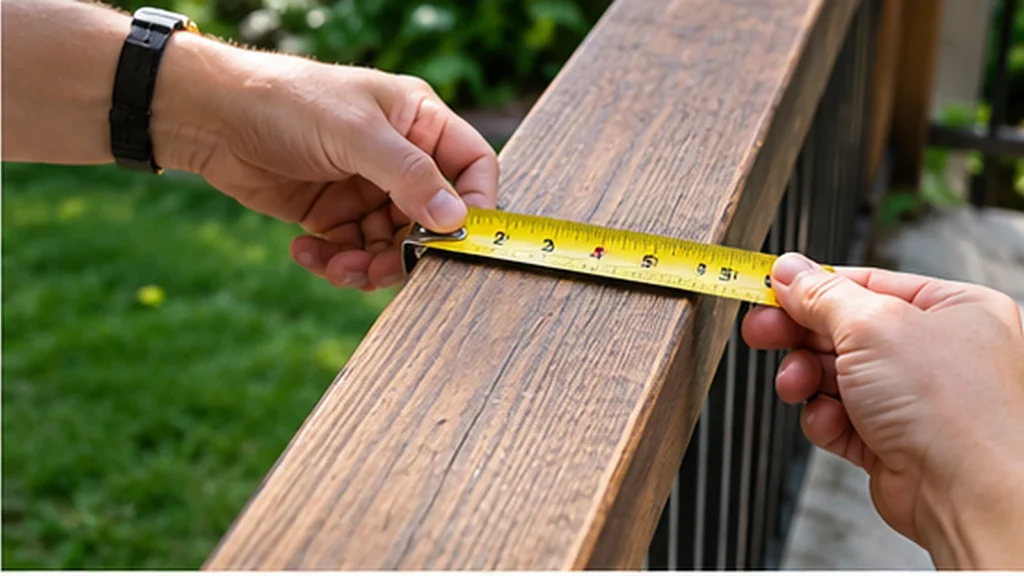
Measure the railing before shopping. Record its width, shape, bracket clearance, and nearby obstructions. Check mounting permission and whether the box projects over public space. Allow enough root space without exceeding the railing’s load limit.
Depth is only a starting point: soil volume and mature size matter too. Around 6–8 inches (15–20 cm) suits many compact annuals; some herbs, strawberries, and greens need 8–12 inches (20–30 cm). Check each cultivar.
| Check | Practical decision |
|---|---|
| Rail profile | Buy a mount certified compatible with its dimensions |
| Sunlight | Choose sun or shade plants after observing the location |
| Wind | Prefer lower foliage and secure anti-lift restraints |
| Watering access | Leave room to reach soil and remove dead flowers |
| Drainage | Keep water off neighbors, walking surfaces, and timber |
| Weight | Include wet mix, plants, water reservoir, and container |
Worked capacity example: A box with usable inside dimensions of 60 × 15 × 20 cm holds approximately 18 liters before allowing for the planting arrangement. Capacity does not reveal its loaded weight: different mixes retain different amounts of water. Weigh the assembled, thoroughly watered planter and obtain confirmation that the entire mounting and rail system can safely support it.
For a hot balcony, consider a light-colored container with adequate soil volume. In a wet coastal climate, prioritize corrosion-resistant supports and dependable drainage. If rail capacity is uncertain, choose a stable freestanding planter inside the balcony.
How Do You Attach and Secure Railing Planters?
Use hardware approved for the railing and loaded weight. The box must resist sliding, tipping, and wind uplift. Even strong brackets cannot compensate for damaged rails. Never depend on string, household adhesive, or light-duty ties.
The Royal Horticultural Society advises checking load limits and wind exposure for elevated gardens. Above pedestrians or neighbors, follow property restrictions; use floor containers when exterior mounting is prohibited. RHS Advice
How do you install brackets safely?
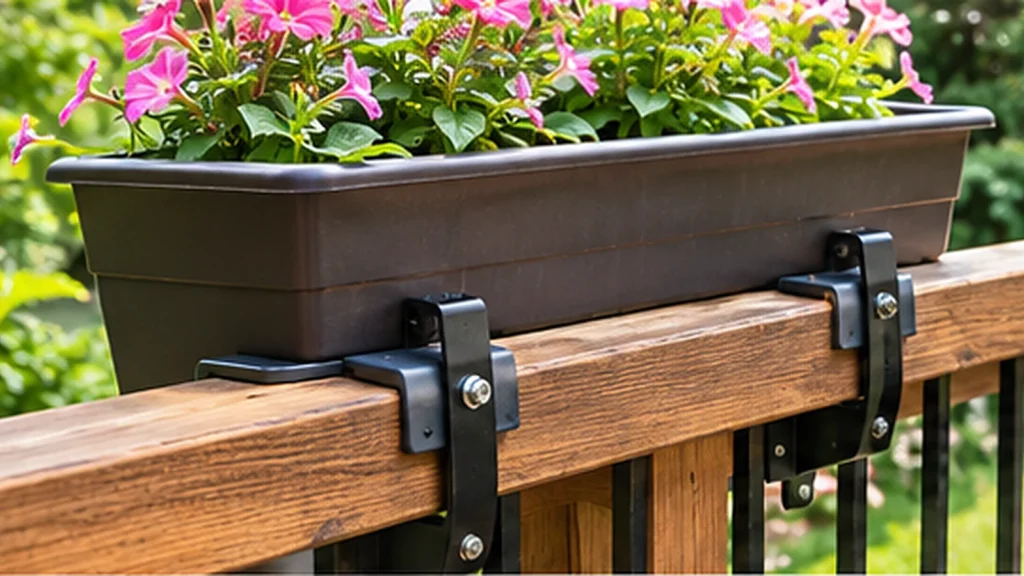
- Inspect the rail: Check posts, connections, cracks, rot, and corrosion before adding weight.
- Verify compatibility: Read the bracket instructions for rail dimensions, surface type, and total load.
- Position supports: Install the specified number of brackets with approved fasteners and spacing.
- Test the empty setup: Confirm that the box sits level and cannot easily rock or lift.
- Add restraints: Fit any required anti-tip or anti-lift devices exactly as directed.
- Plant and water: Recheck the support after the potting mix becomes fully wet.
- Inspect seasonally: Replace corroded, loose, cracked, or otherwise compromised parts.
Before buying a bracket set, check whether its published limit applies to the entire assembly or to individual supports. Two brackets do not automatically double the safe capacity of a weak railing. If specifications are missing, ask the manufacturer rather than guessing.
Can you install railing planters without drilling?
Yes, compatible saddle containers and purpose-designed adjustable clamps provide no-drill options. However, removable does not mean unsecured: many systems still need tightened fittings or a locking mechanism. Renters should verify property rules; avoid improvised clamps on glass balustrades.
For wind, select compact plants, trim excessive trailing growth, and prefer inward-facing arrangements. Never lean over elevated rails. Follow the manufacturer’s safe removal instructions before severe weather when accessible.
How Do You Make DIY Railing Planters Cheaply?
A simple DIY railing planter uses a wooden box, drainage openings, optional liner, and rated mounting brackets. Save money on the box, not its supports. Design around compatible hardware instead of improvising attachments later.
Gather sound cedar, exterior screws, a drill, saw, tape, and sandpaper. A 60 cm (24-inch) box is manageable, but dimensions must fit the mount and plants. Avoid contaminated reclaimed wood for edibles.
How do you build a wooden railing planter box?
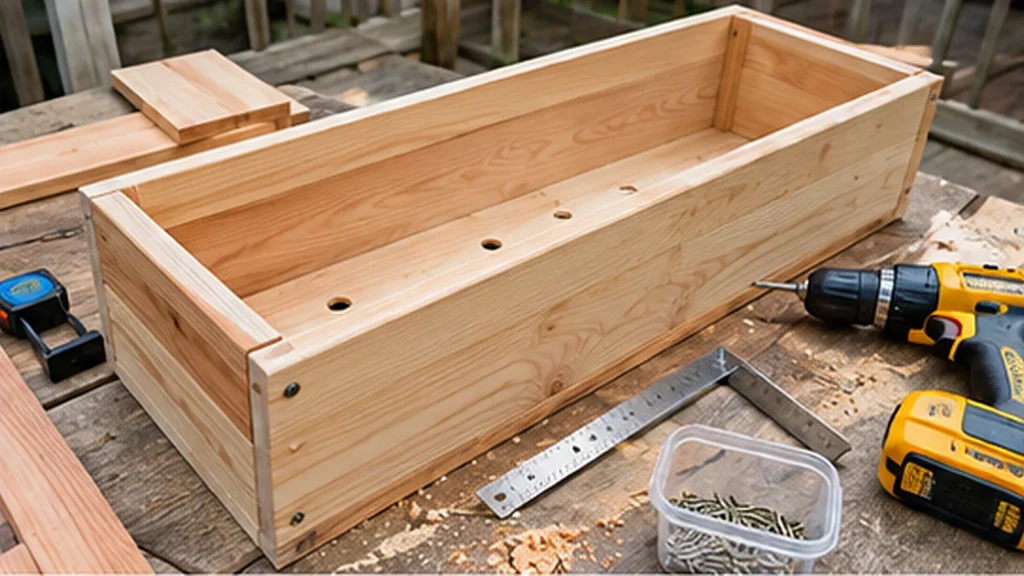
- Measure and draw: Plan the finished length, width, soil depth, and bracket positions.
- Cut the timber: Prepare two long walls, two end boards, and a supported base.
- Pre-drill and assemble: Fasten the corners with suitable exterior screws.
- Create drainage: Add unobstructed base holes or appropriate gaps between bottom slats.
- Line if needed: Fit permeable landscape fabric, or perforated plastic to protect wood.
- Finish and inspect: Smooth sharp edges and apply an appropriate outdoor finish.
- Mount safely: Use the manufacturer’s bracket system after the empty box passes inspection.
- Plant carefully: Fill with lightweight container mix, water, and check the final setup.
Protect the wooden base from permanently trapped moisture, and inspect screw joints after the first growing season. A removable nursery-pot insert can make replanting simpler. If the box becomes soft or warped, retire it rather than adding larger screws to compensate.
Which budget DIY ideas are worthwhile?
- Repurposed window box: Reuse a sound planter with purpose-made railing brackets.
- Herb-pot rail: Place separate nursery pots in compatible, individually secured holders.
- Coco-lined basket: Insert a replaceable liner into a well-supported metal frame.
- Recycled plastic container: Add drainage only if the material is sturdy and outdoor-suitable.
- Wooden crate: Prefer floor placement unless a competent design provides reliable support.
For large floor planters, a supported false bottom can reduce soil volume. Never fill railing boxes with stones or loose debris to save money. Avoid containers previously holding chemicals, especially for edibles.
What Plants Grow Best in Railing Planters?
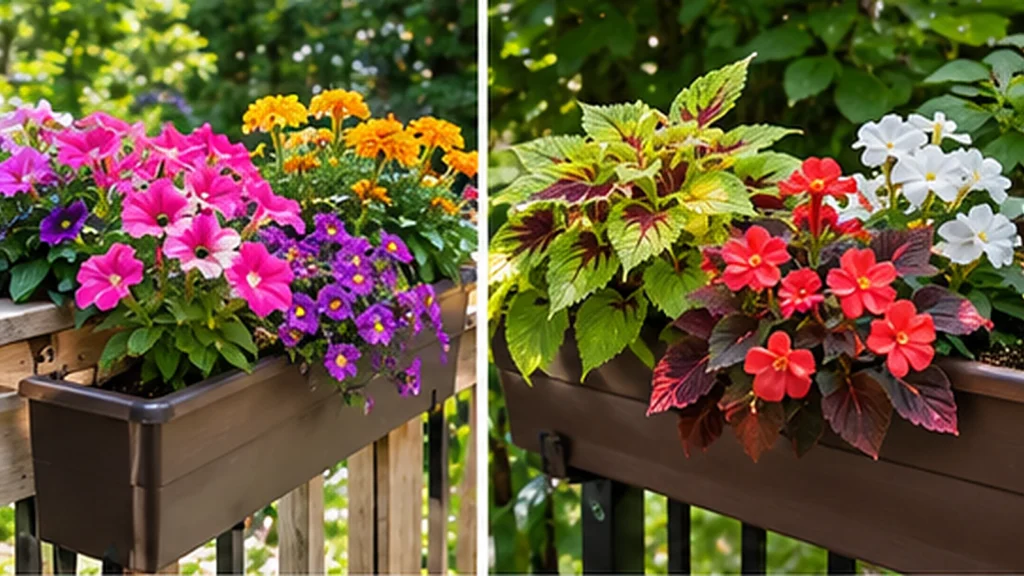
Choose compact varieties suited to sunlight, wind, climate, and depth. Annual flowers add color; herbs provide harvests; salad crops use shallow spaces. Large tomatoes, vigorous climbers, and shrubs usually belong in floor containers.
The RHS recommends trailing calibrachoa, petunias, lobelia, and ivy-leaved pelargoniums for summer containers; begonias and impatiens suit some shaded sites. Adjust for local heat and frost. RHS Advice
| Exposure | Suitable plants | Why choose them |
|---|---|---|
| Full sun | Petunia, calibrachoa, compact marigold | Colorful seasonal flowers |
| Sunny, fairly dry | Thyme, oregano, sedum | Lower-water foliage or herbs |
| Partial sun | Parsley, chives, strawberry | Useful kitchen harvests |
| Bright shade | Begonia, impatiens, coleus | Flowers or patterned leaves |
| Cooler partial shade | Lobelia, suitable fuchsia | Soft trailing color |
Which flowers are easiest for beginners?
Try marigolds or pelargoniums for sun, and begonias for less afternoon sunlight. Cascading petunias and calibrachoa need regular moisture and feeding. Check mature height, not nursery-pot appearance.
Which herbs and vegetables work in railing boxes?
Chives, parsley, thyme, oregano, and basil are practical herbs. Keep moisture-loving basil apart from drought-tolerant thyme when possible. Mint spreads vigorously, so give it a separate pot. Lettuce, small salad greens, radishes, and strawberries can also work when the box has enough volume and light; most fruiting vegetables need deeper, better-supported containers. missouribotanicalgarden.org
Can any balcony flower bloom all year?
No flower blooms continuously outdoors in every climate. In mild frost-free regions, some cultivars have long flowering seasons; elsewhere, rotate spring violas, summer annuals, autumn flowers, and hardy winter foliage. For easier year-round color, combine evergreen leaves with seasonal blooms rather than depending on a single species.
How Do You Plant and Arrange a Railing Box?
Combine compatible plants, fresh mix, and mature spacing. Beginners can use bushy flowers for fullness and a trailing plant at an accessible edge. Avoid tall accents on windy railings.
Consider root volume, not just box length. Vigorous petunias can crowd shallow troughs. Fewer well-spaced plants generally outperform packed arrangements.
What is the simplest planting process?
- Prepare the empty planter and confirm its drainage openings work.
- Moisten fresh, suitable potting mix before filling the container.
- Arrange nursery pots on the surface to check spacing and color balance.
- Remove plants gently and loosen severely circling roots where appropriate.
- Set each plant at approximately its existing nursery soil depth.
- Fill gaps without compacting the mix; leave room below the rim for watering.
- Water until excess moisture drains, then safely complete mounting checks.
For a 60 cm box, arrange nursery plants inside the empty container before opening their root balls. This simple dry run reveals whether mature foliage will interfere with brackets, neighboring containers, or the railing itself. Move the plants while everything is still easy to handle.
How should you combine flowers?
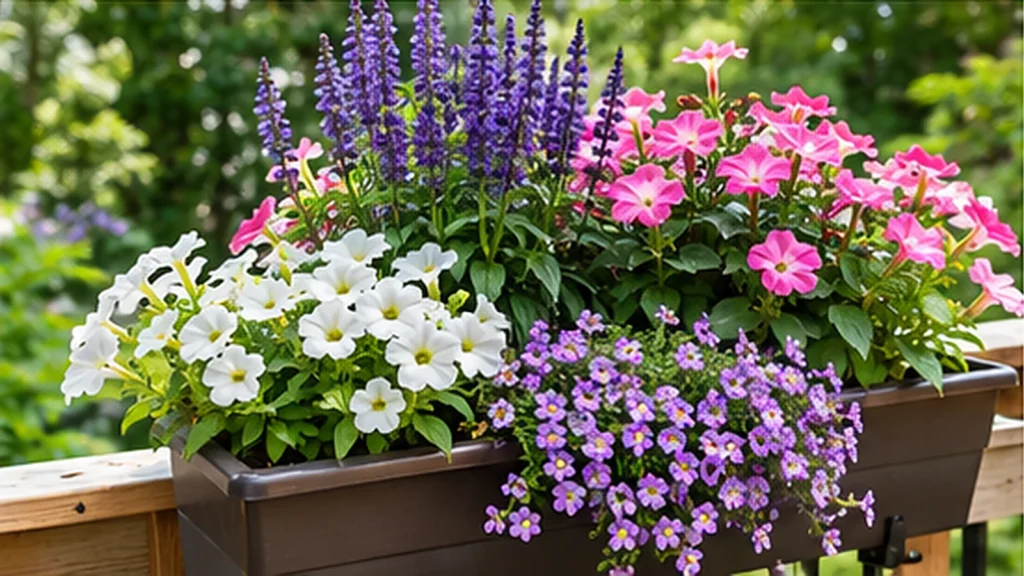
The classic thriller–filler–spiller arrangement uses a compact upright accent, mounding flowers, and trailing foliage. On a narrow rail, consider a simpler filler–spiller combination to lower the center of mass. For example, use compact white annuals with one suitable trailing blue or purple variety; match their water and light requirements first.
Matching herb boxes suit kitchen balconies. Keep leaves within permitted boundaries, doors and exits clear, and brackets reachable without leaning outside.
Do Railing Planters Need Drainage and Liners?
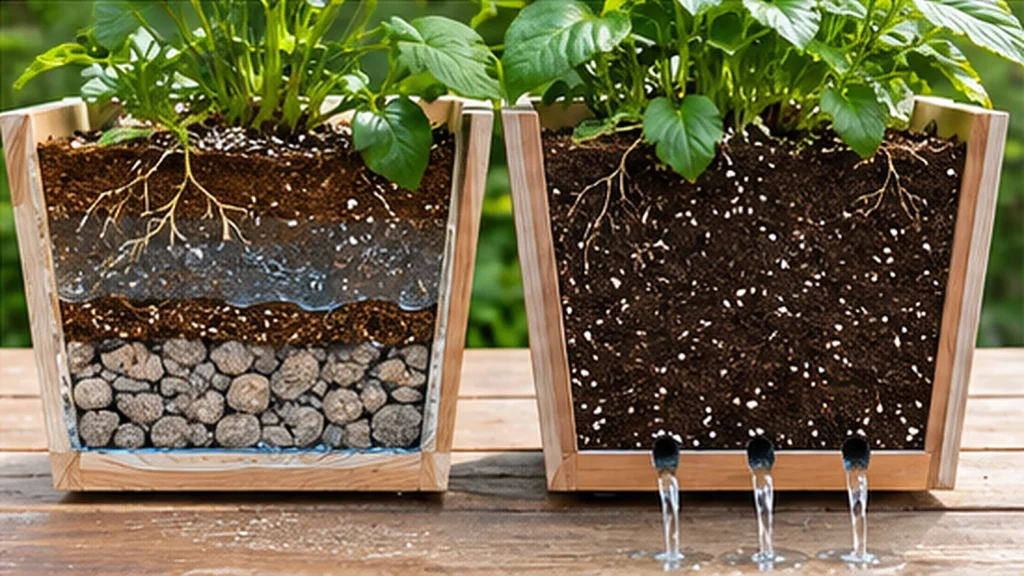
Railing planters need drainage to protect root oxygen and prevent saturation. Self-watering models use reservoirs but still require overflow control and maintenance.
Avoid gravel or pottery shards beneath mix. University of Maryland Extension explains these do not improve drainage and reduce rooting space. Use proper potting mix and clear outlets instead. University of Maryland Extension
What should go in the bottom of the box?
Permeable mesh can cover oversized holes. Otherwise, use container mix rather than heavy garden soil; it should hold moisture while allowing air around roots.
Which liner works best for wood or metal?
- Permeable landscape fabric: Holds mix in wooden slat boxes while allowing water through.
- Perforated plastic: Helps separate wet mix from wood, provided holes remain aligned.
- Coconut-fiber liner: Fits open metal baskets but can dry rapidly in sun and wind.
- Removable inner pot: Simplifies replanting and protects decorative outer containers.
Do not waterproof wooden troughs without a designed reservoir; trapped water damages roots and timber.
How do you stop water dripping below?
Use controlled drainage, a securely attached collection system, or a suitable self-watering planter. Empty catch trays regularly instead of allowing roots to sit in stagnant water. In apartments, check building rules: drainage onto people, balconies, and public walkways may be unacceptable even when the plants are healthy.
How Do You Water and Maintain Railing Planters?
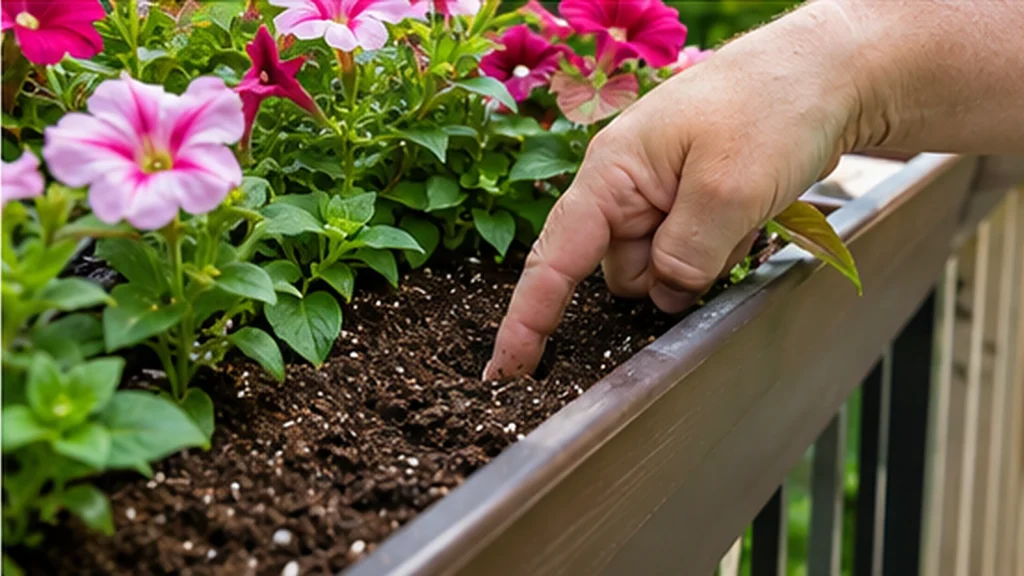
Railing containers may dry faster than floor pots. Check moisture instead of following a fixed schedule. For many annual flowers, test the top inch of mix; adjust for species preferring wetter or drier roots.
Follow fertilizer labels. Flowering annuals may need regular feeding; hardy herbs often need less. Self-watering reservoirs still need checks during heat and rain.
Which problems should you watch for?
| Symptom | Possible cause | First action |
|---|---|---|
| Wilting with dry mix | Underwatering or strong wind | Water thoroughly and review exposure |
| Wilting with wet mix | Poor aeration or root problems | Check drainage before watering |
| Few flowers | Low light or excess nitrogen | Verify exposure and feeding |
| Yellow leaves | Multiple stresses, including saturated roots | Inspect moisture and roots |
| Tilting box | Loose or incompatible attachment | Stop using until corrected |
| Fast-drying basket | Porous liner and small soil volume | Monitor more often or change container |
Deadhead when useful, remove damaged leaves, and check for pests. Inspect brackets after wind and rain; replace damaged materials promptly.
A maintenance reminder is useful at each seasonal change: inspect the rail, empty trapped water, test stability without pushing hard on the planter, and review whether mature stems have become an obstruction.
In cold climates, confirm that both planter and plants tolerate freezing. In tropical wet seasons, prioritize drainage and fungal-disease prevention. When an elevated container cannot be reached safely, hire appropriate help or redesign the setup rather than stretching over the railing.
What Railing Planter Trends Matter in 2026?
In 2026, prioritize modular boxes, compact edibles, pollinator plants, and durable materials. Individually replaceable planters make seasonal changes easier, especially for renters.
Garden Media Group’s 2026 report highlights “Botanical Bento” modular gardens and purposeful planting. Its faded-petal pink “Kusumi” is one optional accent. Give each container a purpose instead of overcrowding one large box. Garden Media Group
How do you plan a practical railing display?
- For a sunny deck: Repeat low boxes with pelargoniums, petunias, or heat-suitable herbs.
- For a shaded balcony: Use compact begonias and patterned foliage in matching containers.
- For a kitchen balcony: Dedicate separate boxes to leafy herbs and drier Mediterranean herbs.
- For strong wind: Use low plants and freestanding containers inside the rail.
- For limited budgets: Reuse sound containers but keep purpose-made mounting hardware.
You can combine trends without following a strict fashion palette: recycled-content resin boxes for durability, edible thyme for harvests, and a small seasonal flower for pollinators. Keep plant compatibility more important than aesthetics; a beautiful mix fails when its watering needs conflict.
Finish by checking the entire display from the doorway. Can you reach every plant, empty drainage trays, and inspect the brackets without climbing or leaning? Will mature leaves obstruct access? A restrained design that stays healthy and secure throughout the season is more valuable than a crowded installation that looks impressive only on planting day.
Frequently Asked Questions
What are the best planters for railings?
Well-fitted saddle planters and rated bracket-mounted boxes suit many decks and balconies. Choose by rail shape, wet weight, drainage, and wind exposure—not appearance alone.
Can you attach railing planters without drilling?
Yes. Compatible saddle designs and approved adjustable clamps offer removable options. Check anti-lift security, landlord rules, and the manufacturer’s compatibility requirements.
How do you stop a railing planter falling?
Use correctly rated hardware, inspect the rail, and install any required anti-tip restraint. Do not substitute string, adhesive, or light-duty ties for proper supports.
Which plants are best for a sunny railing?
Petunias, calibrachoa, marigolds, suitable pelargoniums, and sun-loving herbs are strong options. Check mature size and water needs before grouping them.
What flowers grow on a shaded balcony?
Begonias, impatiens, torenia, and suitable fuchsias can work in bright or partial shade. Choose varieties adapted to local temperatures and indirect light.
Do railing planters need drainage holes?
Most conventional planters do. Self-watering types use designed reservoirs and overflow outlets, but roots still need adequate air and controlled moisture.
Should you put rocks at the bottom?
No. Gravel does not improve ordinary container drainage and reduces rooting space. Use quality potting mix and unobstructed drainage openings instead.
Can you grow vegetables in railing boxes?
Yes. Try lettuce, small salad greens, radishes, or strawberries in sufficiently deep, secure boxes. Large fruiting crops usually need floor-level planters.
What is the cheapest railing planter idea?
Reuse a sound window box with compatible, properly rated brackets. Avoid saving money by improvising unsafe supports or using brittle containers.
Are railing planters safe on high balconies?
Only when property rules, structural capacity, attachment design, and wind conditions permit. If those are uncertain, use stable floor planters inside the balcony.
Final Thoughts
Choose mounting safety first, then plants suited to local light, climate, and soil volume. Reliable hardware and uncrowded growth outperform unstable arrangements. For backyardplanterideas readers, one well-planned box is the best start.
Myra is the founder and lead writer of Backyard Planter Ideas, where she shares practical, well-researched guidance on planter design, plant selection, and outdoor styling. Her goal is to help homeowners create attractive, functional garden spaces with clear, reliable, and easy-to-apply advice.
Hosta Planter Ideas: 21 Beautiful Designs for Shady Spaces
Hosta planter ideas can turn shaded patios, porches, balconies, and garden corners into striking foliage displays. Hostas grow successfully in containers when they have drainage holes, moisture-retentive potting mix, adequate root space, and protection from harsh afternoon sun. The best...
21 Japanese Maple Planter Ideas for Beautiful Outdoor Spaces
Japanese maple planter ideas can turn an ordinary patio, balcony, or courtyard into a garden focal point. Japanese maples (Acer palmatum) grow well in containers when their roots have drainage, consistent moisture, and protection from extreme sun and cold. The...
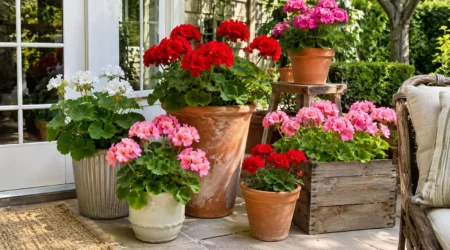
Geranium Planter Ideas: 15 Beautiful Designs and Growing Tips
Geranium planter ideas can brighten patios, balconies, porches, and window boxes with relatively little equipment. Choose upright zonal geraniums for bold flower clusters, trailing varieties for baskets, and companion plants with matching sunlight and moisture needs. The best results come...
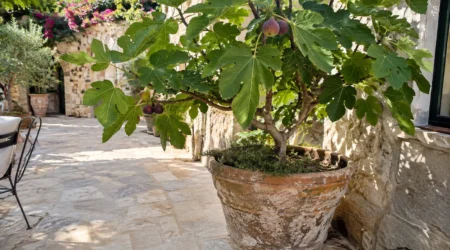
Fig Tree Planter Ideas
The best fig tree planter ideas balance appearance with drainage, root space, and sunlight. Terracotta pots, wooden half-barrels, glazed ceramic containers, and lightweight resin planters all accommodate edible figs. Established trees generally benefit from around 15 gallons (57 liters) of...
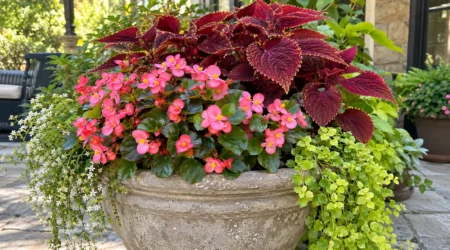
Begonia Planter Ideas: 15 Beautiful Combinations for Every Space
Begonia planter ideas work best when flower color, foliage, container size, and light requirements fit together. Choose wax begonias for compact outdoor displays, trailing varieties for hanging baskets, or Rex begonias for striking indoor leaves. Combine compatible plants in well-drained...
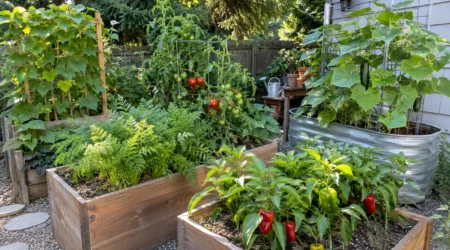
11 Best Vegetables for Deep Planters: Complete Soil Depth Guide
The best vegetables for deep planters are carrots, parsnips, daikon radishes, potatoes, sweet potatoes, tomatoes, cucumbers, peppers, eggplants, zucchini, and pole beans. Most benefit from approximately 12–24 inches of usable growing mix, although the right depth depends on variety, container...
Boxwood Planter Ideas
Boxwood planter ideas bring year-round greenery to front doors, patios, courtyards, and garden pathways. These evergreen shrubs grow well in outdoor containers when they have enough root space, a free-draining growing medium, and consistent moisture. Choose compact varieties suited to...
Potato Planter Ideas: 15 Easy Containers and DIY Growing Tips
Potato planter ideas range from fabric grow bags and large plastic pots to wooden boxes and homemade bucket planters. For most beginners, a wide, opaque 10–15-gallon (38–57-liter) container with drainage, loose potting mix, and six to eight hours of sunshine...
25 Trough Planter Ideas for Beautiful Outdoor Spaces in 2026
Trough planter ideas turn patios, balconies, fences, and small backyards into productive, attractive gardens. The best designs pair a long, suitable container with plants that share similar light, moisture, and root-space needs. Wooden herb boxes, galvanized flower troughs, evergreen displays,...
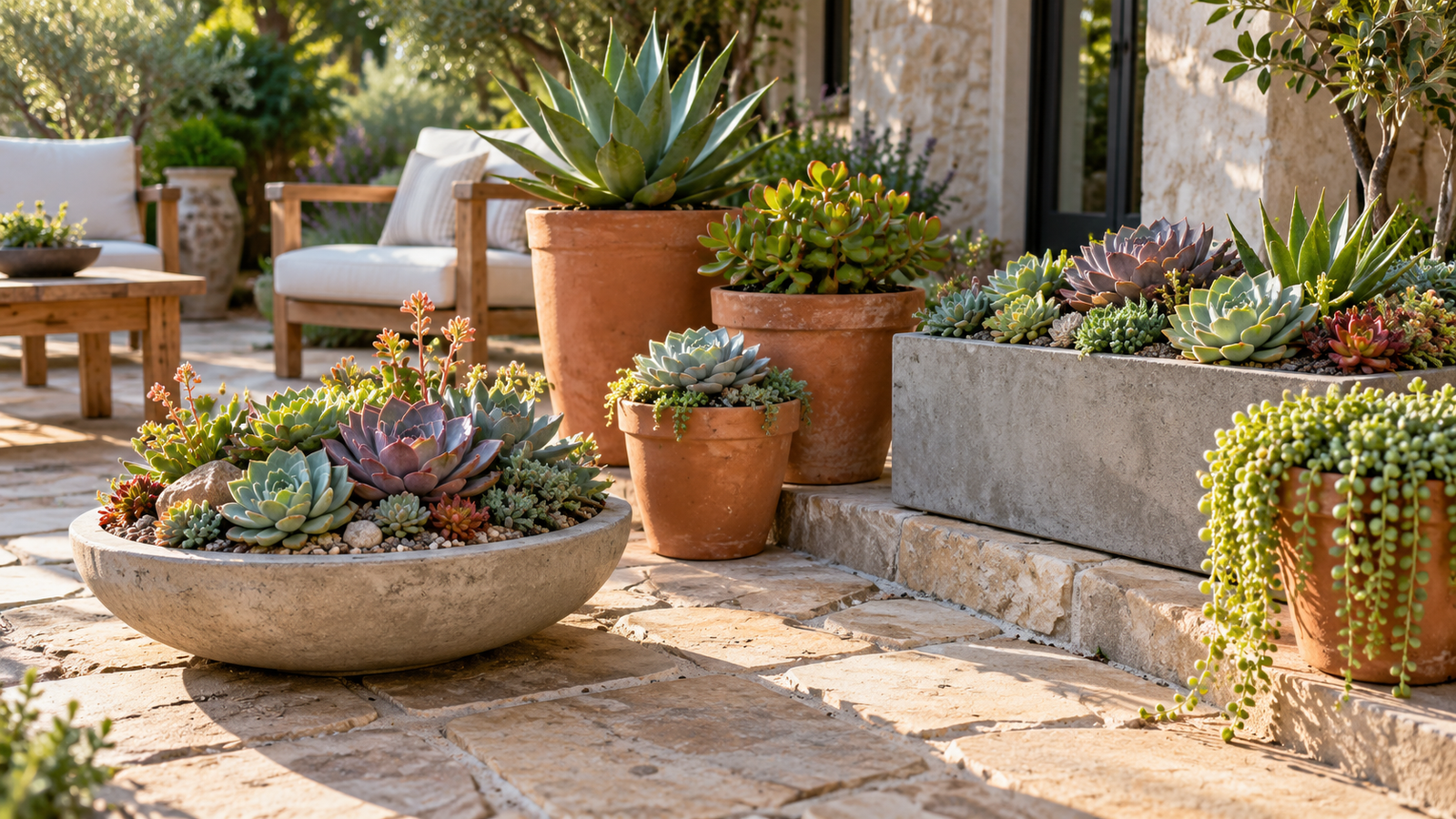
21 Outdoor Succulent Planter Ideas for Patios, Porches and Yards
Outdoor succulent planter ideas include mixed rosette bowls, terracotta groups, concrete troughs, vertical wall displays, and hanging baskets. Choose each design according to sunlight, rain exposure, drainage, and winter conditions. Explore 21 practical options, then use the planting and care...