

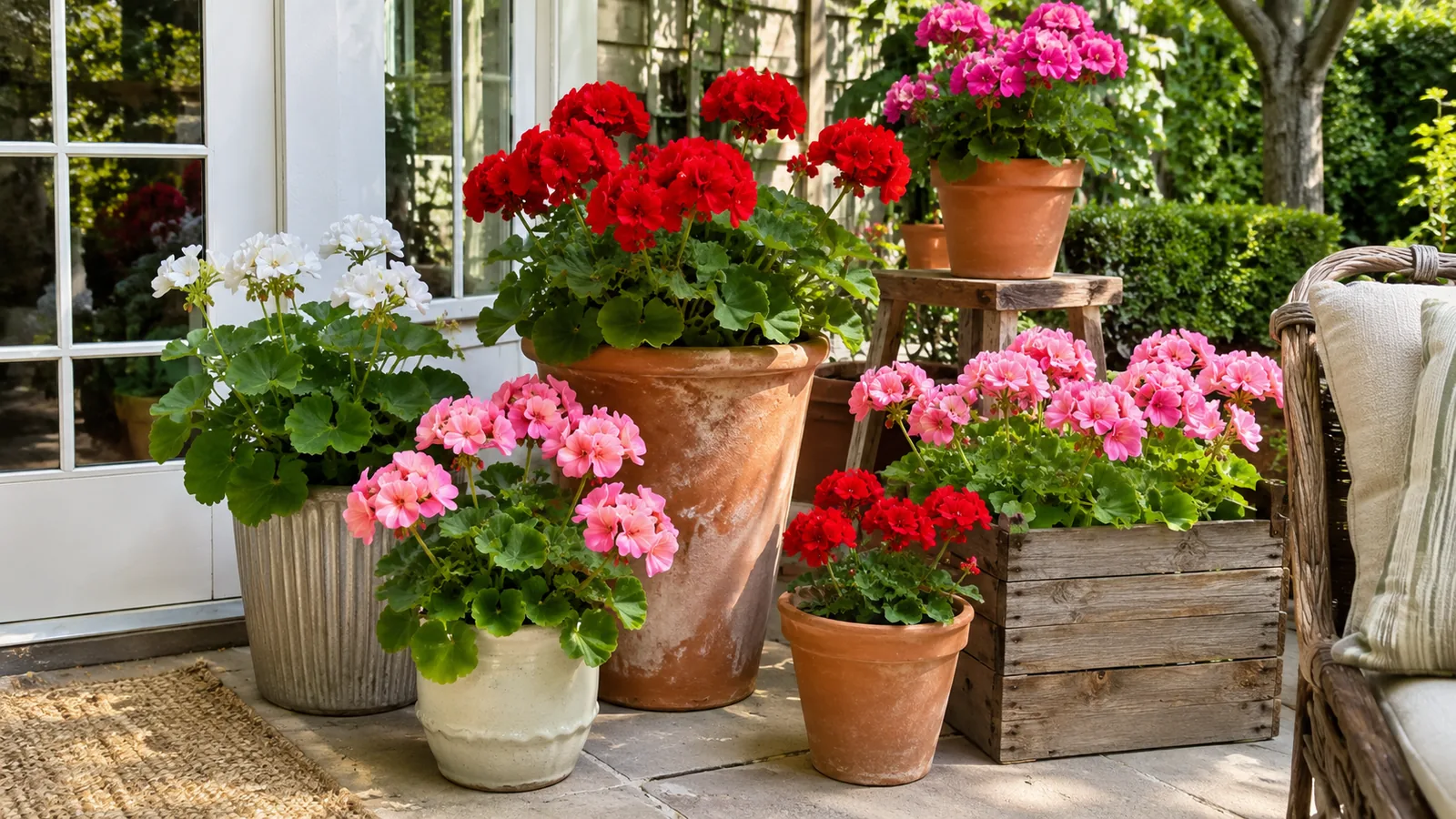
Geranium planter ideas can brighten patios, balconies, porches, and window boxes with relatively little equipment. Choose upright zonal geraniums for bold flower clusters, trailing varieties for baskets, and companion plants with matching sunlight and moisture needs. The best results come from attractive arrangements supported by good drainage, appropriate pot sizes, and consistent seasonal care.
These 15 practical designs cover simple pots, outdoor displays, DIY containers, and window boxes. You’ll also learn which plants pair well with geraniums, how to encourage summer flowers, and when to protect them from extreme weather.
Which Geraniums Are Best for Planters?
Most flowering plants sold as patio geraniums are Pelargonium, tender perennials prized for colorful clusters and often rounded leaves. True Geranium species, usually called hardy geraniums or cranesbills, have different flowering shapes, growth habits, and cold tolerance. The distinction changes planting advice.
For easy container displays, begin with a compact zonal Pelargonium. Ivy-leaved varieties grow over pot edges, while regal types offer large, showy flowers but appreciate protection from harsh conditions. Scented-leaved pelargoniums are selected mainly for fragrant foliage; Angel types suit smaller arrangements. Check mature spread before buying.
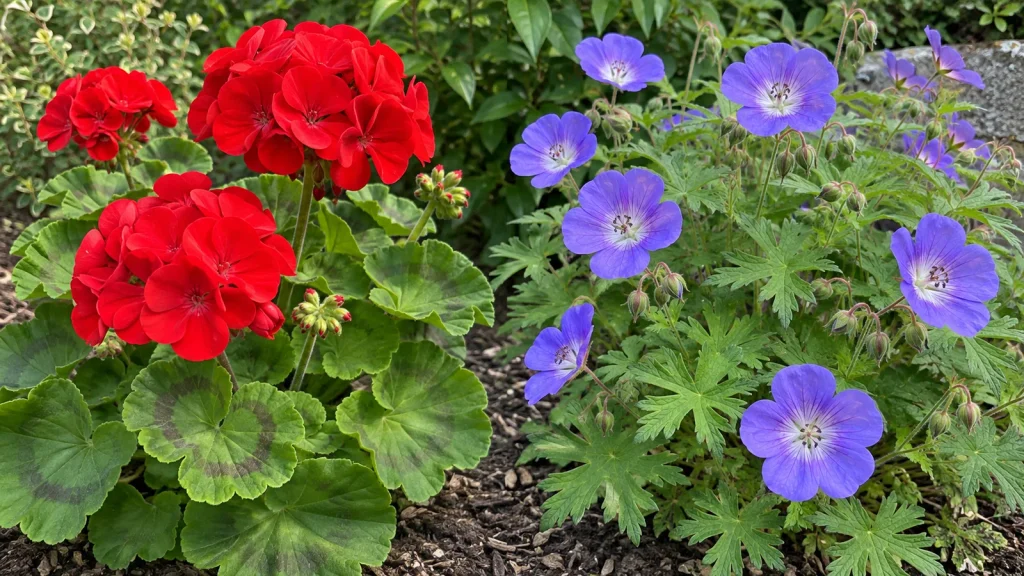
- Zonal Pelargonium: Best for upright patio pots, porch steps, and symmetrical entrances.
- Ivy-leaved Pelargonium: Best for hanging baskets, railings, and cascading window boxes.
- Regal Pelargonium: Best for sheltered decorative containers with gentler afternoon light.
- Angel or dwarf types: Best for compact balconies, tables, and smaller planters.
- Scented-leaved types: Best for fragrant seating areas, where foliage can be enjoyed.
- Hardy Geranium: Best for perennial containers or borders, depending on species.
The Royal Horticultural Society describes pelargoniums as suitable for sunny, free-draining containers but not reliably frost-hardy. Hardy species have different light needs. For a first seasonal display, choose one healthy zonal plant rather than mixing unfamiliar types.
What Are the Best Geranium Planter Ideas?
The strongest geranium planter ideas use a clear focal point, repeated colors, and containers suited to the setting. A single bright plant can look more intentional than a crowded mixed pot. For larger spaces, repeat the same variety across several containers instead of introducing a new color at every step.
Use these arrangements as adaptable starting points, not rigid recipes. Heat and wind also affect growing conditions. Secure heavy pots and keep walkways clear.
Simple and outdoor designs
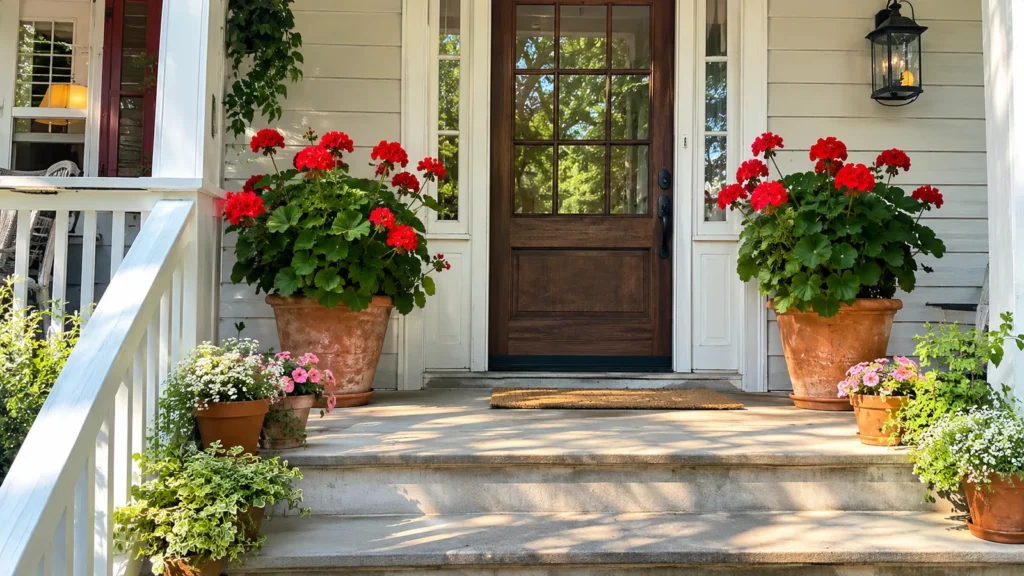
- Classic terracotta: Plant a red zonal geranium in a clay pot for a traditional patio accent; check moisture more often because terracotta dries quickly.
- Modern white ceramic: Display one white or deep-pink geranium in a simple drainage-equipped pot against neutral outdoor furniture.
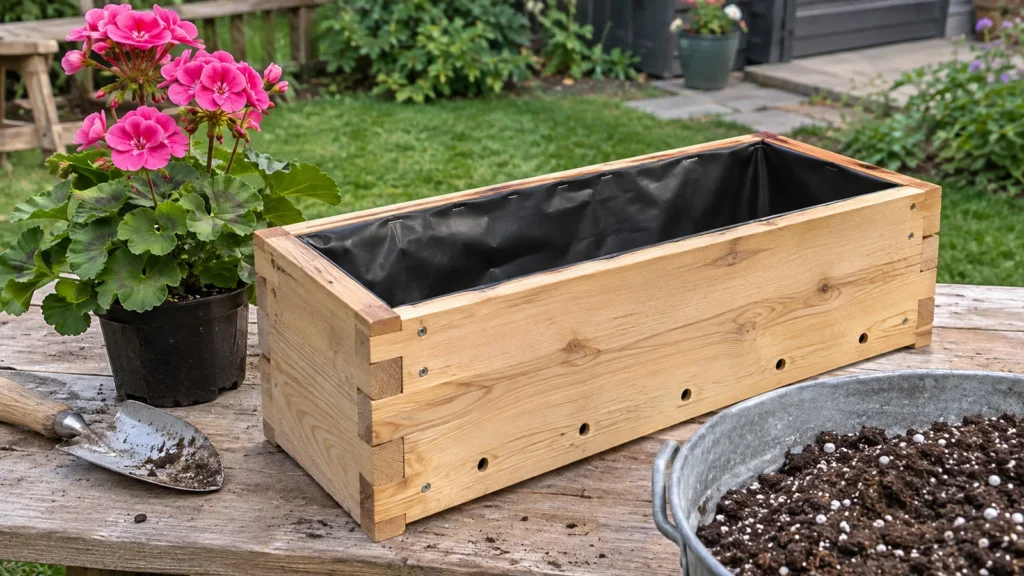
- Rustic wooden box: Group compact pink geraniums in a lined, well-drained wooden planter along a fence or deck.
- Pastel bowl: Combine compact salmon, pink, and white geraniums in a sufficiently deep, broad container without crowding roots.
- Minimalist single pot: Give one bushy dwarf geranium a clean cylindrical container for a small balcony or tabletop.
- Tabletop arrangement: Choose a low-growing Angel Pelargonium in a stable pot that won’t obstruct dining or conversation.
- Matching entrance pots: Position two red or white zonal geraniums on either side of a sunny front door.
- Layered porch steps: Arrange repeated flower colors in different-sized pots while keeping every step safe to use.
- Trailing patio display: Pair upright geraniums with controlled sweet potato vine in a generous container; trim the vigorous vine.
- Pathway repetition: Space matching geranium pots along a walkway without blocking movement or drainage.
For cohesion, repeat one dominant flower color and planter material.
How Do You Make DIY and Window Box Planters?
DIY geranium planter ideas are practical when the container is safe, stable, and properly drained. Painted terracotta, reclaimed wooden boxes, suitable metal tubs, and elevated stands can all work. Avoid containers contaminated by chemicals or missing drainage.
Window boxes require special care because limited compost volume, wind, and reflected heat can dry roots quickly. Use secure brackets rated for the box when completely watered, then choose compact upright geraniums for structure and trailing plants for softness. Keep windows functional and manage runoff.
Five creative planter projects
- Painted terracotta pot: Clean, dry, and paint the exterior with an outdoor-compatible finish, leaving drainage openings clear.
- Reclaimed wooden planter: Build a sound wooden box with drainage outlets and a liner that does not trap water.
- Upcycled metal tub: Smooth sharp edges, provide drainage, and protect roots from excessive heat in strong sun.
- Raised planter stand: Elevate sturdy planted pots to add height, checking that the stand supports wet soil safely.
- Cascading window box: Combine two compact zonal geraniums with a modest trailing companion in a roomy box, adjusting quantities to mature sizes.
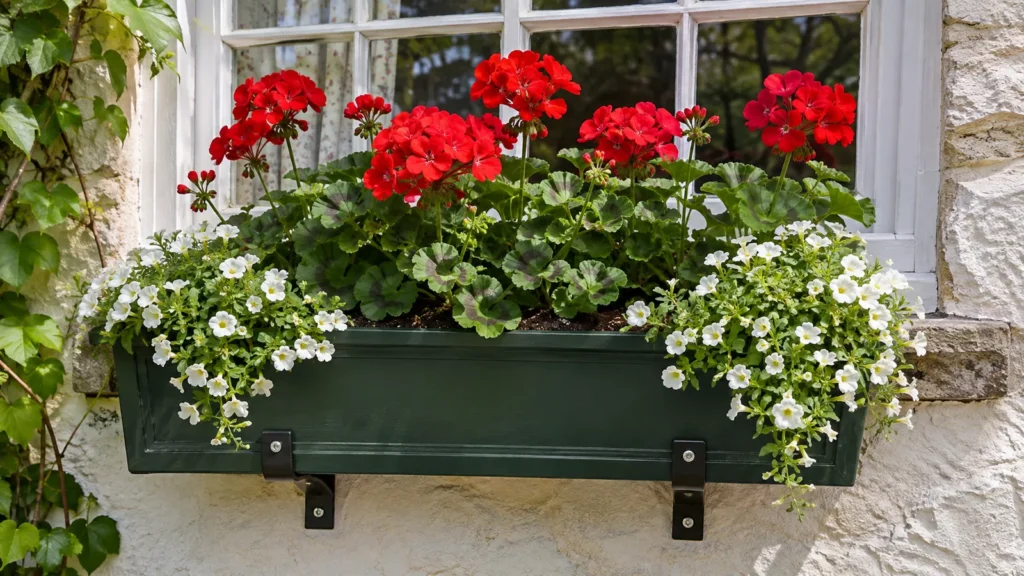
For window-box color, try red geraniums with white calibrachoa, pink geraniums with trailing verbena, or white geraniums alone for a restrained modern look. Blue lobelia and sweet alyssum also provide attractive contrasts, but they may prefer cooler or more consistently moist conditions, especially during intense heat.
A 24-inch (61 cm) box can start with approximately two compact geraniums if its depth and companion planting permit. Check mature width on plant labels.
What Pairs Well With Geraniums in Pots?
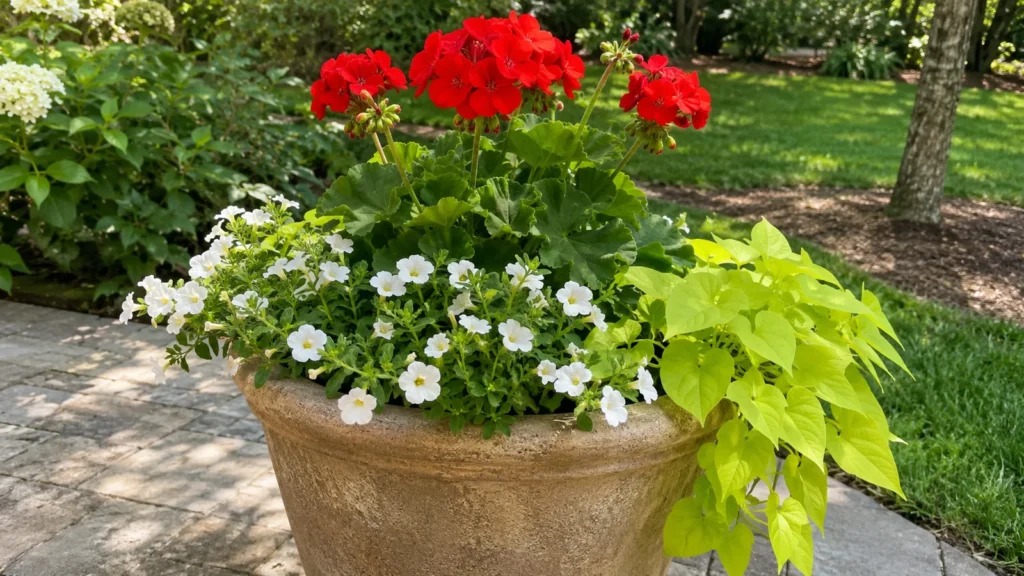
Companion plants should share the geranium’s light exposure, drainage needs, and available root space. Calibrachoa, trailing verbena, dusty miller, and selected petunias are useful options in sunny arrangements. Sweet potato vine adds chartreuse or dark foliage, but its vigorous growth can overwhelm a small pot unless trimmed regularly.
Design mixed containers using the thriller–filler–spiller method: an upright focal plant, a shorter plant to fill gaps, and a trailer that falls over the edge. Mississippi State University Extension specifically illustrates a sunny combination of zonal geranium, calibrachoa, and sweet potato vine. Match watering needs.
| Geranium combination | Appearance | Important trade-off |
|---|---|---|
| Red geranium + white calibrachoa | Crisp flower contrast | Both need adequate feeding |
| Pink geranium + trailing verbena | Soft cascading flowers | Allow space for the trailer |
| Red geranium + dusty miller | Silver-green foliage contrast | Avoid overcrowding |
| White geranium + dark sweet potato vine | Dramatic foliage contrast | Vine needs trimming |
| Salmon geranium + compact petunia | Warm, layered blooms | Monitor different water use |
- Put the main geranium toward the back of a one-sided planter, or near the center of a pot viewed from every side.
- Position trailers near edges without covering drainage holes.
- Prefer two coordinated flower colors rather than several competing combinations.
- Replace an incompatible companion instead of overwatering the whole container.
For the easiest maintenance, grow a single geranium in its own pot and place separate companion pots nearby. Separate pots simplify individual care.
What Pairs With Hardy Geraniums?
Hardy geraniums are true Geranium species, often forming spreading or mounding perennial growth rather than the rounded flower heads associated with Pelargonium. Their best companions depend on the species. Sunny cultivars suit catmint, salvia, sedum, and certain ornamental grasses; shade-adapted species can combine with heuchera or hostas when moisture requirements agree.
The long-flowering Geranium ‘Rozanne’ offers violet-blue flowers and spreading stems, making it attractive in a substantial container or beside roses. Its spreading growth needs room. Do not squeeze it into a small window box or assume every hardy species likes the same exposure.
- Sunny perennial pot: Hardy geranium with compact salvia for contrasting flower spikes.
- Cottage garden grouping: Hardy geranium beside a rose in the ground or in separate generous pots.
- Part-shade display: Shade-tolerant cranesbill with heuchera, selected for matching moisture needs.
- Low alpine trough: Compact Geranium cinereum types in sharply drained compost.
Choose a true geranium by its mature width, flowering season, and hardiness rating. Some die back during winter and return from the crown in spring; others remain partly evergreen in suitable climates. Potted roots may still need winter insulation.
What Size Planter Do Geraniums Need?
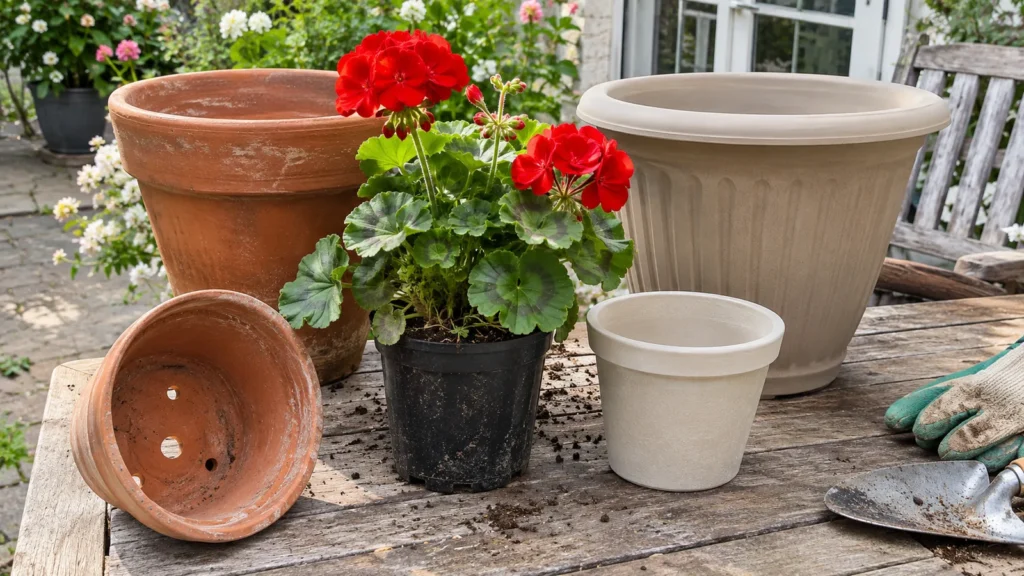
An 8–12-inch (20–30 cm) pot is a useful starting point for one established zonal geranium, although cultivar size and the existing root ball matter more than any universal measurement. Small or young plants may begin in smaller pots, while mixed arrangements require additional volume and spacing. Oversized pots can stay too wet.
Terracotta dries more quickly but offers a classic appearance; plastic and resin are lighter and usually retain moisture longer. Glazed ceramic looks polished but may be heavy, while wooden boxes provide flexible dimensions. Metal can become hot in exposed positions. Every material requires drainage and container compost.
| Container | Best starting use |
|---|---|
| 6–8 inches | Young or compact plant, with later repotting |
| 8–12 inches | One established zonal geranium |
| 12–16 inches | Larger single plant or carefully spaced combination |
| 16–20 inches | Mixed arrangement with compatible plants |
| 24-inch window box | Around two compact geraniums if depth permits |
- Choose a stable base for windy balconies and front steps.
- Keep the original nursery-pot soil surface near the new compost level.
- Use a removable inner nursery pot if the decorative outer container lacks drainage.
- Empty water collected in saucers or outer covers rather than leaving roots submerged.
Pots versus ground involve a trade-off: containers offer mobility and winter protection, while garden soil offers more stable moisture and growing space. Vigorous hardy geraniums often suit borders better; tender pelargoniums are convenient in movable pots where winters are cold.
How Do You Plant Geraniums in Containers?
Start with a compact, healthy geranium that has firm stems and no obvious pest damage. Choose a drained container, fill it with quality peat-free multipurpose potting compost, and position the plant at approximately the same depth as in its nursery pot. Water after planting until excess drains, then allow the compost to begin drying before watering again.
New greenhouse-grown plants need gradual exposure to outdoor sun and wind. This reduces transplant stress. Avoid planting tender pelargoniums permanently outdoors until frost danger has passed. Avoid planting during extreme heat.
Seven-step planting method
- Check the plant: Reject specimens with mushy stems, widespread yellowing, or heavy insect infestations.
- Inspect drainage: Confirm that water can leave the pot freely.
- Prepare compost: Use an airy container mix; follow product guidance for additional perlite if needed.
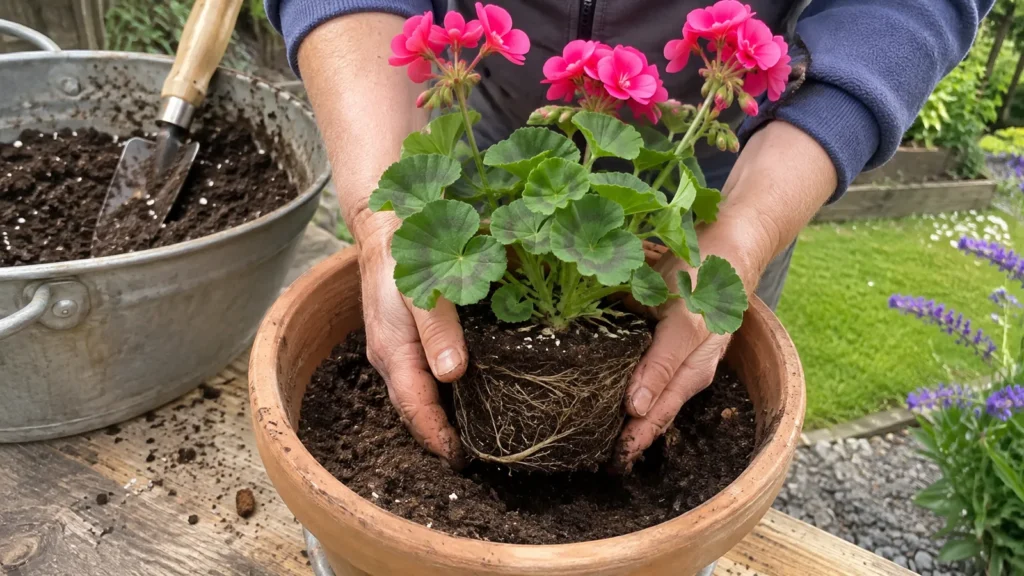
- Remove the nursery pot: Gently ease out the root ball and loosen badly circling roots.
- Set the depth: Keep the crown level with its previous growing position.
- Fill and water: Firm compost lightly, leave watering space below the rim, and drain thoroughly.
- Acclimate and monitor: Increase outdoor exposure gradually and check moisture during establishment.
Do not fill the bottom with gravel to compensate for missing drainage holes. Instead, select a proper pot and suitable compost. Once established, monitor growth, remove damaged foliage, and give companion plants enough room to develop without shading the geranium’s leaves.
Do Geraniums Need Sun and Daily Water?
Most zonal and ivy-leaved pelargoniums flower best in a sunny position, often with around six or more hours of direct light. Regal cultivars and newly acclimating plants may prefer protection from harsh afternoon sun. In very hot climates, partial afternoon shade can help prevent stress, particularly when pots stand on reflective paving.
Water according to the compost, not the calendar. Check the upper 1–2 inches (2.5–5 cm); if dry, water thoroughly and let excess drain. A small hanging basket may need daily checking during wind and heat, while a larger pot in mild weather stays moist longer. Daily watering is therefore sometimes appropriate, but never an automatic rule.
- Dry pot and wilting leaves: Water slowly and thoroughly, then reassess after drainage.
- Wet compost and yellow foliage: Check for poor drainage or damaged roots before adding water.
- Hot afternoon exposure: Move vulnerable containers away from radiating walls or provide shade.
- Humid conditions: Leave space between plants for airflow and remove decaying flowers.
- Cool or dormant season: Water less often as growth and evaporation slow.
There is no single temperature that is too hot for every geranium. Sustained heat around 90°F (32°C) or above is a useful signal to inspect moisture and root-zone conditions, not an absolute threshold. Heat-related flowering pauses do not necessarily require feeding.
How Do You Keep Geraniums Blooming and Bushy?
Beautiful geraniums need bright light, healthy roots, sensible feeding, and regular removal of spent flowers. The RHS recommends balanced liquid fertilizer in spring, then a potassium-rich feed once flowering begins, following label directions. Excess nitrogen can favor leaves over blooms, while applying extra fertilizer cannot correct shade or waterlogged compost.
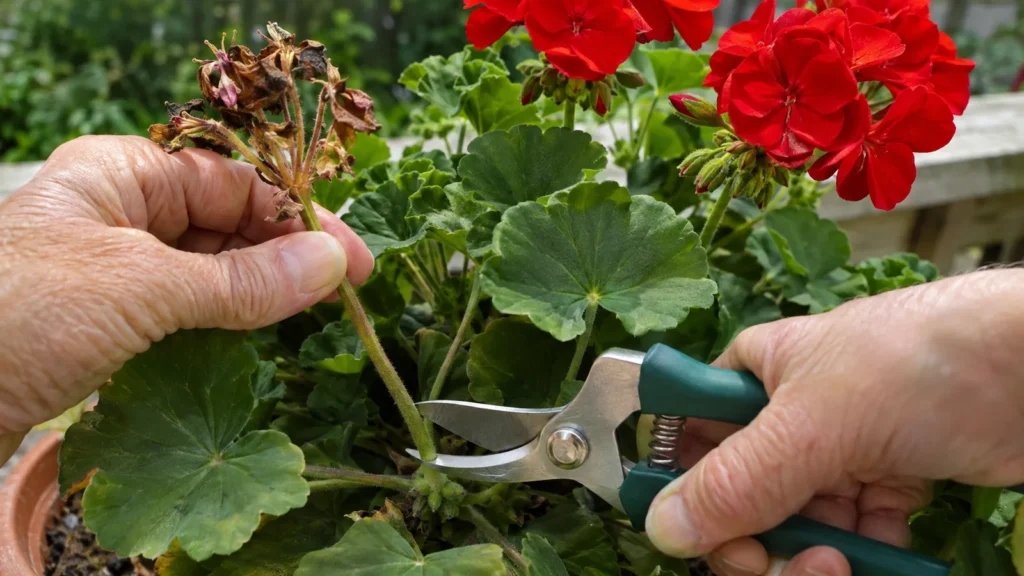
Many zonal and ivy-leaved pelargoniums bloom repeatedly through suitable warm seasons, rather than a fixed number of times each year. Remove whole faded flower stalks near their attachment point, without ripping the stem. Pinch soft shoot tips in spring or early summer to encourage branching; expect a short delay before pinched stems flower again.
Seasonal flowering checklist
- Give established plants enough direct light, adjusting for local heat.
- Check the root ball and drainage before changing feeding routines.
- Feed according to the product label and nutrients already in the compost.
- Deadhead faded clusters and remove diseased or decaying leaves.
- Pinch overly long young shoots above a healthy leaf node.
- Rotate one-sided pots occasionally so growth stays balanced.
- Allow for a natural pause when temperatures become stressful.
Regal varieties may flower in a more concentrated period than standard zonal types. For a long display, choose a repeat-flowering zonal or ivy-leaved cultivar rather than relying only on a photograph of its first flush. Plants that become woody over winter can be pruned when growth resumes, but severe pruning during peak heat may slow recovery.
Consistent care beats attempts to force blooms.
When Do Geraniums Grow and Return Each Year?
Plant tender pelargoniums outdoors after the local last frost. This may mean April–June in cool Northern Hemisphere regions or September–November in temperate Southern Hemisphere areas; mild tropical regions follow different seasonal patterns. Flowering commonly continues from late spring into autumn where weather remains suitable, but exact months depend on cultivar and climate.
Pelargoniums are perennial plants, even where gardeners treat them as one-season annuals. A potted plant may live for several years if protected from frost. Bring favorites into bright, airy, frost-free shelter before freezing weather, reduce watering as growth slows, and check for pests. Hardy cranesbills generally regrow from established crowns in suitable climates.
Keeping or multiplying favorite plants
- Overwinter a pot: Place it in bright, frost-free conditions and avoid persistently wet compost.
- Refresh in spring: Prune unhealthy growth, repot when needed, and gradually harden off outdoors.
- Take a cutting: Select a healthy nonflowering Pelargonium shoot about 3–4 inches (8–10 cm) long.
- Root in compost: Remove lower leaves and insert into lightly moist, free-draining propagation mix.
- Avoid stagnant humidity: Provide bright indirect light and good airflow while rooting.
Cuttings can go directly into a suitable soil-based or soilless propagation medium; rooting first in water is unnecessary. Keep new cuttings out of intense sun until established. Alternatively, buy new plants in spring. For permanent groundcover, select an appropriately hardy true geranium instead of a tender Pelargonium.
Why Are Geraniums Not Flowering?
A geranium with healthy leaves but few flowers often lacks sunlight, receives too much nitrogen, or has recently been pinched. Wet compost, crowded roots, pests, high temperatures, and cultivar-specific flowering habits are other possibilities. Diagnose the simplest causes before buying supplements or repotting an otherwise healthy plant.
Coffee grounds, baking soda, and Epsom salt are frequently promoted as flowering shortcuts, but they are not substitutes for complete fertilizer or sound care. Brewed coffee grounds are generally close to neutral pH and provide limited immediately available nutrition. Epsom salt supplies magnesium only when needed; adding it without evidence of deficiency is unnecessary. Baking soda adds sodium and does not reliably stimulate blooms.
| Symptom | First check | Practical response |
|---|---|---|
| Lots of leaves, few blooms | Light and nitrogen | Improve exposure; review feed |
| Long, weak stems | Insufficient light | Move gradually to brighter conditions |
| Yellow leaves, soggy pot | Drainage and roots | Reduce watering; check root health |
| Brown, fading clusters | Spent flowers or dampness | Deadhead; improve airflow |
| Flowers stop during heat | Exposure and root temperature | Shade stressed pots appropriately |
- Inspect the underside of leaves for pests before blaming nutrients.
- Avoid repeated drastic pruning when flower buds are forming.
- Do not apply household powders to the compost without a defined purpose.
- Replace severely root-damaged plants when recovery is unrealistic.
Prioritize a healthy plant, drained pot, quality compost, and suitable fertilizer before buying decorative accessories.
Frequently Asked Questions
Can geraniums grow in planters?
Yes. Zonal and ivy-leaved pelargoniums grow well in pots with adequate root space, free-draining compost, and suitable light.
What flowers grow well with geraniums?
Calibrachoa, trailing verbena, and some petunias suit sunny containers. Match light and watering needs before combining plants.
How many times do geraniums bloom?
Many zonal and ivy geraniums produce repeated flower clusters through their growing season; they have no fixed annual bloom count.
What month do geraniums flower?
Often late spring through autumn in temperate Northern Hemisphere climates. Flowering shifts with local seasons and the cultivar.
Which geranium flowers the longest?
Selected zonal and ivy pelargoniums offer lengthy summer displays. Among hardy geraniums, ‘Rozanne’ is known for a long flowering period.
Should geraniums be watered daily?
Not routinely. Check compost moisture; small pots in hot, windy weather may need daily watering, while larger pots need less.
Do geraniums prefer pots or ground?
Both work. Pots allow mobility and winter protection; ground planting usually gives roots more room and stable moisture.
Can geraniums survive winter in pots?
Tender pelargoniums need frost-free shelter. Hardy geraniums may survive outdoors if suitable for the climate and container conditions.
Can geranium cuttings root directly in soil?
Yes. Place healthy nonflowering stem cuttings in lightly moist, free-draining propagation mix and provide bright indirect light.
What makes geraniums bloom more?
Adequate light, balanced feeding, healthy drainage, consistent watering, and deadheading support flowering. Avoid unproven household remedies.
Final Thoughts
The best geranium planter ideas balance appearance with the conditions plants actually need. Start with the right Pelargonium or hardy Geranium, choose an appropriately sized drained container, and repeat colors for a cohesive display. Then add companions only where light, space, and watering needs align. Good plant selection and steady care produce more dependable results than crowded designs or quick-fix treatments.
Myra is the founder and lead writer of Backyard Planter Ideas, where she shares practical, well-researched guidance on planter design, plant selection, and outdoor styling. Her goal is to help homeowners create attractive, functional garden spaces with clear, reliable, and easy-to-apply advice.
Blueberry Planter Ideas: Best Pots, Soil, and Growing Tips
The best blueberry planter ideas use spacious containers, acidic potting mix, and varieties suited to local weather. Wooden barrels, large patio pots, raised troughs, and compact balcony planters can all work. Aim for soil pH 4.5–5.5, steady moisture, and ample...
Hosta Planter Ideas: 21 Beautiful Designs for Shady Spaces
Hosta planter ideas can turn shaded patios, porches, balconies, and garden corners into striking foliage displays. Hostas grow successfully in containers when they have drainage holes, moisture-retentive potting mix, adequate root space, and protection from harsh afternoon sun. The best...
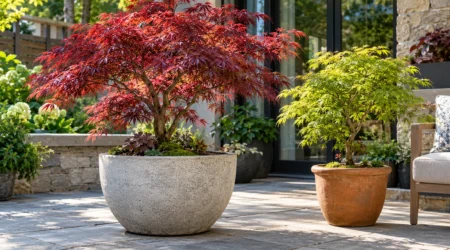
21 Japanese Maple Planter Ideas for Beautiful Outdoor Spaces
Japanese maple planter ideas can turn an ordinary patio, balcony, or courtyard into a garden focal point. Japanese maples (Acer palmatum) grow well in containers when their roots have drainage, consistent moisture, and protection from extreme sun and cold. The...
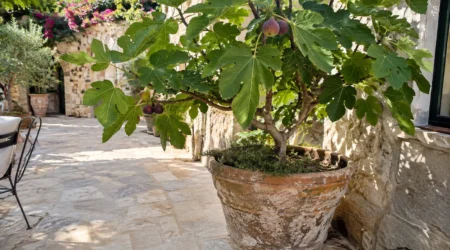
Fig Tree Planter Ideas
The best fig tree planter ideas balance appearance with drainage, root space, and sunlight. Terracotta pots, wooden half-barrels, glazed ceramic containers, and lightweight resin planters all accommodate edible figs. Established trees generally benefit from around 15 gallons (57 liters) of...
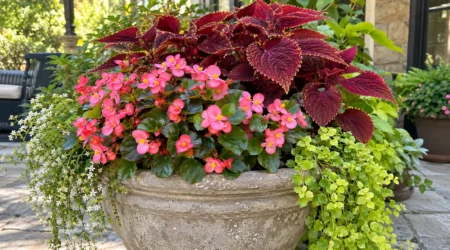
Begonia Planter Ideas: 15 Beautiful Combinations for Every Space
Begonia planter ideas work best when flower color, foliage, container size, and light requirements fit together. Choose wax begonias for compact outdoor displays, trailing varieties for hanging baskets, or Rex begonias for striking indoor leaves. Combine compatible plants in well-drained...
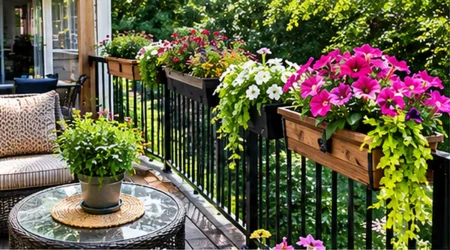
Railing Planter Ideas: Best Designs, Plants, and DIY Tips
Railing planter ideas make balconies, decks, and porches greener without sacrificing floor space. The best choices are securely fitted saddle planters, bracket-mounted flower boxes, and hanging baskets planted with compact flowers, herbs, or strawberries. Match the container to your railing,...
11 Best Vegetables for Deep Planters: Complete Soil Depth Guide
The best vegetables for deep planters are carrots, parsnips, daikon radishes, potatoes, sweet potatoes, tomatoes, cucumbers, peppers, eggplants, zucchini, and pole beans. Most benefit from approximately 12–24 inches of usable growing mix, although the right depth depends on variety, container...
Boxwood Planter Ideas
Boxwood planter ideas bring year-round greenery to front doors, patios, courtyards, and garden pathways. These evergreen shrubs grow well in outdoor containers when they have enough root space, a free-draining growing medium, and consistent moisture. Choose compact varieties suited to...
Potato Planter Ideas: 15 Easy Containers and DIY Growing Tips
Potato planter ideas range from fabric grow bags and large plastic pots to wooden boxes and homemade bucket planters. For most beginners, a wide, opaque 10–15-gallon (38–57-liter) container with drainage, loose potting mix, and six to eight hours of sunshine...
25 Trough Planter Ideas for Beautiful Outdoor Spaces in 2026
Trough planter ideas turn patios, balconies, fences, and small backyards into productive, attractive gardens. The best designs pair a long, suitable container with plants that share similar light, moisture, and root-space needs. Wooden herb boxes, galvanized flower troughs, evergreen displays,...