

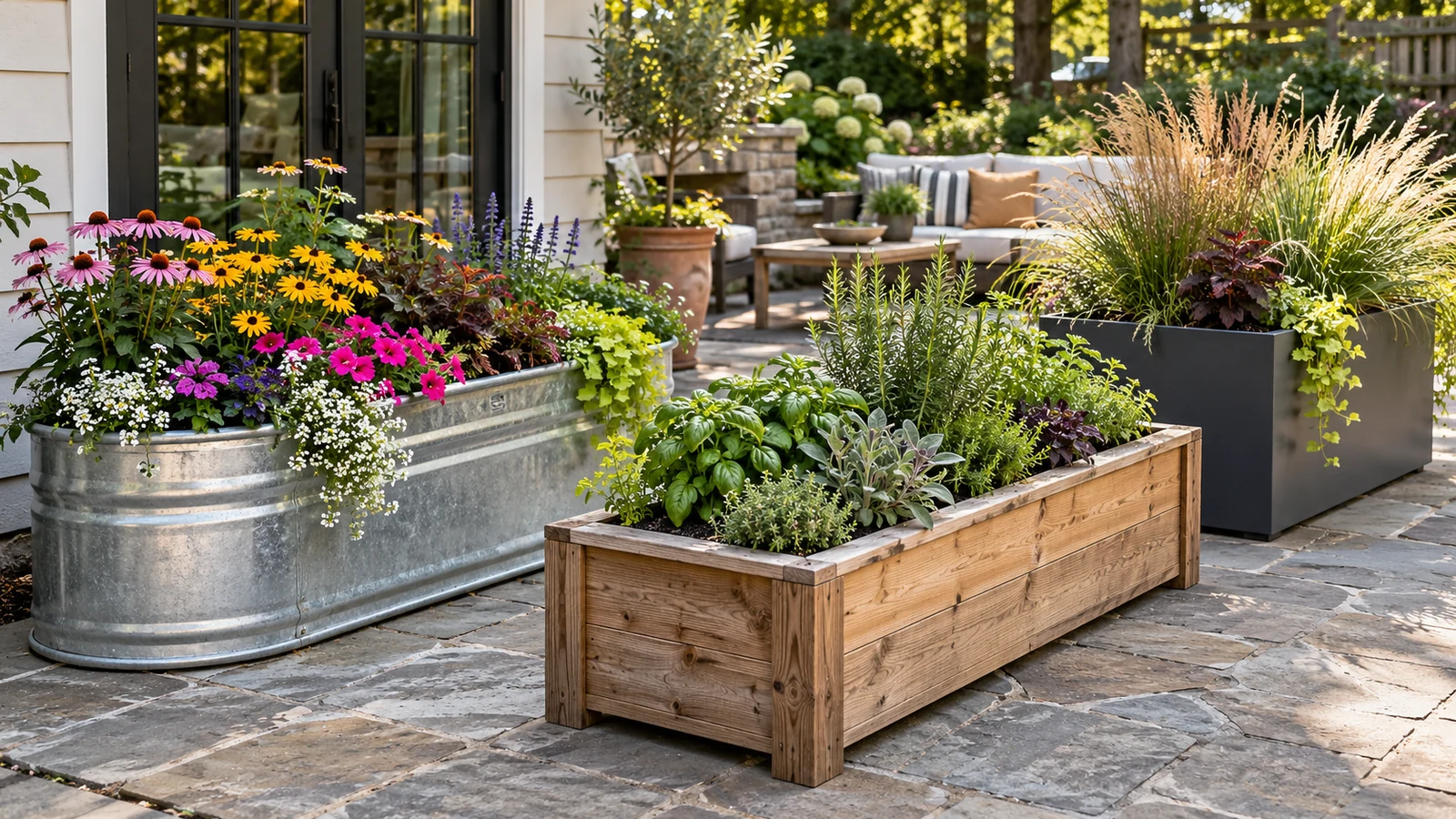
Trough planter ideas turn patios, balconies, fences, and small backyards into productive, attractive gardens. The best designs pair a long, suitable container with plants that share similar light, moisture, and root-space needs. Wooden herb boxes, galvanized flower troughs, evergreen displays, and compact vegetable gardens can all work when drainage and growing media are planned first.
This backyardplanterideas guide covers plants, materials, construction, and common mistakes. Adapt every planting choice to your local climate.
What Are the Best Trough Planter Ideas?
The best trough planter ideas use the container’s length to create repeated planting patterns, practical growing rows, or a defined garden boundary. Choose the function first: flowers for color, herbs for harvesting, evergreen foliage for structure, or mixed planting for wildlife. A narrow trough should not contain large plants that will quickly overwhelm its soil volume.
For patios, align matching troughs along an edge. Galvanized steel suits rustic spaces; charcoal boxes suit modern paving. In windy locations, prioritize stability. Try these 25 ideas:
- 1. Galvanized flower trough: Petunias and trailing lobelia for sunny color.
- 2. Wooden herb trough: Rosemary, thyme, sage, and oregano.
- 3. Modern charcoal box: Repeated compact grasses and white flowers.
- 4. Alpine rock trough: Sempervivum, sedum, saxifrage, and surface grit.
- 5. Shaded foliage trough: Heucheras, compact ferns, and small hostas.
- 6. Evergreen entry trough: Dwarf conifer with seasonal accents.
- 7. Pollinator trough: Locally suitable nectar-rich flowers.
- 8. Salad trough: Lettuce, radishes, and spring onions.
- 9. Strawberry trough: Plants near edges for hanging fruit.
- 10. Mediterranean trough: Lavender and free-draining culinary herbs.
- 11. Trellis trough: Deep container supporting compact climbing beans.
- 12. Cottage trough: Violas, dianthus, and calendula.
- 13. Winter trough: Hardy foliage with cold-season violas.
- 14. Stock-tank garden: Converted livestock trough for edible crops.
- 15. Reclaimed timber box: A characterful planter from safe boards.
- 16. Balcony divider: Narrow, wind-secured row of foliage.
- 17. Tiered display: Coordinated troughs at different heights.
- 18. Monochrome flowers: One flower color in repeated groups.
- 19. Drought-conscious trough: Hardy sedum and compact grasses.
- 20. Reused container: Clean, nonhazardous vessel with drainage.
- 21. Tropical-look trough: Coleus and begonias in shelter.
- 22. Spring bulb trough: Dwarf daffodils and crocuses.
- 23. Sensory trough: Fragrant herbs beside a pathway.
- 24. Modular trough grouping: Movable containers arranged together.
- 25. Mini-meadow trough: Regionally appropriate grasses and perennials.
Keep the palette controlled: repeating three compatible plants usually creates a clearer design than mixing ten unrelated varieties.
Which Plants Grow Best in Troughs?
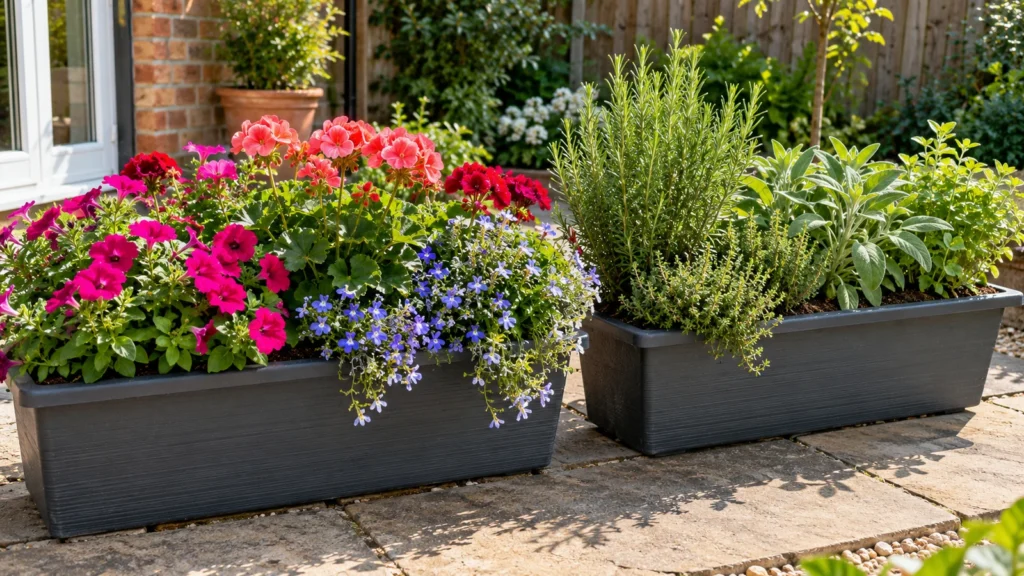
Compact plants with similar watering requirements grow best in troughs. For sunny flower boxes, consider petunias, calibrachoas, dwarf zinnias, and compact pelargoniums. In partial shade, begonias, heucheras, and violas are often better choices. For a shaded foliage display, try small ferns, hostas, and appropriate sedges, selecting species suited to the local climate.
Root competition increases in shallow boxes. Check mature plant sizes. Repeat medium plants along the middle, place taller ones sparingly, and let trailing varieties soften the front without hiding shorter flowers.
Which herbs and vegetables suit a trough?
- Sunny herbs: Thyme, rosemary, sage, and oregano prefer freely draining conditions.
- Moisture-loving herbs: Parsley and mint need more consistent water; contain spreading mint separately.
- Easy vegetables: Lettuce, spinach, radishes, spring onions, and compact chard suit appropriately deep boxes.
- Fruit crops: Strawberries work along edges; tomatoes and peppers require considerably more soil per plant.
- Pollinator plants: Choose regionally suitable flowering species and avoid invasive selections.
Do not mix lavender with moisture-loving ferns or drought-tolerant succulents with thirsty annuals in the same irrigation zone. For edible plantings, choose containers of known material safety and leave room to harvest. Plant compatibility matters more than appearance alone.
Which Trough Plants Look Good All Year?
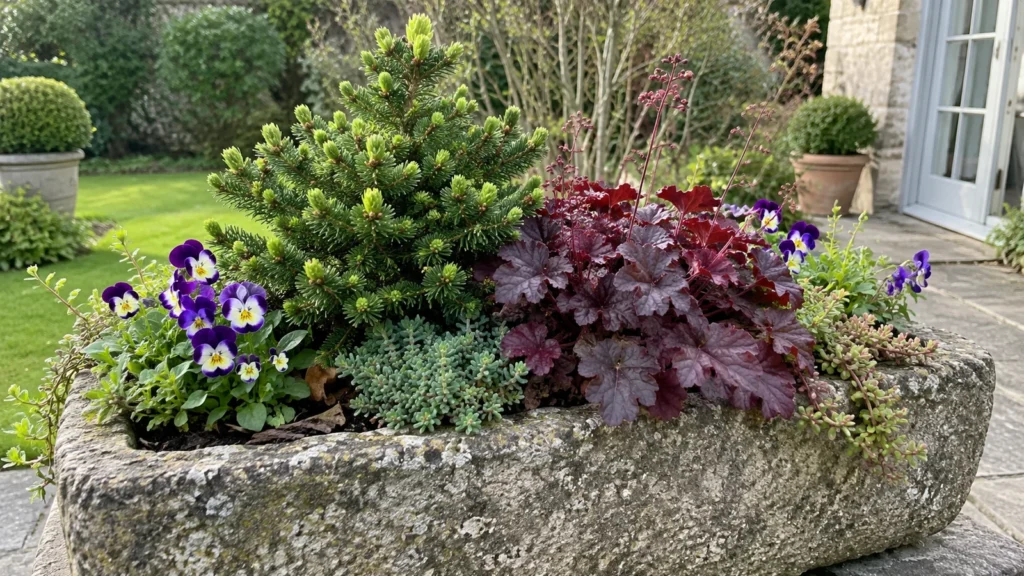
An all-season trough combines permanent foliage with a changing selection of flowers. Evergreen dwarf conifers, compact evergreen shrubs, heucheras, and some hardy sedums provide structure where the climate permits. Seasonal violas, spring bulbs, and summer bedding plants then supply additional color without requiring the entire container to be replanted.
No flower blooms reliably for twelve months in every climate. Frost, heat, and short days affect flowering. In warm regions, some cultivars bloom longer; elsewhere, combine foliage, seedheads, and flowers.
What should each season contribute?
- Spring: Dwarf daffodils, crocuses, violas, and emerging perennial leaves.
- Summer: Petunias, compact salvias, and other locally suitable annuals.
- Autumn: Ornamental grasses, heuchera foliage, and late flowers.
- Winter: Hardy evergreens and architectural stems; avoid tender plants outdoors.
For low maintenance, a sunny alpine trough containing sempervivum, sedum, and suitable saxifrages may need less routine feeding than a densely planted flower box. However, even drought-adapted plants need moisture during establishment.
Container roots may need winter protection even when the plant survives outdoors in the ground. Plan replacements before each season changes: leave gaps between permanent plants for small removable annuals, and never disturb evergreen roots merely to swap seasonal colors.
What Are the 2026 Trough Planter Trends?
Practical 2026 trough planter trends emphasize flexible small-space layouts, reclaimed materials, wildlife support, and planting that looks natural rather than over-arranged. The RHS Chelsea Flower Show 2026 featured modular balcony layouts and wildlife-focused containers, although trends vary internationally.
For a modern patio, repeat a small selection of grasses and flowering perennials in coordinated boxes. For a rustic yard, reuse a clean container or responsibly sourced timber. For rented spaces, choose movable modules instead of one oversized bed.
Which trends are worth copying?
- Modular arrangements: Several smaller troughs can be rearranged as sunlight or seating changes.
- Naturalistic planting: Combine subtle grasses with appropriate flowering perennials for texture and movement.
- Pollinator support: Use locally adapted plants that flower at different times.
- Edible design: Mix compact vegetables and herbs without sacrificing access or root space.
- Restrained materials: Let weathered wood, matte metal, or stone-effect finishes complement the greenery.
Do not copy British show plantings into tropical or drought-prone settings without adapting them. Suit the design to your site. Before following a trend, consider whether its plant palette supports local pollinators, whether the materials can be repaired, and whether irrigation is realistic.
Which Trough Planter Materials Last Longest?
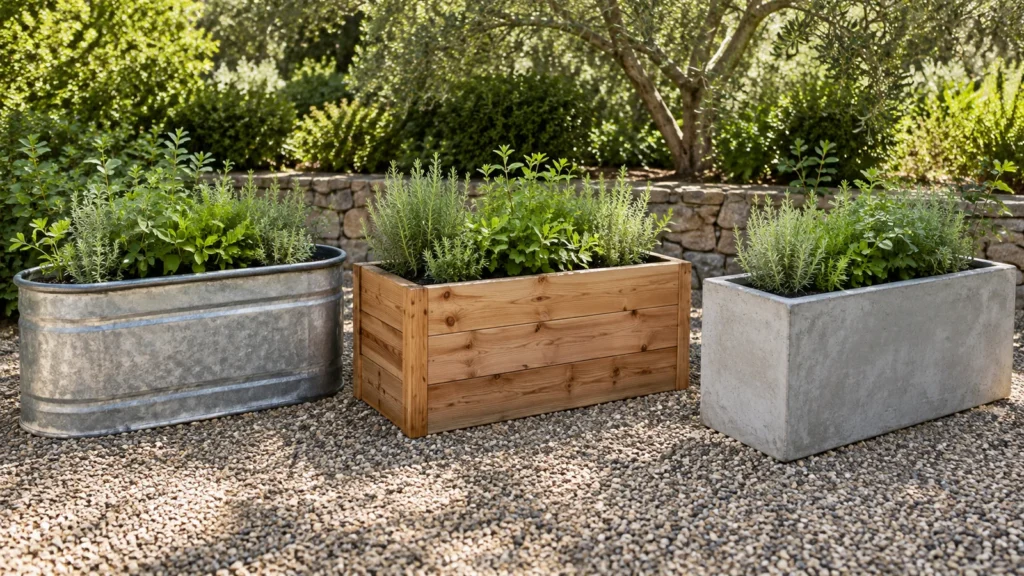
Stone, well-made concrete, quality fiberglass, corrosion-resistant metal, and properly constructed wood can all serve for years, but lifespan depends on climate and product quality. Fiberglass is light; concrete is heavy. UV-stabilized plastic costs less, while ceramic that is not frost-resistant can crack in winter.
Galvanized livestock water troughs make practical planters when clean, sound, and fitted with drainage. Metal sides may overheat in strong sun; verify the support can carry saturated soil.
How do common materials compare?
- Galvanized steel: Strong and rustic; inspect coatings, edges, and corrosion.
- Cedar or other durable wood: Attractive and easy to customize; keep the base ventilated.
- Fiberglass: Lightweight for its size; choose exterior-grade, UV-resistant construction.
- Plastic: Affordable and moisture-retentive; select outdoor-rated, suitable material.
- Stone or concrete: Stable and substantial; verify load capacity and frost resistance.
- Ceramic: Decorative for smaller troughs; avoid vulnerable finishes in severe winters.
For vegetables, avoid containers that previously held industrial chemicals, fuel, or unknown treatments. Favor products intended for growing food and verify liners or coatings with the manufacturer.
No one material is automatically healthiest: material safety, drainage, sunlight exposure, and clean growing media are all relevant. For long-term permanent displays, prioritize replaceable liners, accessible screws, and raised feet so small repairs do not require dismantling the entire planted box.
How Deep Should a Trough Planter Be?
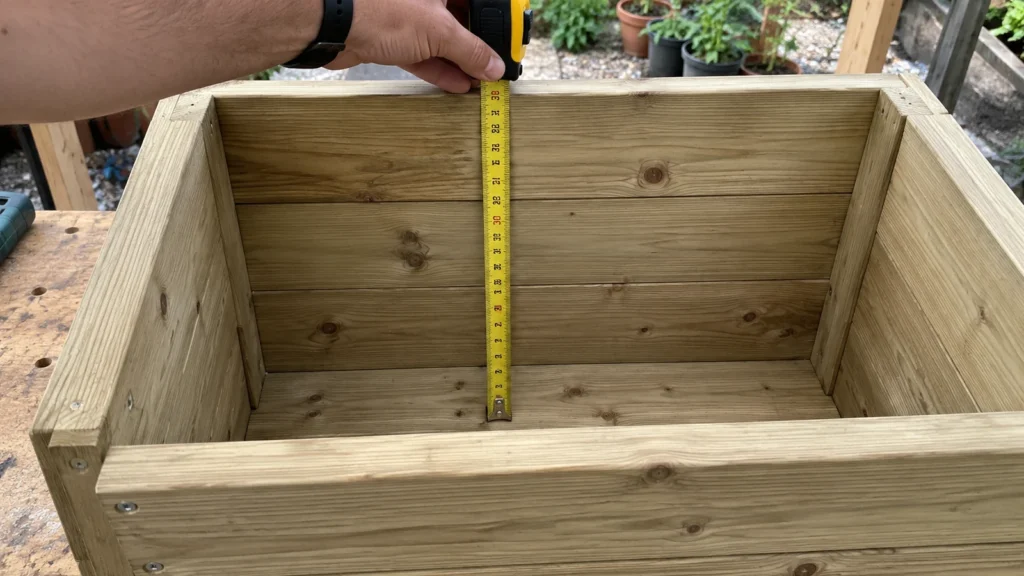
Match planter depth to the mature root system, not the height of young plants. Around 15–20 cm of suitable medium can support many small alpines, radishes, and salad greens. Mixed annual flowers often benefit from approximately 20–30 cm, while substantial herbs and compact fruiting vegetables generally need deeper containers and greater total soil volume.
Length cannot replace root depth: a 120 cm long, 15 cm deep trough may suit lettuce but not several tomatoes. Check mature root requirements.
How much soil will you need?
Calculate the inside volume in litres using length × width × depth in centimeters ÷ 1,000. A 100 × 40 × 35 cm box holds about 140 litres before allowing for the watering gap and planted root balls. Purchase enough quality mix to fill the usable root zone without compressing it tightly.
- Shallow trough: Small alpine plants, leaf lettuce, and some annuals.
- Medium-depth trough: Most mixed flower boxes and culinary herbs.
- Deep, wide trough: Compact fruiting crops and selected small shrubs.
- Balcony placement: Confirm the structural weight rating before filling.
Wet troughs are heavy. Position the box level, maintain access, and keep walkways and building drains clear. For vegetable crops, inspect seed packets for mature plant spacing; do not assume a long container automatically supports more full-sized tomatoes.
Do Trough Planters Need Drainage Holes?
Yes. Ordinary soil-filled trough planters require openings that let surplus water escape. Without drainage, roots may remain saturated, oxygen becomes limited, and root disease becomes more likely.
A correctly engineered self-watering planter is different because its reservoir and overflow manage water intentionally; a sealed decorative container is not the same system.
Distribute outlets along the base, elevate blocked openings, and test runoff after watering. Follow manufacturer drilling instructions, especially for metal or ceramic.
How should a trough drain?
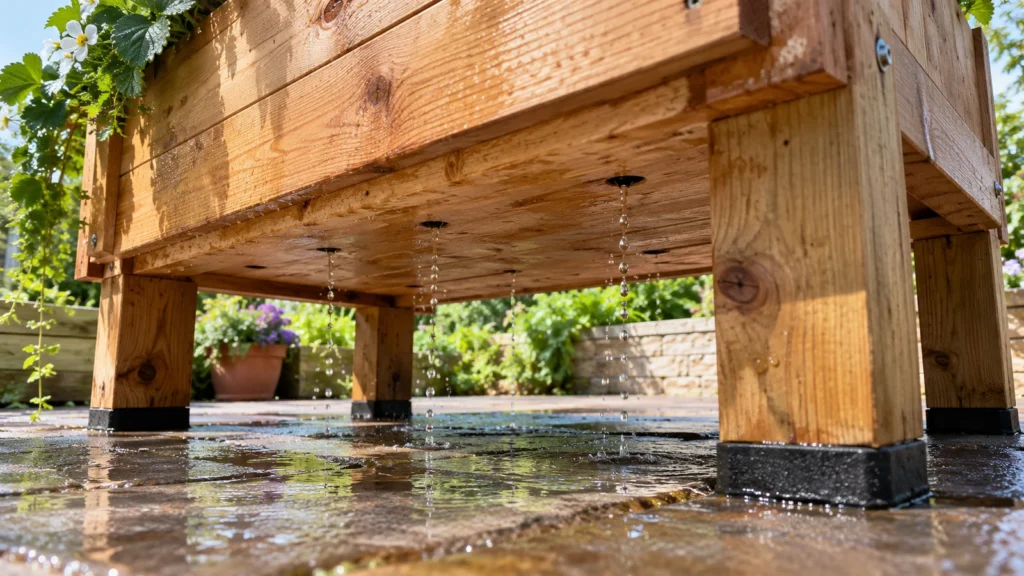
- Check for outlets before adding soil or liner.
- Drill only where the structure and material safely permit.
- Place porous mesh over large holes to limit soil loss.
- Raise the base slightly if the surface blocks the openings.
- Water thoroughly and observe whether surplus water exits.
- Recheck drainage after leaf litter or roots accumulate.
Without holes, use removable draining inner pots or a purpose-built reservoir. Empty collected water; pebbles are not a substitute.
University of Maryland Extension specifically advises drainage openings and notes that gravel in the base does not improve water movement.
During prolonged rainfall, check that outlets have not become blocked by surface contact, roots, or decomposing leaves before assuming the plants need less irrigation.
What Goes in the Bottom of a Trough?
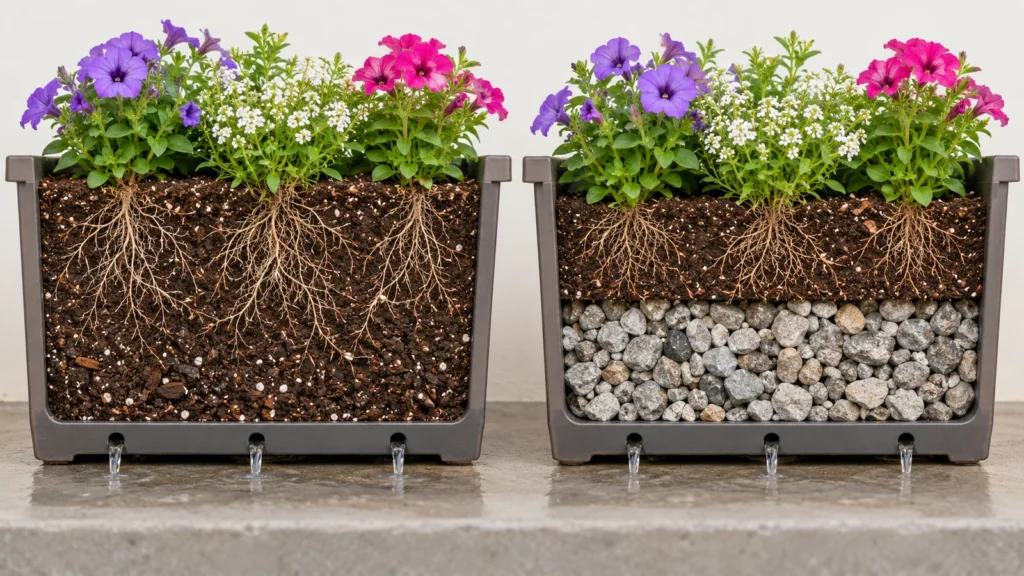
In most closed-bottom troughs, fill the root zone with an appropriate container potting mix rather than placing stones, bottles, or broken pottery underneath.
Gravel does not improve drainage: water can remain perched in the finer medium above the coarse layer, leaving less usable space for roots. Use porous mesh directly over oversized drainage openings only when necessary.
Choose general potting mix for flowers and vegetables, or a gritty blend for suitable alpines. Surface grit is different from a gravel base.
Can you use cardboard or plastic?
- Cardboard: Useful temporarily beneath an open-bottom raised bed to suppress grass, not as a permanent base inside a closed container.
- Plastic liner: Suitable on wooden sidewalls when compatible with the plants, but must not seal off necessary outlets.
- Mesh: Helps stop mix spilling through large drainage holes.
- False bottom: Use only a structurally sound, purpose-built design that preserves drainage and adequate root depth.
- Random household filler: Avoid material that shifts, decomposes unpredictably, or creates standing water.
Open-bottom beds allow roots into safe ground soil; freestanding troughs confine roots. Fill them differently.
A shallow decorative trough may benefit from being replanted into a properly sized container rather than modified with improvised drainage layers. The aim is enough oxygen and usable growing volume throughout the roots.
How Do You Line a Wooden Trough?
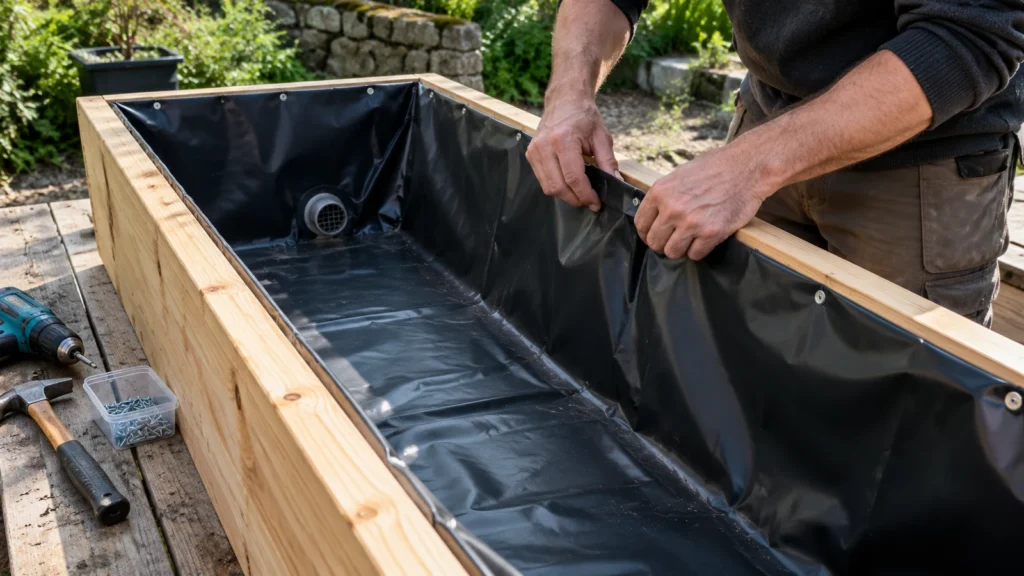
A liner can reduce constant moisture contact with wooden sides and make a trough easier to clean. Choose an appropriate heavy-duty polyethylene sheet, removable rigid insert, or permeable landscaping fabric according to the structure.
A liner protects timber only when water can still leave the planting area; an airtight waterproof pocket risks trapping water against the base.
For edibles, avoid plastics with unknown history. Soil can touch untreated durable timber directly, but wood weathers. Liners cannot fix waterlogged bases.
How do you install the liner?
- Clean and dry the interior; remove splinters and projecting fasteners.
- Measure and cut the material without stretching it tightly.
- Secure the sheet along the upper inside edges, avoiding exposed sharp staples.
- Keep the drainage path through the base open and functional.
- Fill with a suitable medium, then test water flow immediately.
Slatted boxes benefit from permeable fabric. Solid bases need clear outlets, not sealed waterproof pockets.
Inspect liners for tears and trapped moisture. When fastening a liner, leave space at the top for soil and watering; keep the edges tidy so wet material cannot fold over and seal the drainage route.
How Do You Build a DIY Trough Planter?
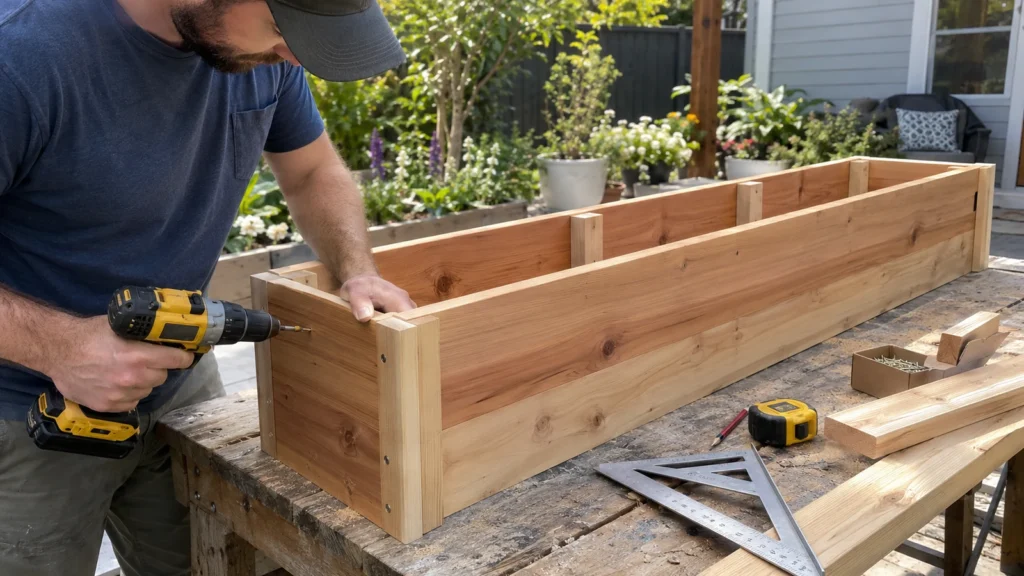
A straightforward DIY trough planter is a rectangular timber box with reinforced corners, a supported base, and unobstructed drainage.
Start with an achievable size, such as approximately 100 cm long, 35 cm wide, and 30 cm high. Exact board lengths depend on timber thickness and whether the end panels sit between or outside the long sides.
Use durable timber, exterior screws, supports, saw, square, tape, and drill. Assemble level and reinforce long sides against saturated soil weight.
What are the construction steps?
- Measure: Sketch inside dimensions and determine board lengths.
- Cut: Saw two long walls, two end walls, base boards, and supports.
- Assemble: Fasten corners squarely with exterior-rated hardware.
- Support: Attach a strong base with safe drainage gaps or openings.
- Finish: Smooth edges, fit stable feet, and check for rocking.
- Line: Protect suitable inner surfaces without blocking drainage.
- Plant: Position first, add potting mix, and water to test outlets.
Use appropriate protective equipment and follow tool safety instructions. Avoid salvaged timber with unknown chemical treatments for food crops.
Reused sinks and crates also need secure support and drainage. Before filling your new planter, place it on its permanent supports and pour water through the empty base to find low spots and blocked outlets.
How Can You Make Trough Planters Cheaply?
Affordable trough planter ideas begin with choosing the smallest container that meets the plants’ needs. Reclaimed untreated boards, sound wooden crates, suitable food-grade tubs, and repurposed sinks may be inexpensive alternatives to premium planters.
However, a free container is poor value when it needs extensive reinforcement, lacks drainage, or has an unsafe previous use.
Do not fill closed troughs with bottles, rubble, waste, or gravel to cut costs. Compare bulk media or place separate nursery pots inside decorative boxes.
How can you reduce costs safely?
- Use locally available untreated wood from a traceable source.
- Reuse clean, structurally sound containers with proper outlets.
- Grow economical plants from seed where practical.
- Propagate suitable herbs or divide established perennials.
- Repeat affordable plant varieties for a coordinated appearance.
- Build an open-bottom raised bed when ground conditions permit.
For an open-bottom bed on lawn, plain uncoated cardboard can suppress grass beneath soil and compost while decomposing over time. That method does not apply to a closed-bottom balcony trough.
Budget for soil and drainage before decorative finishes. For a fair DIY comparison, price the whole project—not just the timber—including screws, liner, mix, plants, and delivery or transport.
How Do You Prevent Trough Planter Problems?
Incorrect watering is among the most common container-plant mistakes. Too much water reduces air around roots, while too little leaves plants wilted and stunted.
Check moisture a few centimeters below the surface and water according to plant needs, rainfall, wind, and temperature rather than assuming every trough needs daily watering.
Other problems include crowding, compacted garden soil, poor feeding, and incorrect light. Inspect plants weekly and follow fertilizer labels; alpines need less feeding than productive annuals.
Do household remedies help?
- Baking soda water: Not a general plant tonic; excessive sodium may damage container media.
- Vinegar: Not a balanced fertilizer and can injure roots or foliage.
- Coffee grounds: Better composted appropriately than spread in thick layers inside pots.
- Epsom salt: Supplies magnesium and sulfur only when these nutrients are genuinely needed.
- Salt, vinegar, and baking soda mixtures: Do not produce a useful plant fertilizer or dependable bug repellent.
For yellowing, assess water, roots, light, and nutrients first. Identify pests before treating them; avoid untested sprays on edible crops.
If the top is dry but the lower mix remains soggy, improve drainage and reduce watering rather than adding more fertilizer or household additives.
Frequently Asked Questions About Trough Planters
Can any water trough become a planter?
A clean, sturdy trough can often be converted after adding drainage. Avoid containers with unknown chemical residues or unsafe coatings, especially for edible crops.
What is the easiest vegetable to grow in a trough?
Leaf lettuce and radishes are beginner-friendly when they receive enough light, moisture, and root space. Harvest timing depends on cultivar and climate.
Can trough planters remain outside during winter?
Yes, if both plants and materials tolerate local conditions. Protect vulnerable roots, prevent waterlogging, and check whether ceramics are frost-resistant.
What is the best liner for a wooden trough?
A durable plant-compatible sidewall liner or removable insert can work. Preserve functional outlets; lining the entire base without drainage can trap water.
Do plants grow better in plastic or ceramic troughs?
Neither always wins. Plastic generally retains moisture longer, while unglazed ceramic dries faster. Choose according to plants, climate, and weight requirements.
Which plants should not share a trough?
Avoid mixing plants with conflicting light and moisture needs, such as lavender and moisture-loving ferns. Vigorous mint can also crowd neighboring herbs.
What if a trough has no drainage holes?
Use separate inner pots that can drain outside the trough, then empty accumulated water. Alternatively, choose an engineered self-watering system with overflow.
Can any plant flower for twelve months?
No plant is guaranteed to flower continuously outdoors in every climate. Combine evergreens, bulbs, and locally suitable seasonal flowers for reliable year-round interest.
What is the cheapest planter alternative?
A sound reclaimed wooden box or suitable food-grade tub can be economical. Add drainage and confirm the material has not held harmful substances.
How often should I replace trough soil?
Refresh depleted mix when growth declines or repot overcrowded plants. Annual vegetable crops often benefit from renewed nutrients; permanent plants may need periodic division.
Final Thoughts
Strong trough planter ideas begin with compatible plants, enough root volume, effective drainage, and a container suited to the setting.
Start with a manageable flower or herb trough, then expand to galvanized stock tanks, DIY wooden boxes, or year-round evergreen designs once the basics work reliably.
For backyardplanterideas readers, practical plant health should always guide decorative choices.

Myra is the founder and lead writer of Backyard Planter Ideas, where she shares practical, well-researched guidance on planter design, plant selection, and outdoor styling. Her goal is to help homeowners create attractive, functional garden spaces with clear, reliable, and easy-to-apply advice.
Blueberry Planter Ideas: Best Pots, Soil, and Growing Tips
The best blueberry planter ideas use spacious containers, acidic potting mix, and varieties suited to local weather. Wooden barrels, large patio pots, raised troughs, and compact balcony planters can all work. Aim for soil pH 4.5–5.5, steady moisture, and ample...
Hosta Planter Ideas: 21 Beautiful Designs for Shady Spaces
Hosta planter ideas can turn shaded patios, porches, balconies, and garden corners into striking foliage displays. Hostas grow successfully in containers when they have drainage holes, moisture-retentive potting mix, adequate root space, and protection from harsh afternoon sun. The best...
21 Japanese Maple Planter Ideas for Beautiful Outdoor Spaces
Japanese maple planter ideas can turn an ordinary patio, balcony, or courtyard into a garden focal point. Japanese maples (Acer palmatum) grow well in containers when their roots have drainage, consistent moisture, and protection from extreme sun and cold. The...
Geranium Planter Ideas: 15 Beautiful Designs and Growing Tips
Geranium planter ideas can brighten patios, balconies, porches, and window boxes with relatively little equipment. Choose upright zonal geraniums for bold flower clusters, trailing varieties for baskets, and companion plants with matching sunlight and moisture needs. The best results come...
Fig Tree Planter Ideas
The best fig tree planter ideas balance appearance with drainage, root space, and sunlight. Terracotta pots, wooden half-barrels, glazed ceramic containers, and lightweight resin planters all accommodate edible figs. Established trees generally benefit from around 15 gallons (57 liters) of...
Begonia Planter Ideas: 15 Beautiful Combinations for Every Space
Begonia planter ideas work best when flower color, foliage, container size, and light requirements fit together. Choose wax begonias for compact outdoor displays, trailing varieties for hanging baskets, or Rex begonias for striking indoor leaves. Combine compatible plants in well-drained...
Railing Planter Ideas: Best Designs, Plants, and DIY Tips
Railing planter ideas make balconies, decks, and porches greener without sacrificing floor space. The best choices are securely fitted saddle planters, bracket-mounted flower boxes, and hanging baskets planted with compact flowers, herbs, or strawberries. Match the container to your railing,...
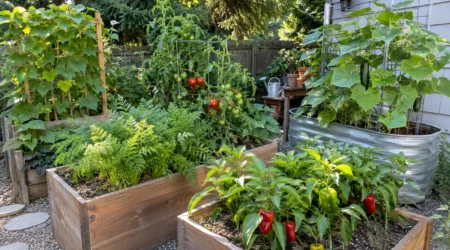
11 Best Vegetables for Deep Planters: Complete Soil Depth Guide
The best vegetables for deep planters are carrots, parsnips, daikon radishes, potatoes, sweet potatoes, tomatoes, cucumbers, peppers, eggplants, zucchini, and pole beans. Most benefit from approximately 12–24 inches of usable growing mix, although the right depth depends on variety, container...
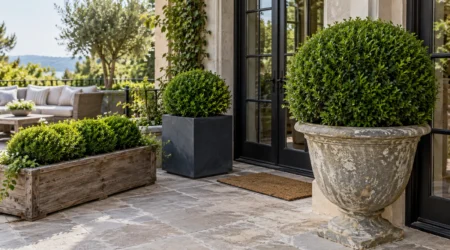
Boxwood Planter Ideas
Boxwood planter ideas bring year-round greenery to front doors, patios, courtyards, and garden pathways. These evergreen shrubs grow well in outdoor containers when they have enough root space, a free-draining growing medium, and consistent moisture. Choose compact varieties suited to...
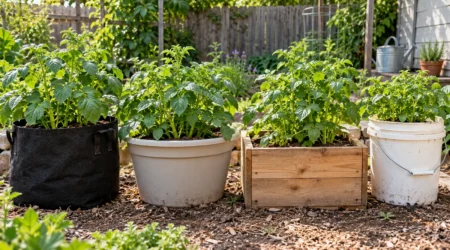
Potato Planter Ideas: 15 Easy Containers and DIY Growing Tips
Potato planter ideas range from fabric grow bags and large plastic pots to wooden boxes and homemade bucket planters. For most beginners, a wide, opaque 10–15-gallon (38–57-liter) container with drainage, loose potting mix, and six to eight hours of sunshine...