

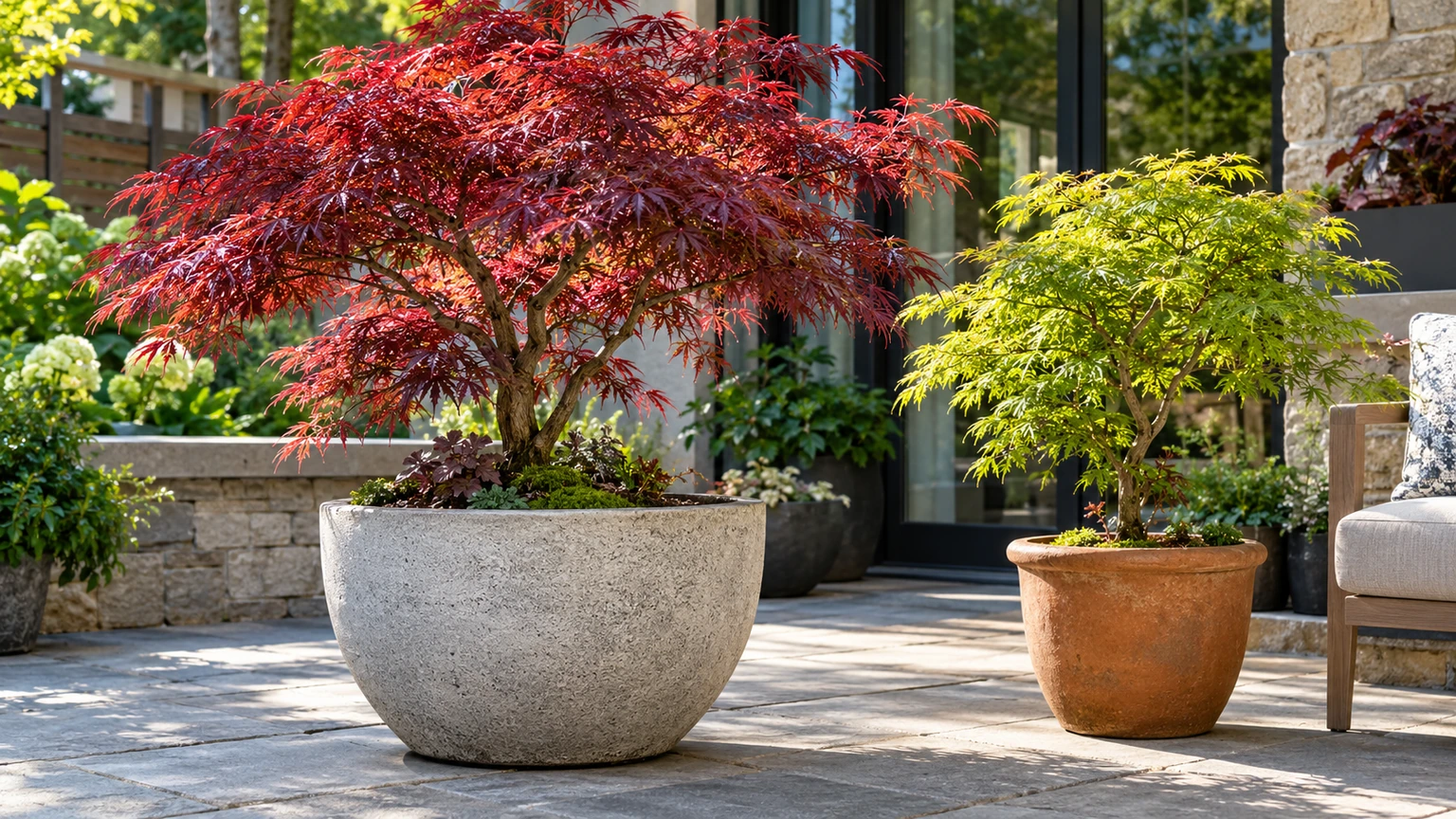
Japanese maple planter ideas can turn an ordinary patio, balcony, or courtyard into a garden focal point. Japanese maples (Acer palmatum) grow well in containers when their roots have drainage, consistent moisture, and protection from extreme sun and cold. The best displays match a compact cultivar with a properly sized pot, rather than choosing appearance alone.
Explore 21 designs, cultivar choices, and practical container care.
Which Modern Japanese Maple Planter Ideas Work Best?
Modern designs use clean shapes and color contrast: red leaves against charcoal or white, green leaves against stone or blue ceramics. Keep the canopy central.
Consider mature spread and summer heat. Dark pots absorb warmth, while reflective walls intensify exposure. Prioritize drainage.
1. Matte Black Ceramic Planter
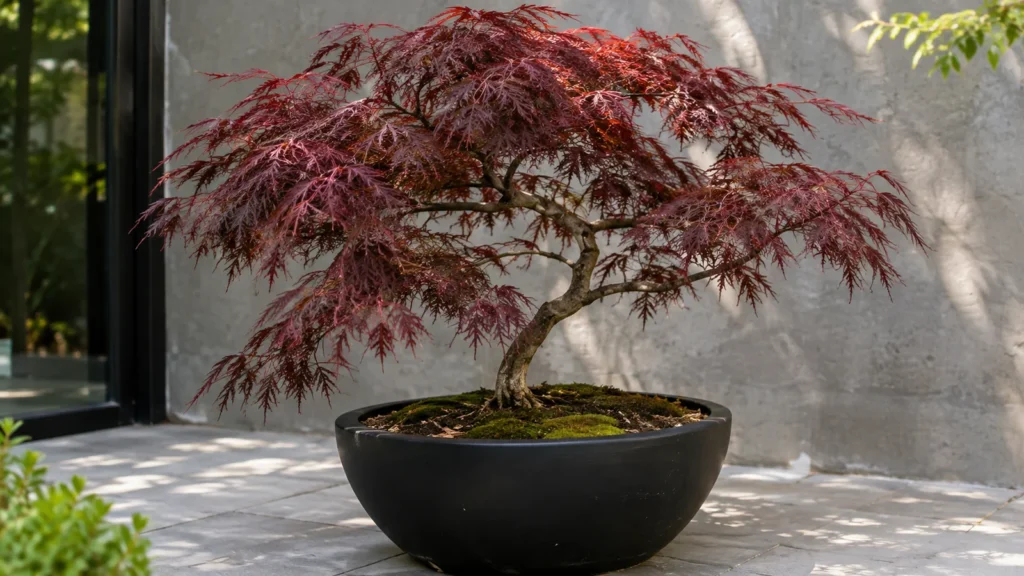
Pair a red laceleaf maple with a broad charcoal planter and pale paving. The dark surface emphasizes delicate leaves. Choose enough width for a cascading canopy and protect roots from intense afternoon sun.
2. White Minimalist Container
A matte white container makes burgundy leaves stand out on contemporary terraces. Choose a rounded or clean-sided shape without heavy ornament. White pots absorb less solar heat, but bright paving can still reflect damaging sunlight.
3. Blue Glazed Ceramic Pot
Muted cobalt, slate blue, or teal ceramics complement green-leaved Japanese maples. Try a compact ‘Mikawa-yatsubusa’ with its densely layered leaves. Glazing limits evaporation through pot walls; check compost before watering.
4. Natural Slate-Effect Planter
A lightweight slate-effect container offers understated texture beside modern decking or gravel. Rectangular forms suit compact upright trees; rounded forms flatter spreading cultivars. Check interior dimensions; thick walls reduce root space.
Which Rustic Japanese Maple Planter Ideas Suit Gardens?
Terracotta, stone, timber, and gravel emphasize natural branching in cottage gardens and Japanese-inspired courtyards.
Timber can rot, terracotta may crack in frost, and stone is difficult to move. Allow access for watering.
5. Weathered Terracotta Pot
Use a broad, frost-resistant terracotta pot with a green or multicolored maple. Its warm color complements autumn foliage and old brick patios. Porous clay dries quickly; monitor compost during heat and wind.
6. Japanese-Inspired Stone and Gravel
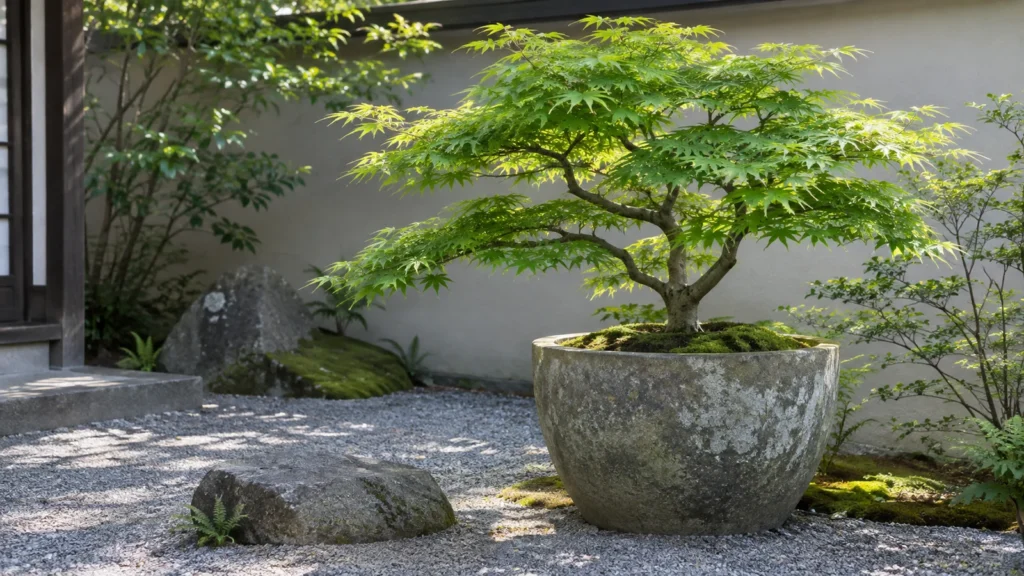
Set a compact maple in a simple stone planter within a gravel garden. Position a few larger rocks asymmetrically around the outside rather than crowding the growing medium. Keep the canopy unobstructed for a balanced composition.
7. Recycled Half-Barrel
A sound wooden half-barrel suits informal seating areas and cottage-style planting. Add drainage holes and sturdy support beneath the base. Inspect staves for rot before moving an established tree.
8. Decorative Garden Urn
Choose a wide-mouth urn for a naturally cascading maple, allowing its branches to soften the rim. Avoid narrow-necked containers that trap an expanding root ball. A heavy base helps resist wind.
Which Japanese Maple Planter Ideas Fit Small Spaces?
Plan for mature width. Compact upright trees suit spaces where laceleaf cultivars spread too far. Preserve access for maintenance.
Balconies create weight and wind risks. Check permitted loads, including wet compost, before installation.
9. Dwarf Maple in a Courtyard Corner
Use ‘Beni-maiko’ or another compact selection to soften a plain courtyard corner. Leave clearance from surrounding walls as branches expand. East-facing corners offer morning light without intense afternoon heat.
10. Lightweight Balcony Planter
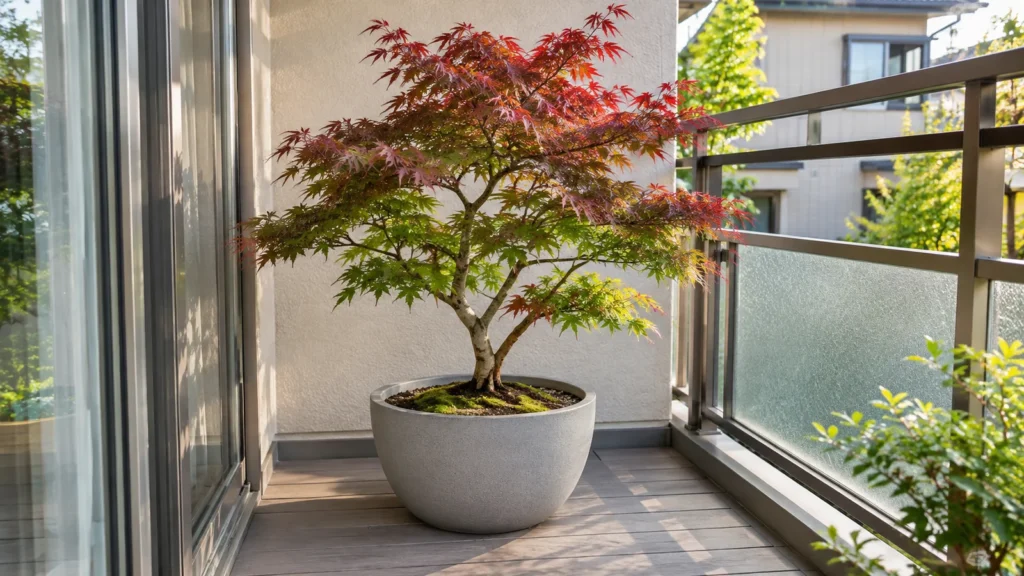
Select a stable fiberglass or quality resin container for a small dwarf maple. Choose a broad footprint rather than a tall, narrow pot. Secure against wind and avoid foliage rubbing railings.
11. Paired Entrance Planters
Frame a generous entrance with two similar compact upright maples in matching containers. Give both comparable light and moisture for balanced growth. For narrow entrances, use one off-center feature pot.
12. Tall Tapered Entrance Pot
A tapered planter raises a young upright maple above surrounding paving, creating height without a planting bed. Select a genuinely stable base and enough internal root depth. Avoid tall shells concealing poorly drained nursery pots.
Which Japanese Maple Planter Ideas Pair With Plants?
Hostas offer broad leaves, ferns soft texture, and heucheras colorful foliage. Keep companions in separate pots.
Coordinate pot colors and varied heights, matching every plant to available light.
13. Maple With Hostas and Ferns
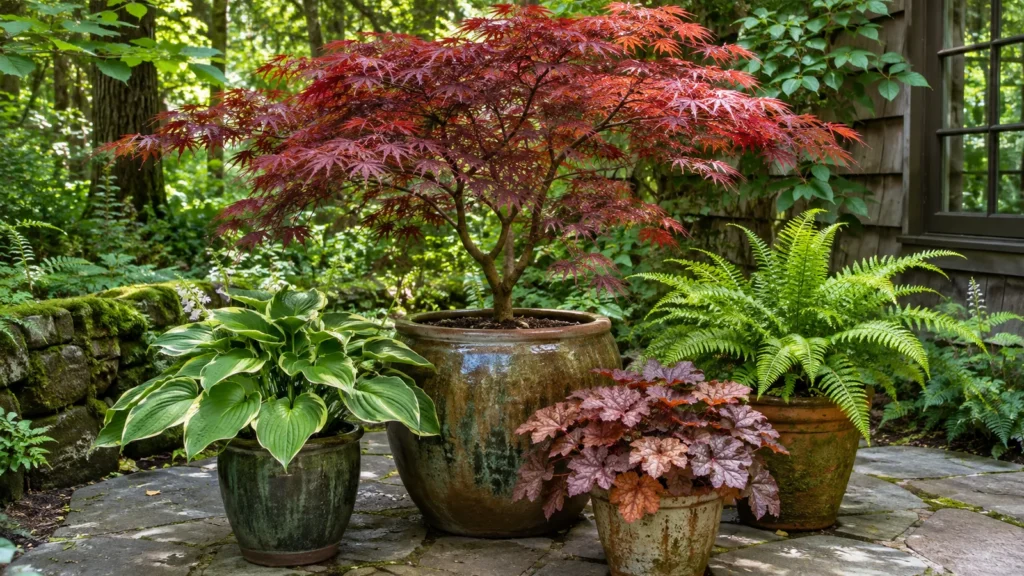
Set a red Japanese maple behind low pots of hostas and ferns. Their foliage highlights the maple’s fine canopy. In warm regions, provide shade and watering access.
14. Maple With Hydrangeas
Use separate hydrangea planters beside a green or red maple for summer flowers and autumn foliage interest. White or soft blue blooms create gentle contrast. Choose shade-suitable hydrangeas and water their pots separately.
15. Tiered Container Grouping
Place one maple in the largest container, then group smaller foliage plants on sturdy, low stands. Repeat a few container finishes; keep stands separate for easy root inspection.
16. Bamboo-Screen Backdrop
Position a maple in front of a bamboo-style privacy screen to contrast fine branches with straight vertical lines. Leave airflow and expansion space behind the canopy. Contain living bamboo roots separately.
Which Creative Japanese Maple Planter Ideas Stand Out?
DIY timber, stone, and seasonal accents should showcase the tree without blocking drainage.
Plan future repotting with accessible drains, removable pots, or replaceable panels.
17. DIY Cedar Planter Box
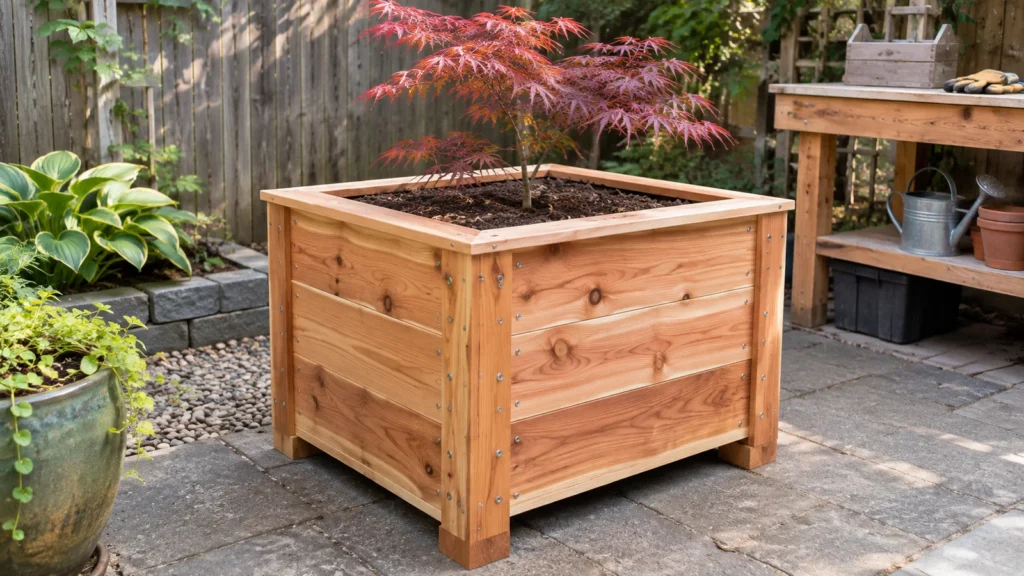
Build a wide, sturdy box with exterior-grade fasteners and unobstructed drainage. Raise it on small feet to keep the base out of standing water. A removable side simplifies root work; avoid sealed liners.
18. Rectangular Courtyard Trough
Use a broad trough along a patio wall, with one compact maple as the feature. Avoid tightly planting multiple trees simply because the container is long. Prioritize root volume over paving-space measurements.
19. Pebble-Framed Planter
Surround a neutral pot with pale or dark pebbles to connect it visually to a gravel garden. Keep pebbles outside the drainage openings. Use organic mulch inside instead of thick decorative stones.
20. Cascading Maple in a Broad Bowl
Display ‘Crimson Queen’ or ‘Red Dragon’ in a broad bowl deep enough for its roots. Leave room for branches to cascade naturally. Reserve very shallow bowls for trained bonsai.
21. Four-Season Patio Display
Surround a single maple with movable evergreen pots and simple seasonal accessories. Spring leaves, summer texture, autumn color, and bare winter branches each provide a different focal point. Change accessories without disturbing roots.
Which Japanese Maple Varieties Grow Best in Pots?
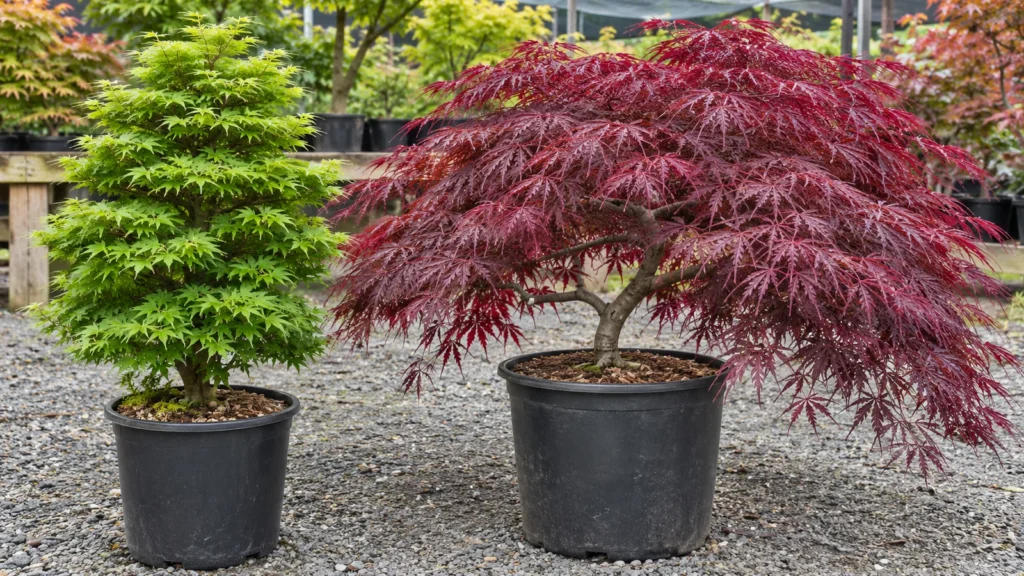
The best Japanese maple for pots is usually one that naturally fits the available space. ‘Mikawa-yatsubusa’ and ‘Beni-maiko’ remain compact; ‘Crimson Queen’ and ‘Red Dragon’ develop arching or cascading shapes that need greater width. A dwarf label describes growth habit, not permission to keep a tree root-bound indefinitely. For a small patio, prioritize a cultivar’s expected spread over its nursery-pot height.
Different varieties also offer different visual effects. ‘Orange Dream’ has lighter seasonal foliage but becomes larger than many patio gardeners expect. Ask a nursery for the cultivar’s likely mature spread and whether the specimen is grafted; grafted trees should not be buried above their original planting depth.
| Cultivar | Approximate mature height | Main attraction | Best use |
|---|---|---|---|
| ‘Mikawa-yatsubusa’ | 1–1.5 m | Dense layered green leaves | Small containers |
| ‘Beni-maiko’ | 1–1.5 m | Red spring growth | Entrances |
| ‘Crimson Queen’ | 1.5–2.5 m | Arching purple-red foliage | Wide pots |
| ‘Red Dragon’ | 1.5–2.5 m | Cascading red leaves | Feature bowls |
| ‘Orange Dream’ | 2.5–4 m | Gold-to-orange seasonal color | Larger patios |
These are approximate landscape dimensions from RHS cultivar profiles, not promised container sizes. Growth depends on conditions and pruning. Compact varieties usually need less pruning. ‘Prettiest,’ fastest-growing, and most expensive are subjective or market-dependent distinctions; compare verified mature size, form, and plant quality instead.
What Pots and Soil Do Japanese Maples Need?
Choose a pot that houses the existing root ball comfortably and permits gradual growth. RHS guidance recommends potting trees up in stages rather than placing a small specimen straight into a huge container; about 45 cm (18 inches) is a useful eventual minimum for many container trees, not a compulsory starting size. A wide, stable pot helps prevent tipping. Measure the root ball before shopping, and choose a container that leaves modest room for fresh compost rather than excessive unused volume.
Good potting compost should retain moisture while allowing excess water and air to move through the root zone. The RHS suggests peat-free John Innes No. 2 or peat-free ericaceous compost with horticultural sharp sand for drainage. Elsewhere, use a quality moisture-retentive, free-draining container mix. Ordinary heavy garden soil often compacts too tightly. When choosing between products, prioritize clearly stated container use, drainage performance, and locally available ingredients rather than assuming that every acid-loving plant mix is automatically superior.
| Container | Strength | Watch for |
|---|---|---|
| Terracotta | Natural appearance and stability | Fast drying; frost cracks |
| Glazed ceramic | Decorative finish | Weight; drainage |
| Stone | Long-lasting focal point | Difficult movement |
| Fiberglass/resin | Lower weight | UV quality; stability |
| Wood | Custom dimensions | Decay and base strength |
Avoid bottom gravel layers as a drainage fix. Keep drainage holes open and choose a wide enough opening for later removal. For pots sold online, confirm interior measurements, frost rating, and returns policy.
How Do You Plant a Japanese Maple in a Pot?
Plant during a cooler, manageable season when the tree is not struggling with heat or frost. In temperate Northern Hemisphere gardens, autumn or early spring often works well; reverse the calendar for the Southern Hemisphere. Avoid transplanting during an extreme heatwave. A healthy nursery specimen should have flexible twigs, balanced branching, and a root ball that is neither bone-dry nor severely congested.
Prepare the container before removing the tree from its nursery pot. If roots circle densely, loosen manageable outer roots gently instead of tearing them apart. Plant at the previous depth, keeping the root flare and graft union unobscured. A maple planted too deeply may decline even when its leaves initially look healthy.
- Check that the pot drains freely and stands securely.
- Add enough slightly damp compost to support the root ball.
- Position the maple upright at its existing soil level.
- Backfill gently without packing compost hard against roots.
- Water thoroughly and allow excess water to escape.
- Add a light mulch, leaving space around the trunk.
- Move the pot into shelter while roots adjust.
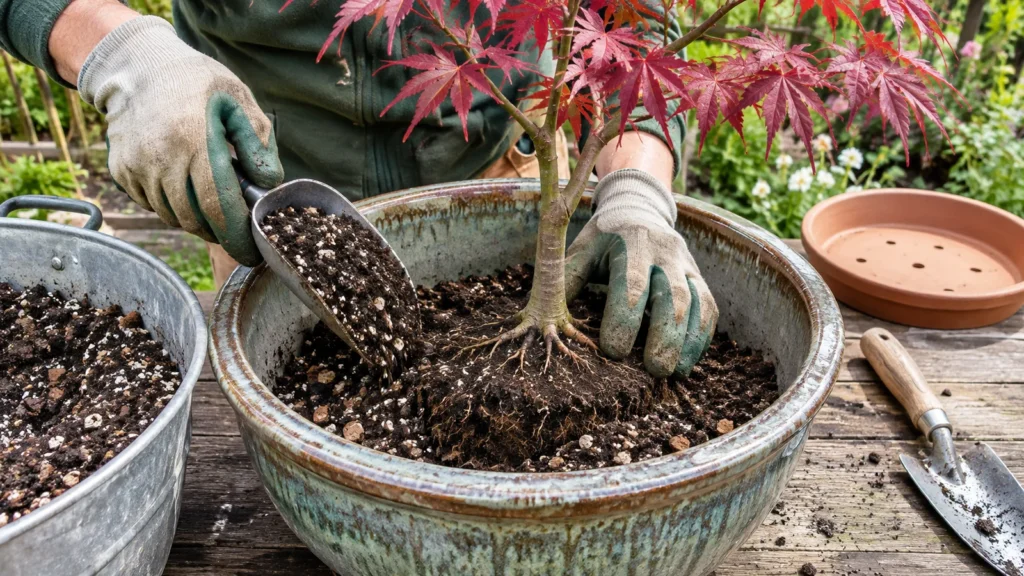
For DIY boxes, test drainage before planting. Once filled, a large container can be too heavy to reposition easily. Water once after filling and check that runoff escapes instead of pooling beneath the tree.
Where Should a Japanese Maple Planter Go?
Place Japanese maples outdoors in a sheltered position with morning sun or bright, filtered light. Many tolerate some full sun in mild regions, but scorching summer light, drying winds, and heat reflected from masonry can burn delicate foliage. Red cultivars often need some light to maintain color; dense shade may make their leaves greener.
In hot climates, prioritize afternoon protection, a larger moisture-buffering pot, and wind shelter. In cold climates, avoid sites where freezing winds strike emerging leaves. Move containers when needed rather than assuming every full-sun recommendation applies equally from Britain to warmer international locations.
Location checklist:
- Patio: Keep clear of west-facing heat-trapping walls.
- Balcony: Check weight limits and wind exposure.
- Courtyard: Provide air circulation and canopy clearance.
- Entrance: Avoid repeated knocks from doors or passing people.
- Winter: Keep roots protected without warming the tree indoors.
Japanese maples are deciduous outdoor trees, not permanent heated-house plants. They need a natural dormant period. A cool unheated shelter may protect a dormant container temporarily during severe winter conditions, but normal living-room temperatures are unsuitable.
How Should You Water and Feed Potted Maples?
Keep compost evenly moist but not waterlogged. Check just below the surface rather than watering automatically each morning. Small pots, terracotta, wind, and summer heat can increase demand dramatically; established containers may need daily watering during heatwaves. New plantings deserve closer monitoring because the original root ball can dry faster than surrounding fresh compost.
Water slowly until liquid runs from the drainage openings, then let the pot empty. If the compost remains wet for days and leaves droop, inspect drainage and roots before adding more water. A surface layer of composted bark can reduce evaporation; keep it away from direct contact with the trunk.
Simple seasonal routine:
- Spring: Check moisture frequently as buds open; feed lightly if needed.
- Summer: Inspect daily in extreme heat; water according to actual dryness.
- Autumn: Reduce watering as foliage drops and temperatures fall.
- Winter: Keep compost from fully drying, but avoid saturated roots.
A balanced general-purpose granular fertilizer in late spring can benefit a tree kept in the same compost for over a year. Avoid heavy nitrogen feeding. Coffee grounds are not a dependable soil-acidifying treatment; compost them appropriately instead of piling them around the trunk.
How Do You Prune, Repot, and Protect Maples?
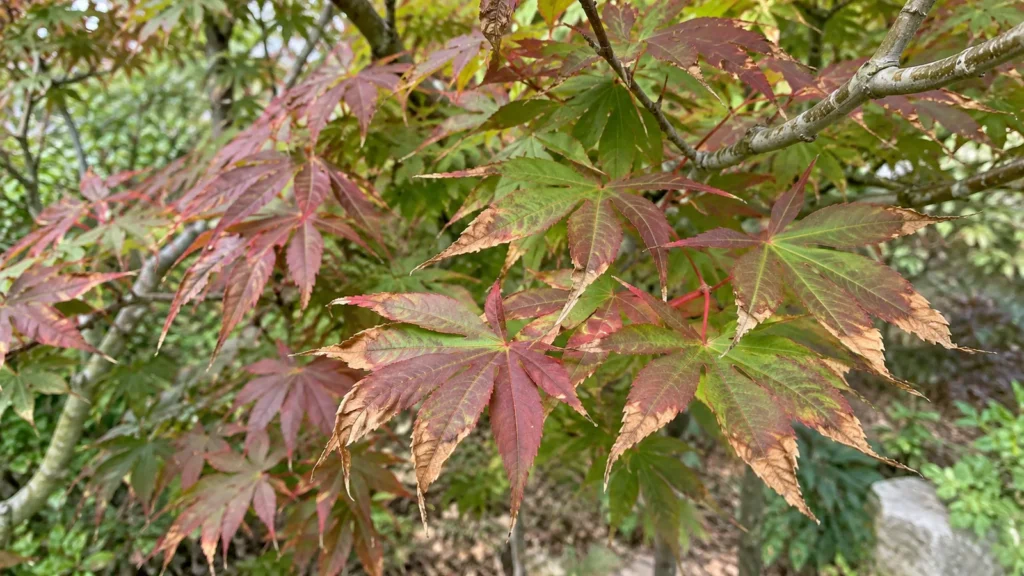
Choose a naturally small cultivar to keep a Japanese maple compact. Most trees need only occasional removal of dead, crossing, or badly positioned branches. If height must be reduced, follow a long branch back to a suitable side branch rather than shearing the top flat. Preserve the natural upright or weeping form.
The RHS recommends limited pruning, generally between July and January, with cultivar-specific guidance sometimes favoring late autumn to midwinter. Repot about every couple of years when roots fill the available compost, moving up only slightly in size. Long-established specimens may need careful root pruning and fresh growing medium.
Long-term maintenance priorities:
- Inspect circling roots and blocked drainage during repotting.
- Protect pot walls from severe freezes with insulation or shelter.
- Group containers together to reduce cold exposure.
- Keep dormant compost slightly moist, not saturated.
- Ask a specialist before severe root pruning on a valuable specimen.
Japanese maples may take 5–20 years or more to approach their listed size, depending on cultivar. They can live for many decades with appropriate care, but no fixed container lifespan applies. Faster growth is best supported by healthy roots, suitable light, and steady moisture—not excessive fertilizer.
What Problems Affect Japanese Maples in Pots?
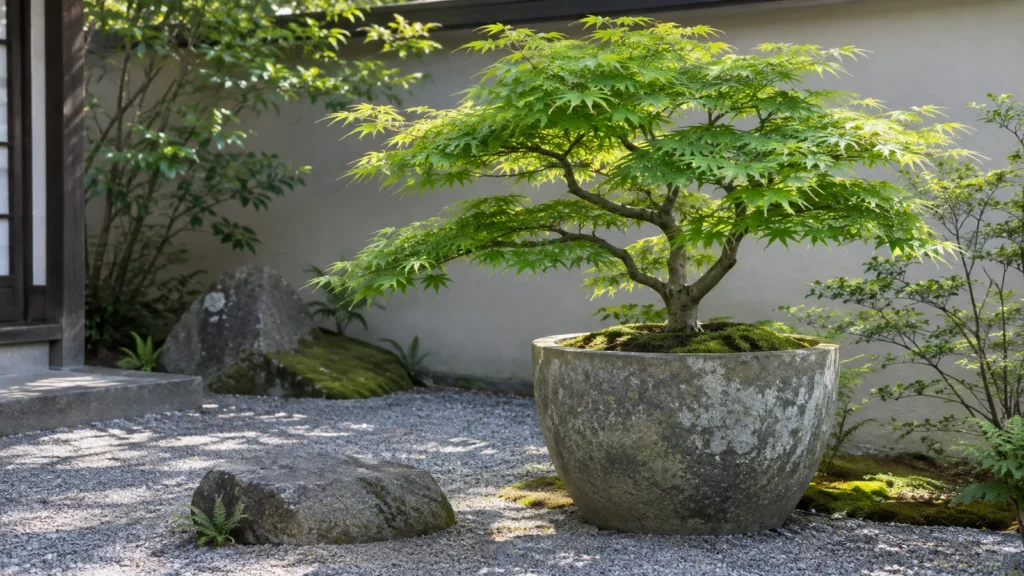
Brown leaf margins are often caused by environmental leaf scorch, not necessarily disease. Heat, sun, drought, wind, frozen roots, and even waterlogging can prevent the canopy from receiving sufficient water. Check moisture and exposure together before deciding what to change. Severely restricted roots may also cause a tree to decline despite frequent watering.
The principal downsides of container growing are restricted root volume, summer drying, winter root exposure, and periodic repotting. These demands can be manageable in a shaded courtyard but difficult on an exposed rooftop. A larger pot is not automatically the answer if its drainage is poor or the tree is already sitting in saturated compost. If leaves brown repeatedly despite careful watering, compare sun and wind exposure before spending money on a new planter.
| Symptom | First checks | Sensible response |
|---|---|---|
| Brown, crispy leaf edges | Heat, wind, root moisture | Improve shelter and watering |
| Wilting in wet compost | Blocked drainage, damaged roots | Inspect root zone |
| Weak new growth | Root crowding, light, nutrition | Diagnose before feeding |
| Loss of red color | Deep shade, seasonal change | Review light and cultivar |
| Sudden branch dieback | Roots, pests, possible disease | Seek professional diagnosis |
Japanese maples may also encounter scale insects, vine weevil larvae, and fungal diseases. Persistent dieback warrants a local horticultural diagnosis. Inspect the affected branches and roots before applying any treatment, particularly when a single branch suddenly wilts. Avoid assuming every symptom needs fertilizer, pesticide, or extra water.
Frequently Asked Questions
Can Japanese maples live permanently in planters?
Yes. Compact Japanese maples can live in pots for many years if drainage, root space, moisture, and winter protection remain suitable. Expect periodic repotting or root maintenance.
Which dwarf Japanese maple is best for pots?
‘Mikawa-yatsubusa’ is excellent for very small displays. ‘Beni-maiko’ suits compact upright arrangements, while ‘Crimson Queen’ works where a wider cascading canopy has room.
Does a Japanese maple like full sun or shade?
Most prefer bright, sheltered locations with some shade. Full sun may work in mild climates, but hot afternoon exposure increases leaf scorch risk.
Should I water my potted Japanese maple daily?
Only when conditions justify it. Check the compost regularly; heatwaves may require daily watering, while cooler weather usually requires less.
What should I put beneath a Japanese maple?
Use well-draining compost and a modest layer of organic mulch, leaving the trunk clear. Avoid gravel layers at the bottom or dense root-competing underplanting.
Can Japanese maples grow indoors?
Not as permanent heated-house plants. They are outdoor deciduous trees requiring seasonal dormancy, although cool winter shelter may sometimes protect container roots.
What month should I plant a Japanese maple?
Choose a cool, non-extreme period, usually autumn or early spring in temperate climates. Adapt timing to local seasons and avoid heatwaves.
How do I keep a Japanese maple small?
Select a dwarf cultivar first. Use a suitable container and prune individual unwanted branches sparingly; repeated hard cutting rarely creates an attractive tree.
Do coffee grounds help Japanese maples?
Coffee grounds do not reliably acidify compost. Use appropriate potting mix and fertilizer rather than spreading thick layers of grounds around roots.
How long does a Japanese maple live?
Japanese maples can live for many decades in suitable conditions. Lifespan in pots depends on root care, moisture, climate, and maintenance rather than a fixed number.
Which Japanese Maple Planter Idea Should You Choose?
For a tiny patio, start with ‘Mikawa-yatsubusa’ in a stable, sheltered pot. Choose ‘Red Dragon’ or ‘Crimson Queen’ for a broad cascading feature, or use matching compact upright trees for a spacious entrance. Rustic terracotta, modern ceramic, and DIY timber can all work when drainage and durability are right.
The most successful Japanese maple planter ideas balance mature canopy size, root health, and real-world maintenance. Select the cultivar before the container, protect it from extreme exposure, and let its natural form shape the design.
Myra is the founder and lead writer of Backyard Planter Ideas, where she shares practical, well-researched guidance on planter design, plant selection, and outdoor styling. Her goal is to help homeowners create attractive, functional garden spaces with clear, reliable, and easy-to-apply advice.
Blueberry Planter Ideas: Best Pots, Soil, and Growing Tips
The best blueberry planter ideas use spacious containers, acidic potting mix, and varieties suited to local weather. Wooden barrels, large patio pots, raised troughs, and compact balcony planters can all work. Aim for soil pH 4.5–5.5, steady moisture, and ample...
Hosta Planter Ideas: 21 Beautiful Designs for Shady Spaces
Hosta planter ideas can turn shaded patios, porches, balconies, and garden corners into striking foliage displays. Hostas grow successfully in containers when they have drainage holes, moisture-retentive potting mix, adequate root space, and protection from harsh afternoon sun. The best...
Geranium Planter Ideas: 15 Beautiful Designs and Growing Tips
Geranium planter ideas can brighten patios, balconies, porches, and window boxes with relatively little equipment. Choose upright zonal geraniums for bold flower clusters, trailing varieties for baskets, and companion plants with matching sunlight and moisture needs. The best results come...
Fig Tree Planter Ideas
The best fig tree planter ideas balance appearance with drainage, root space, and sunlight. Terracotta pots, wooden half-barrels, glazed ceramic containers, and lightweight resin planters all accommodate edible figs. Established trees generally benefit from around 15 gallons (57 liters) of...
Begonia Planter Ideas: 15 Beautiful Combinations for Every Space
Begonia planter ideas work best when flower color, foliage, container size, and light requirements fit together. Choose wax begonias for compact outdoor displays, trailing varieties for hanging baskets, or Rex begonias for striking indoor leaves. Combine compatible plants in well-drained...
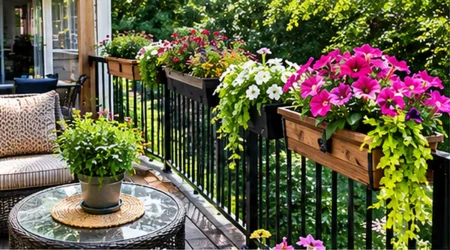
Railing Planter Ideas: Best Designs, Plants, and DIY Tips
Railing planter ideas make balconies, decks, and porches greener without sacrificing floor space. The best choices are securely fitted saddle planters, bracket-mounted flower boxes, and hanging baskets planted with compact flowers, herbs, or strawberries. Match the container to your railing,...
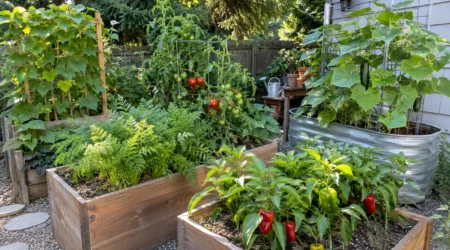
11 Best Vegetables for Deep Planters: Complete Soil Depth Guide
The best vegetables for deep planters are carrots, parsnips, daikon radishes, potatoes, sweet potatoes, tomatoes, cucumbers, peppers, eggplants, zucchini, and pole beans. Most benefit from approximately 12–24 inches of usable growing mix, although the right depth depends on variety, container...
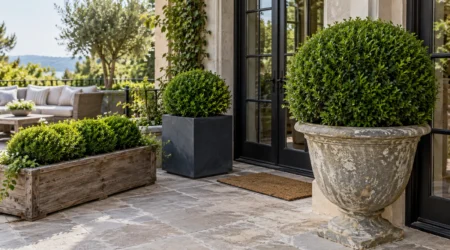
Boxwood Planter Ideas
Boxwood planter ideas bring year-round greenery to front doors, patios, courtyards, and garden pathways. These evergreen shrubs grow well in outdoor containers when they have enough root space, a free-draining growing medium, and consistent moisture. Choose compact varieties suited to...
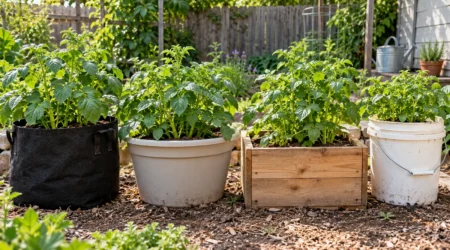
Potato Planter Ideas: 15 Easy Containers and DIY Growing Tips
Potato planter ideas range from fabric grow bags and large plastic pots to wooden boxes and homemade bucket planters. For most beginners, a wide, opaque 10–15-gallon (38–57-liter) container with drainage, loose potting mix, and six to eight hours of sunshine...
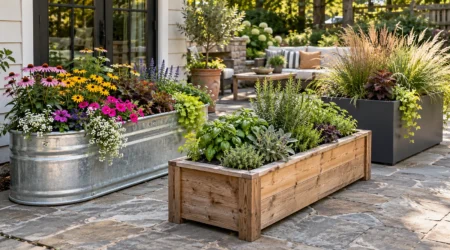
25 Trough Planter Ideas for Beautiful Outdoor Spaces in 2026
Trough planter ideas turn patios, balconies, fences, and small backyards into productive, attractive gardens. The best designs pair a long, suitable container with plants that share similar light, moisture, and root-space needs. Wooden herb boxes, galvanized flower troughs, evergreen displays,...